MEDIA RELEASE
Optus Stadium and 100 other well-known buildings and landmarks across WA and Australia will turn red from tonight until 7 June, shining a light on an extremely common genetic condition that most people have never heard of.
It is part of a worldwide initiative to raise awareness of haemochromatosis – also known as iron overload – and to prompt people to get tested. Most people know that having too little iron in your body can cause anaemia, which is characterised by tiredness and lethargy, but few people know that the same symptoms can also be caused by having too much iron.
The hereditary condition, which is passed on from both biological parents, is simple to detect and treat but if undiagnosed or ignored can lead to serious and life-threatening illness, including liver disease and diabetes. One in seven Australians carry one copy of the defective gene, while and one in 200 Australians have two copies, which puts them at high risk of developing the condition.
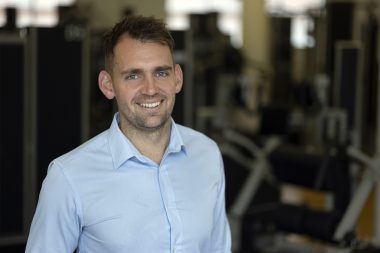
Dr Dan Johnstone, an iron researcher who also has the condition, says early detection is key to minimising or preventing permanent damage. “Awareness of haemochromatosis is more important now than ever as early diagnosis will help save lives, cut health costs and reduce unnecessary suffering for so many individuals and families. Everybody is different; some people will have early symptoms of fatigue or joint aches while others won’t know they have the condition until the damage is already done. Anyone who suspects they may have this condition should ask their GP for a blood test. Haemochromatosis is not a burden in your life if you get on to it early. Early diagnosis is key to managing and reducing complications. It is usually managed by a regime of therapeutic blood donations, at an Australian Red Cross Lifeblood donor centre. This is a classic win-win situation, benefiting both the individual and the community,” said Dr Johnstone.
Haemochromatosis Australia spokesperson, Tony Moorhead, said, “Despite being the most common genetic disorder in Australia, haemochromatosis is often underdiagnosed because people don’t know about it and symptoms are non-specific. Unfortunately, most of those affected aren’t diagnosed until aged in their mid-forties and already suffering ill health. “There are people with the condition who should have been diagnosed decades earlier. This would have reduced the suffering, medical cost and even loss of life that results from iron overload. If haemochromatosis is detected early enough it is completely preventable – those affected need never get sick, they simply need to donate blood to maintain normal iron levels and their health.” Mr Moorhead says. “Hereditary haemochromatosis is estimated to cost Australia’s health system about $280 million annually and to add further cost burdens by compounding other chronic conditions.” Haemochromatosis is easy to test, simple to treat but tragic to ignore. -
ENDS Landmarks lighting up can be found here: www.ha.org.au/whats-on/world-haemochromatosis-week/lighten-the-overload/
Key Facts:
* Australia's most common genetic disorder, that most have never heard of
* World Haemochromatosis Awareness Week June 1 - 7
*Interviews available
* Landmarks lighting up in red can be found here: www.ha.org.au/whats-on/world-haemochromatosis-week/lighten-the-overload/
About us:
To find out more visit www.ha.org.au/haemochromatosis
Contact details:
Kellie Curtain M: 0412339690 [email protected]