Next week is Sleep Health Week (25 September - 1 October) and this year’s theme is Better Sleep. Better Health.
The Turner Institute for Brain and Mental Health and the Monash University School of Psychological Sciences will host two Sleep Health Week events in partnership with the Sleep Health Foundation. Both will focus on equipping Australians with the knowledge and tools to improve their sleep health, and the benefits for overall health, productivity and relationships.
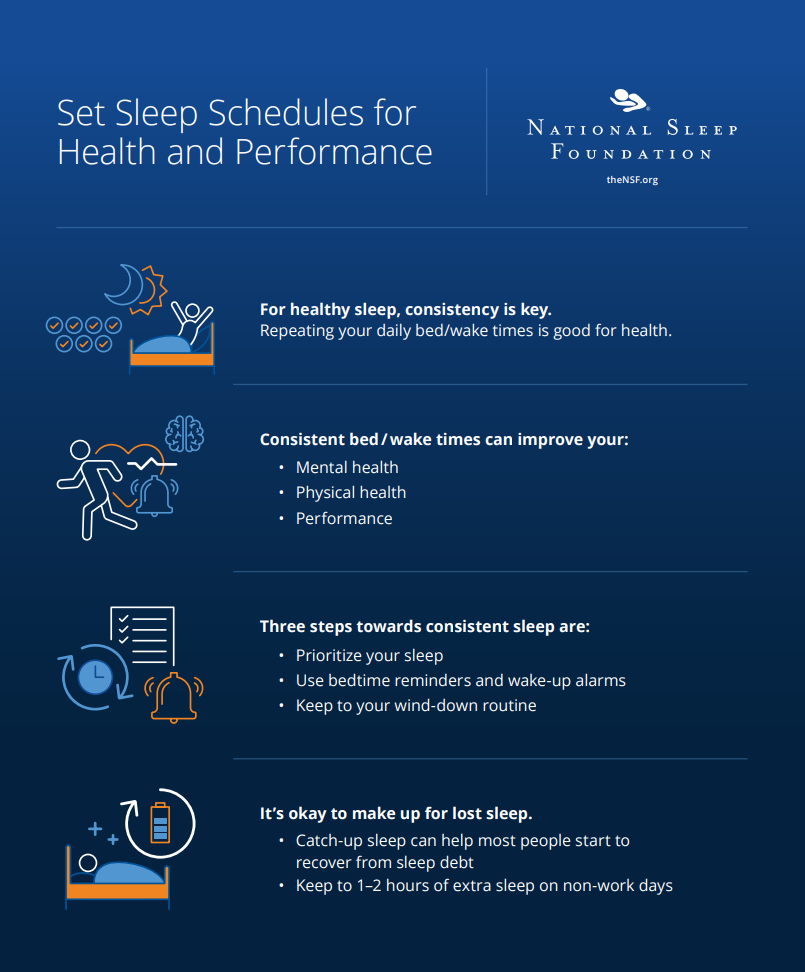
An international advisory committee, led by Dr Tracey Sletten, from the Monash School of Psychological Sciences and the Turner Institute for Brain and Mental Health, has also provided new US National Sleep Foundation guidelines (see below) outlining the importance of consistency in sleep timing for health and performance, while supporting a “weekend sleep-in” on non-work days if you have a sleep debt.
Available to comment:
Professor Shantha Rajaratnam, Head, School of Psychological Sciences,
Deputy Director, Turner Institute for Brain and Mental Health, Chair, Sleep Health Foundation
Contact details: +61 3 9905 3934 or shantha.rajaratnam@monash.edu
- Circadian rhythm disorders
- Melatonin sleep and circadian rhythm
- Shift work
- Light and circadian rhythms
The following can be attributed to Professor Rajaratnam:
“The modern world is becoming increasingly fast-paced, stressed and distracted. Healthy sleep is critical and an important part of protecting our brain health in modern society. The discovery 40 years ago that melatonin synchronises the central circadian clock has led to profound changes in the way circadian disorders are managed in the clinic.”
Dr Tracey Sletten, Senior Lecturer, Psychology, Turner Institute for Brain and Mental Health
Contact details: +61 0 423 935 667, or tracey.sletten@monash.edu
Read more of Dr Sletten’s commentary at Monash Lens
- The importance of sleep irregularity for health and performance
- The impacts of and interventions for shift work
- Light and circadian rhythms
The following can be attributed to Dr Sletten:
“Consistent timing of bedtimes and wake times are associated with improved outcomes across multiple dimensions of health and performance - including alertness, cardiovascular and metabolic health, inflammation and mental health.”
Professor Sean P.A. Drummond, Director of Research Programs and Infrastructure, Monash School of Psychological Sciences and Past President, Sleep Research Society
Contact details: +61 (0) 423 500 609 sean.drummond@monash.edu
Read more of Professor Drummond’s commentary at Monash Lens and see more about his research on his lab webpage.
- Insomnia, assessment and treatment
- Sleep and mental health (especially PTSD, depression, anxiety)
- Impact of sleep deprivation on cognition
- Sleep and couples
The following can be attributed to Professor Drummond:
“Sleep and mental health can negatively impact each other, although the effects of sleep on mental health appear stronger than the other way around. Posttraumatic stress disorder is a perfect example.
“Sleep problems (especially insomnia and obstructive sleep apnoea) prior to or immediately after experiencing a trauma increase the risk of PTSD up to three times more. Sleep problems also appear to exacerbate PTSD symptoms and interfere with treatment. Fortunately, there are strong evidence-based interventions for sleep problems in PTSD.”
Dr Jade Murray, Postdoctoral Research Fellow, School of Psychological Sciences
Contact details: +61 0 402 708 121, or jade.murray@monash.edu
- Circadian rhythm disorders (delayed sleep-wake phase disorder, advance sleep-wake phase disorder)
- Health and sleep disruption
- Mental health and sleep and circadian disruption
- Shift work
Adjunct Clinical Associate Professor Moira Junge, Monash University Health Psychologist and CEO of the Sleep Health Foundation. Dr Junge is a practising registered Health Psychologist and the CEO of the Sleep Health Foundation (SHF).
Contact details : +61 402 583 341, email: ceo@sleephealthfoundation.org.au Twitter DM@MoiraJunge
- Sleep Health Foundation’s aims, mission and activities.
- All aspects of public awareness and health promotion of sleep health
- Knowledge and Research translation
- All aspects of psychology and sleep
- All aspects of insomnia
- Evidence-based tips for healthier sleep
- Stigma of help-seeking
- Carers stress/strain and burnout
Upcoming Sleep Health Week events:
Event 1: Turner Institute Czeisler Public Lecture: Sleep Health and Our World Today
Baldino Professor of Sleep Medicine and Director of the Division of Sleep Medicine at Harvard Medical School, Professor Charles Czeisler, will highlight the advances in our understanding of the human circadian system since melatonin’s role in sleep was discovered 40 years ago.
Register here to attend this in-person event on Monday 25 September from 6:00 - 7:00pm AEST at Monash University.
Event 2: CogSleep Presents: Harnessing the Power of Sleep for Healthy Brain Ageing Broadcaster Jon Faine will moderate a panel discussion with CogSleep and other experts aimed at people living with dementia, their carers and anyone interested in healthy brain ageing.
Register here to attend this in-person event on Wednesday 27 September from 6:00 - 8:00pm AEST at Monash University.
The below graphic is derived from advice provided by an international panel of sleep and circadian experts to the US National Sleep Foundation (www.thensf.org).