- Ham is a source of protein and also contains iron
- Eating too much ham can raise your risk of certain cancers
- If choosing ham, go for options lower in salt and fat, and enjoy them occasionally rather than daily
Ham is a popular sandwich filling, and picnics are perfect with prosciutto, but if processed meats are linked with increased health risks – should you bring home the bacon?
Processed and cured meats are classified as discretionary foods under the Australian Dietary Guidelines because they can be high in added salt and saturated fats.
Processed meats including ham, sausages, salami and hot dogs are also classified by the International Agency for Research on Cancer (IARC) as a ‘Group 1 carcinogen’ as research shows eating processed meat causes colorectal cancer.
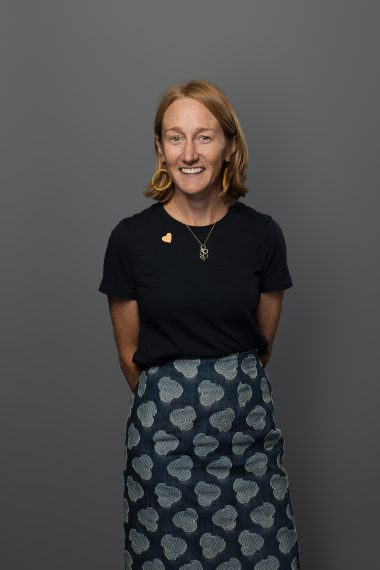
Health and Wellbeing Queensland Public Health Nutritionist and Dietitian Fiona Nave said as a meat, pork can be a healthy choice that is high in protein and rich in vitamins.
'However, when pork is processed into ham it becomes a less healthy choice. That's because ham is made by curing or smoking and the addition of preservatives such as salt and sulphates', Ms Nave said.
'What often gets left out of the conversation is that most foods aren’t eaten in isolation but are part of a meal; a wholemeal bread sandwich made with ham, cheese, and a few vegetables like tomato, lettuce and cucumber can be a filling lunch that provides lots of nutrients our bodies need.
‘But if you are worried about the health impacts associated with a processed food like ham, choose ham that is lower in salt, or swap with other lean proteins like chicken, roast meats or tinned fish, so that you are not eating it every day.'
The Australian Health Survey 2011-12 showed Australian adults eat more than 12 grams of processed meat per day on average, with men eating more than 50 per cent more processed meat than women. Ms Nave noted that studies have shown Australians eat more protein than they need, which can lead to weight gain.
'We know that less than five per cent of Australian kids and adults eat enough vegetables daily. This means that most people’s plates of food at a mealtime are likely to include more meat than needed, which may contribute to weight gain and chronic diseases,’ she said.
'Adding more vegetables into meals, including in sandwiches, is an easy way to balance your plate and is also likely to keep you fuller for longer, and potentially save money at the supermarket.'
About us:
Health and Wellbeing Queensland is the state's prevention agency. For more health and wellbeing news, visit hw.qld.gov.au.
Contact details:
Sarah Motherwell, Senior Media Advisor, Health and Wellbeing Queensland, 0439 599 210 or [email protected]