Rough sleeping has surged in Australia according to a landmark report into homelessness launched today.
Australian Homelessness Monitor 2024 has revealed a 22% increase in people experiencing rough sleeping in the three years to 2023-24, nationwide. In New South Wales, rough sleeping has surged by 51% since 2020, largely driven by an increase in regional communities.
The deepening housing crisis is the major driver of worsening homelessness, with the number of people citing housing affordability stress as the main reason they need homelessness services having increased by 36% in the three years to 2023-24.
The threat of homelessness now looms for a broader swathe of the population, including more employed Australians, the report found, with the proportion of employed persons among those receiving homelessness services having increased from 10.9% to 15.3% over the five years to 2022-23.
Services offering emergency support are struggling, with most homelessness agencies reporting “significantly increased” numbers of people seeking assistance in the past year and a 12% rise in monthly caseloads since 2019-20. Demand for help that exceeds capacity to respond is forcing agencies to cut back on help in preventing - as opposed to relieving - homelessness.
Intensifying rental market pressure that makes it harder to find people new homes has also caused the average duration of agency support for clients to balloon, rising 44% in the five years to 2022-23. More than three-quarters of homelessness services (77%) found it significantly harder to secure housing for clients in mid-2024 compared to the previous year.
People are undergoing harsher experiences of homelessness before gaining support. The number of new clients who were already homeless before seeking support increased 9% over three years 2023-24, and now exceeds 10,000 per month.
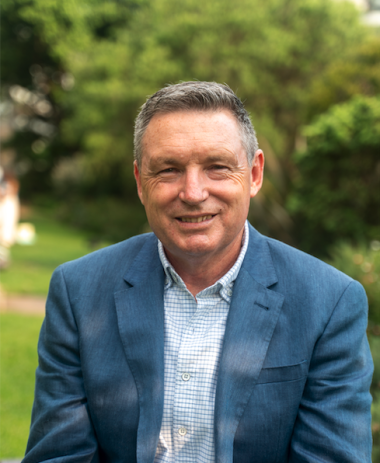
“Rental affordability stress has deepened to such a degree that more people are being forced into situations of severe instability and rough sleeping,” Professor of Housing Research at UNSW Sydney and lead report author, Professor Hal Pawson said. “Median rents have increased 51% since the Covid-19 pandemic and there has been only a marginal expansion of social housing.”
“Many support agencies are at a breaking point. Staff are operating in a completely clogged system. People exit support services into the same homelessness they were trying to escape.”
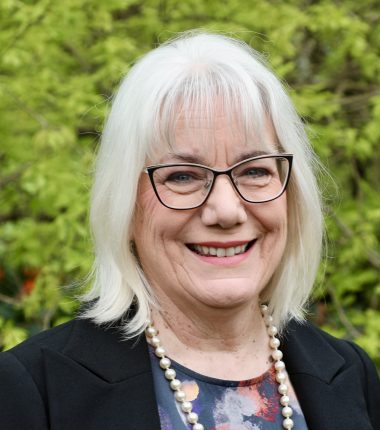
While welcoming Rent Assistance increases and commitments to social housing investment by both federal and state governments, Homelessness Australia CEO Kate Colvin said much more must be done to address what has become a homelessness emergency.
“Homelessness is no longer confined to the most vulnerable. With the housing crisis forcing working families into homelessness, this should be a wake-up call for action,” Colvin said.
“Funding for homelessness services has failed to rise to meet demand and the whole system is buckling under the pressure. Governments need to take immediate action and deliver an emergency homelessness investment so that when people reach out for homelessness support there is someone there to help them.
“We particularly need investment in homelessness prevention so we can stop people becoming homeless in the first place, as well as investment in world renowned Housing First programs to stop people cycling in and out of homelessness.”
Key findings:
- Homelessness providers report a 12% rise in monthly caseloads since 2019-20
- Rough sleeping increased by 22% nationally over the three years to 2023-24, as measured according to the flow of new clients logged by support agencies
- More than three-quarters of homelessness services (77%) found it significantly harder to secure housing for clients in mid-2024 compared to the previous year
- Increased demand for services has resulted in longer support periods, with the median duration of service support rising by 44% in the five years to 2023
- Housing affordability stress as the main driver of homelessness increased by 36% in the three years to 2023-24
- The proportion of employed people accessing homelessness services rose from 10.9% to 15.3% in the five years to 2022-23
- The fastest-growing cohorts within the population affected by homelessness over the past six years have been older people persons aged 55-64 (up by 15%); persons aged 65+ (up by 31%)
MEDIA REQUESTS: Nick Lucchinelli 0422 229 032
Notes on study methods
The underlying research involved a novel analysis of specialist homelessness services data to dissect the flow of newly homeless people being assisted by agencies each month. By comparison with established approaches, this arguably provides a better indication of the incidence of the problem in terms of changes over time.
The research also included:
· In-depth interviews with 18 key stakeholders (government and NGOs) across all eight Australian jurisdictions
· In-depth interviews with council staff and other local stakeholders in three case study LGAs
· Online surveys of 173 specialist homelessness services agencies and 167 councils, nationally
· A policy document and website review on recent homelessness and social housing policy developments