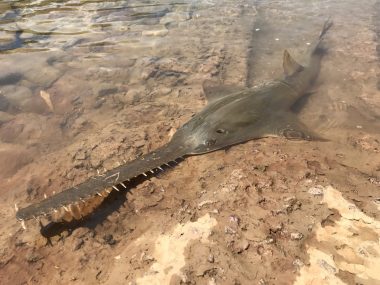
The extreme weather forecast for this week means there is an increased chance of finding a sick, injured or orphaned native animal.
A YouGov poll revealed more than 80% of Australians are willing to stop and help injured wildlife, however only about half of us2 know who to contact for assistance. IFAW (International Fund for Animal Welfare) offers a simple solution.
“If you find an injured native animal that needs help, the free IFAW Wildlife Rescue App will put you in touch with your nearest wildlife rescue organisation who will guide you to the best action to take,” IFAW Animal Rescue Officer Robert Leach said.
“The IFAW app empowers everyday people to protect our wildlife by helping injured animals receive the immediate treatment they need for the best chances of survival, and to be released back into the wild.”
The free IFAW Wildlife Rescue App can be downloaded from Apple’s App store, Google’s playstore or at www.ifaw.org/au/resources/wildlife-rescue-app
-ends-
- All figures, unless otherwise stated, are from YouGov. Total sample size was 1,115 adults. Fieldwork was undertaken between 19th - 22nd September 2024. The survey was carried out online. The figures have been weighted and are representative of all Australian adults (aged 18+).
Key Facts:
- The extreme weather forecast for this week means there is an increased chance of finding a sick, injured or orphaned native animal.
- Most people don't know how to help injured wildlife.
- The free IFAW app will put you in touch with your nearest wildlife rescue organisation.
About us:
About IFAW (International Fund for Animal Welfare) - IFAW is a global non-profit helping animals and people thrive together. We are experts and everyday people, working across seas, oceans and in more than 40 countries around the world. We rescue, rehabilitate and release animals, and we restore and protect their natural habitats. The problems we’re up against are urgent and complicated. To solve them, we match fresh thinking with bold action. We partner with local communities, governments, non-governmental organisations and businesses. Together, we pioneer new and innovative ways to help all species flourish. See how at ifaw.org
IFAW acknowledges the Traditional Custodians of country and their connection to land, waters and culture. We pay our respects to their Elders, past and present.
Contact details:
Jen Walker, IFAW
[email protected]
0460 432 901