MEDIA RELEASE
For Immediate Release
Every day in Australia, 19 women are diagnosed with a gynaecological cancer¹ (including uterine, ovarian, cervical, vaginal and vulvar cancers), and that number is set to rise by 21% over the next decade².
Tragically, more than half of these cancers are rare or less common—leaving women with limited treatment options, less accessible information, and poorer outcomes as a result³.
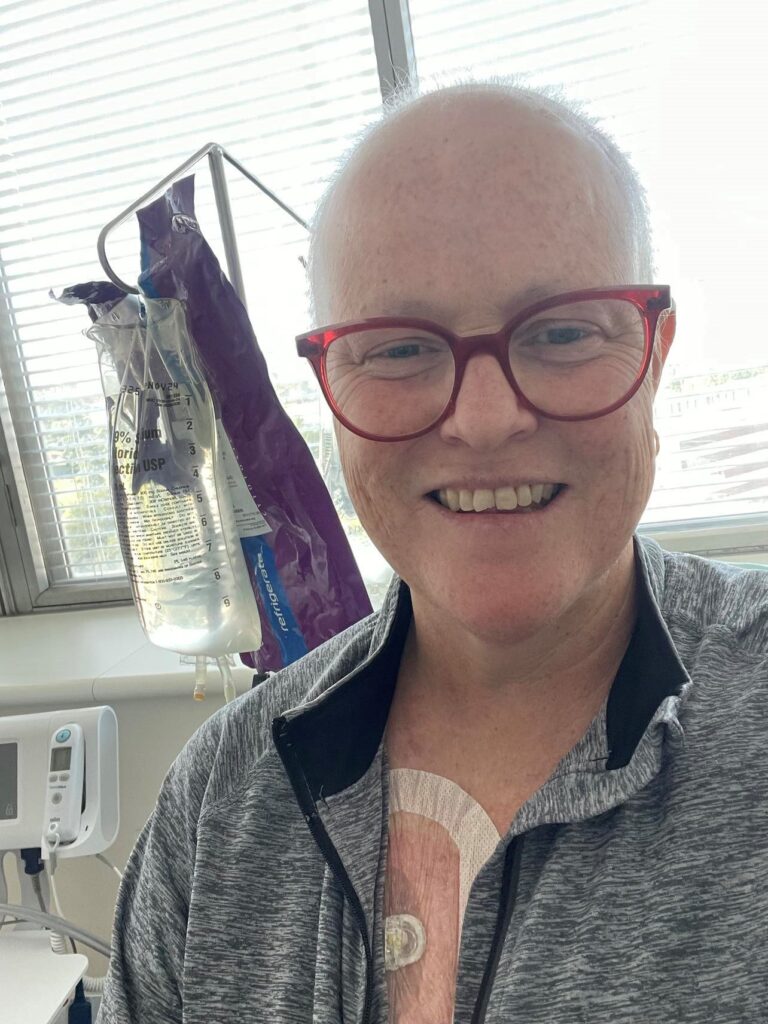
Alex Neville, a psychologist and mother of four, is one of those women. Diagnosed in 2024, she did not have access to molecular profiling, a critical tool that could have guided more personalised and effective treatment.
Molecular profiling is an advanced diagnostic tool that analyses the genetic makeup of a tumour. It helps identify targeted therapies and determines eligibility for clinical trials—offering real hope, particularly for rare cancers with few standard treatment options.
“We know molecular profiling and access to clinical trials can significantly extend and improve lives. We must accelerate this progress to ensure no woman is left behind,” said Professor Clare Scott AM, Chair of ANZGOG (Australia New Zealand Gynaecological Oncology Group).
Despite its proven benefits, access remains limited. Most women diagnosed with gynaecological cancer will not benefit from the personalised treatments or clinical trials made possible through molecular profiling.
Gynaecological cancers are among the most lethal for Australian women, with six deaths every day and survival rates for some types, such as ovarian cancer, unchanged since 1975².
The burden of disease is not equal. Women in rural and regional areas, First Nations women, and those from lower socioeconomic backgrounds face additional barriers to early detection, treatment, and participation in clinical trials².
“These women are not just statistics. They are our mothers, sisters, daughters, wives and friends. Many of them are mothers, just like me. Every woman deserves the chance to survive.” said Alex.
Despite the significant burden, gynaecological cancers have consistently received among the lowest levels of cancer research funding over the past two decades. This underfunding has slowed progress for survival rates and treatment access².
Alex is sharing her story and joining forces with WomenCan to help grow awareness and funding to improve access to molecular profiling, clinical trials, and better treatment outcomes for women across the country.
“Breakthroughs in cancer research only save lives when women have access to them. We are determined to ensure that every woman receives the best treatment possible, no matter who she is or where she lives.” added Professor Clare Scott AM
👉 For more information or to support to help fund research that gives women like Alex the best chance at life. Visit womencan.org.au/appeal.
Key Facts:
Thursday 25 June is Rare Cancers Day
About us:
About ANZGOG: The Australia New Zealand Gynaecological Oncology Group (ANZGOG) is the peak national gynaecological cancer research organisation for Australia and New Zealand. Our mission is to improve outcomes and quality of life for everyone with a lived experience of gynaecological cancer by conducting and promoting clinical trials and multidisciplinary research.
About WomenCan: WomenCan is the fundraising arm of ANZGOG and plays a pivotal role in supporting groundbreaking research through community engagement and fundraising efforts— together we are stronger.
Contact details:
For more information, or to interview an expert or a person with a lived experience:
Monique Cerreto: T: 0416 282 464, E: [email protected]