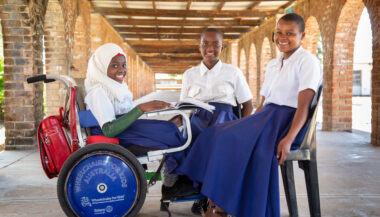
More than 1,000 children under five die every day from water, sanitation and hygiene (WASH) related diseases, with close to half of these deaths occurring in only a few countries, including Pakistan, Nigeria and Ethiopia. [i]
Inadequate access to water, sanitation and hygiene claims most young lives in low-income countries, a disparity underscoring a lottery of life in which a child’s birthplace significantly influences their chance of survival.
Only 0.03% of the total deaths occurred in Australia, New Zealand, the United Kingdom, the United States, Canada and Europe. [ii]
The World Health Organization has found that unsafe drinking water, sanitation and hygiene are major threats to young children’s health.
Every year, these poor conditions lead to the deaths of around 395,000 children under five and cause serious illness and disability for millions more.
In fact, unsafe water, sanitation and hygiene are behind more than 1 in 13 deaths in this age group. Where a child is born plays a pivotal role in determining access to essential water, sanitation and hygiene for survival. [iii]
In many low-income nations, access to water, sanitation and hygiene is scarce, leading to preventable diseases and high child mortality rates.
This inequity highlights a profound injustice: the chance of being born in a particular region can dictate a child's likelihood of reaching their fifth birthday.
The consequences of inadequate WASH extend beyond immediate health risks.
Children with WASH-related sickness often experience malnutrition, stunted growth and impaired cognitive development.
Further, the burden of collecting water often falls on young girls, impacting their education and perpetuating cycles of poverty and gender inequality.
Climate change intensifies the challenges associated with water security. Increased droughts, floods and extreme weather events disrupt water supplies and sanitation infrastructure, making safe water even more inaccessible.
WaterAid Australia Chief Executive Tom Muller said
“The reality that over 1,000 children under five die each day due to inadequate water, sanitation and hygiene services is a reminder of the profound inequalities that persist in our world.
While significant progress has been made, ensuring that every child, regardless of their birthplace, has access to safe water, sanitation and hygiene is not only a moral imperative, but a critical step toward achieving global health equity and sustainable development. Where a child is born should not determine their survival; it is within our collective power to change this.”
Addressing the global water, sanitation and hygiene crisis requires a multifaceted approach; investment in infrastructure, education and awareness, policy and governance, international collaboration and a focus on integrating climate resilience into WASH programs.
Ending the lottery of life demands urgent global action. By investing in clean water, decent toilets and good hygiene, we can give every child, no matter where they are born, the chance to survive and thrive.
Visit Future of Firsts to find out more: https://www.wateraid.org/au/stories/firsts
-ENDS-
[i] https://www.who.int/data/gho/data/indicators/indicator-details/GHO/number-of-diarrhoea-deaths-from-inadequate-water-sanitation-and-hygiene
Key Facts:
· 703 million people in the world – almost one in ten – don’t have clean water close to home.1
· 2.2 billion people in the world – more than one in four – don’t have safe water.1
· Almost 2 billion people in the world – one in four – lack soap and/or water to wash their hands at home, if they have a place at all.1
· 1.5 billion people in the world – almost one in five – don’t have a decent toilet of their own.1
· 570 million people in the world – 1 in 14 – have a decent toilet but have to share it with people outside their family. This compromises the privacy, dignity and safety of women and girls.2
· Almost 400,000 children under five die every year due to diseases caused by unsafe water, sanitation and hygiene. That's more than 1000 children a day, or almost one child every one and a half minutes.2
· Investing in safely managed water, sanitation and hygiene services provides up to 21 times more value than it costs.3
About us:
WaterAid
WaterAid is an international not-for-profit determined to make clean water, decent toilets and good hygiene normal for everyone, everywhere within a generation. We work alongside communities in 22 countries to secure these three essentials that transform people’s lives. Since 1981, WaterAid has reached 28 million people with clean water and nearly 29 million people with decent toilets.
To find out more visit www.wateraid.org.au follow @wateraidaustralia on Instagram, @WaterAidAus on Twitter, or find WaterAid Australia on Facebook at www.facebook.com/wateraidaustralia
Contact details:
For more information, please contact:
Tegan Dunne, Communications Manager, WaterAid Australia, [email protected]
0415174589