
Key Facts
-
World-first application: This is the first documented use of microplastic-free straws and cups in paediatric care.
-
Why hospitals need them: Straws and small cups remain exempt from plastic bans because they are medically necessary for administering medicines, hydration, and feeding support.
-
The hidden risk: Conventional plastics and so-called “compostables” can shed harmful microplastics, exposing vulnerable patients, including children, to unnecessary risks.
-
The Terra Sol solution: PHA-based straws and cups that are marine-biodegradable and proven to break down naturally with zero microplastics.
-
The rollout: Initial trial donations have already been made this month, with outreach continuing to children’s hospitals and family support organisations nationwide.
-
The bigger picture: Terra Sol hopes the program will set a new global benchmark for safer, microplastic-free healthcare.
Australian design studio Terra Sol leads a global first by introducing microplastic-free, marine-biodegradable straws and cups into paediatric care
Children’s hospitals across Australia are set to lead a world-first trial of microplastic-free straws and cups, offering a safer option for young patients who rely on these items every day.
While most Australians have moved away from single-use plastics, hospitals remain exempt from plastic bans because straws and small cups are considered a medical necessity. They are used daily to serve medicines, provide hydration, and support children with disabilities or feeding challenges. But conventional plastic and “compostable” alternatives can shed harmful microplastics, exposing vulnerable children to risks they should never face.
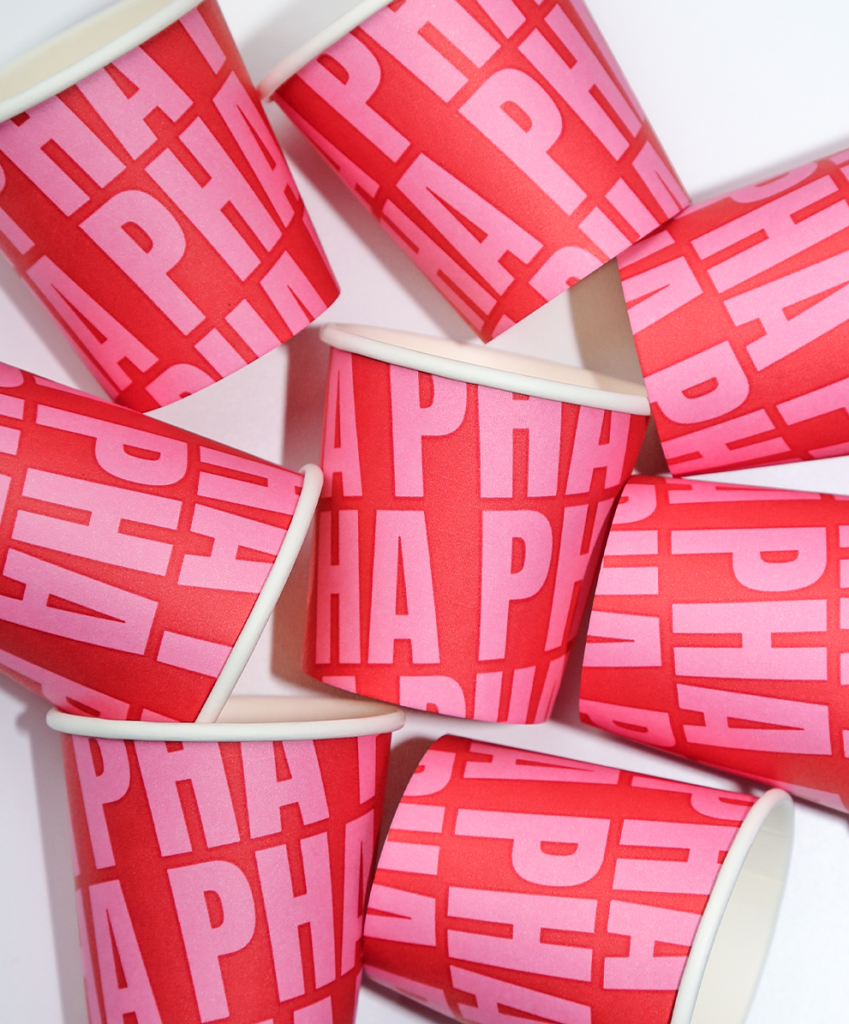
In response, Australian design studio Terra Sol, in exclusive partnership with EcoPHA Biotech, has produced a run of PHA-based straws and small patient-use cups for donation to children’s hospitals and family care organisations. Made from PHA, a breakthrough biopolymer that is marine-biodegradable and proven to break down completely with zero microplastics, the products represent a global first in paediatric care.
“Hospitals can’t avoid using straws and small cups, they’re essential to patient care. But families shouldn’t have to worry about microplastics being part of their child’s recovery. By making these available to children’s hospitals first, we hope to set a new global standard for safer healthcare,” said Louise Sykes, CEO of Terra Sol.
The initiative highlights a hidden issue: while bans on single-use plastics have captured public attention, the healthcare sector, from children’s hospitals to aged care, remains locked into daily use of items that are difficult to replace. Terra Sol’s donations demonstrate that hospitals don’t need to choose between safety and sustainability.
The first trial donations rolled out this month, with additional hospitals and family support organisations now being approached to take part. Terra Sol hopes this pilot will spark broader adoption of microplastic-free standards in healthcare, setting a precedent for hospitals worldwide.
About us:
Terra Sol is an Australian design studio with a singular purpose: to replace harmful plastics with beautiful, functional, and truly biodegradable alternatives. In exclusive partnership with EcoPHA Biotech, Terra Sol delivers world-leading Australian made PHA packaging that breaks down naturally with zero microplastics, setting a new global standard for foodservice, healthcare, and beyond.
Website: https://www.terrasolstudio.com/
Contact details:
Vivienne Blake
CMO / Terra Sol