
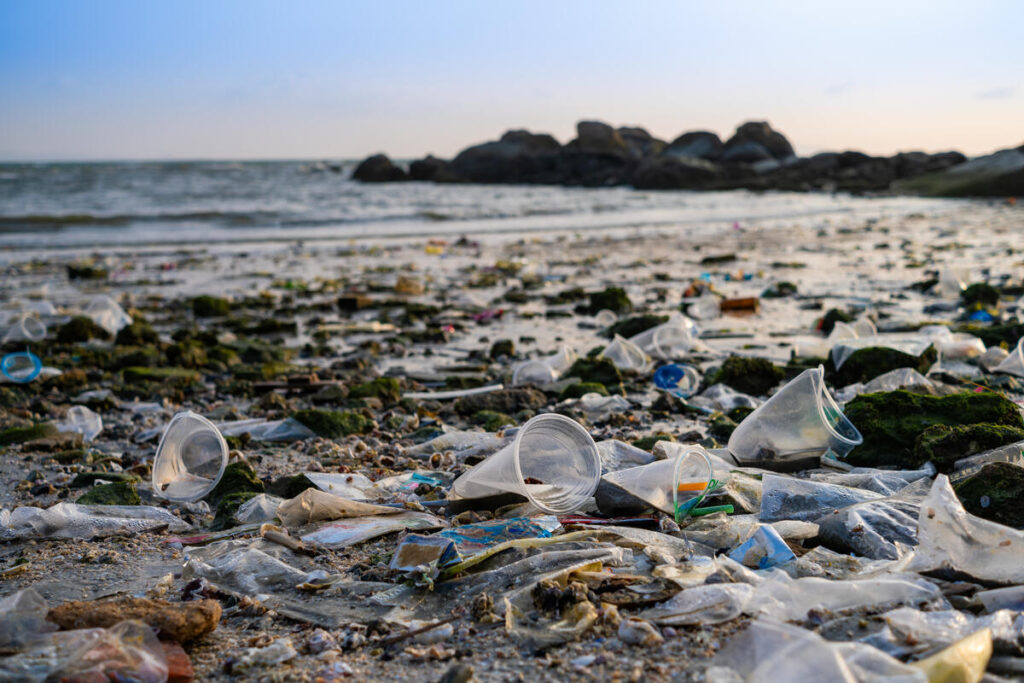

WWF has called on countries including Australia to pursue a new path to tackle the plastic pollution crisis after UN talks to secure a global plastic treaty ended in failure.
Representatives from 185 countries met in Geneva for INC-5.2 in a last effort to agree on legally-binding rules to reduce plastic production and consumption and ban the most polluting plastic products.
Yet after almost two weeks of tense negotiations, countries failed to agree on a treaty text or clear plans for how the treaty can be delivered.
While not confirmed, the Chair stated the fifth session of the INC negotiations will resume at a later date.
WWF called on leaders to take the treaty beyond the INC process where they can remove the shackles of low ambition and finally pave the way for a meaningful treaty.
“The failure of states to find agreement in Geneva is bitterly disappointing. This outcome is neither what communities, scientists, businesses and civil society demanded nor what our leaders promised,” said Zaynab Sadan, WWF’s Global Plastics Policy Lead and Head of Delegation at INC-5.2.
“An overwhelming majority of states from all corners of the world expressed willingness and alignment for an effective treaty to end plastic pollution. That provides hope for the future. However, a minority of blockers and the tradition of consensus decision-making leave us with no outcome.
“This process showed that consensus decision making has outplayed its role in international environmental negotiations.
“Continuing without any radical shift in the process, without giving proper weight to the demands of the majority would be futile.
“We therefore implore leaders not to let all of the work we have done go to waste and use this opportunity to build a treaty that the majority have been calling for since the beginning.”
WWF-Australia’s No Plastic in Nature Policy Manager, Malene Hand said the Australian Government also needed to play its part by pushing ahead with national reforms to tackle plastic waste.
“The Australian Government has led with ambition at these treaty negotiations. That ambition should be matched by decisive action to tackle plastic and packaging waste at home,” said Ms Hand.
“Australia is the second-highest generator of single-use plastic waste per person in the world. Single-use plastics and packaging are the most littered items in Australia, with an estimated 140,000 tonnes of plastic leaking into our environment each year. We need strong, mandatory rules to stop this flood of plastic pollution.
“The government must move forward with its proposed plastics and packaging reforms, which have remained stalled since October 2024. These include making businesses responsible for the environmental impact of their packaging, banning harmful chemicals in packaging and expanding support and incentives for reuse at scale.
“These proposals enjoy strong backing across key sectors and are urgently needed to keep plastic out of our waterways, beaches and oceans.”
Contact details:
Paul Fahy, 0455 528 161, [email protected]