
- In Victoria in 2023–24, around 546,000 people could have avoided visiting a hospital emergency department if a primary care or community health service had been managing their health condition. This would have helped save the Victorian Government an estimated $554 million in expenditure in public hospital emergency departments.
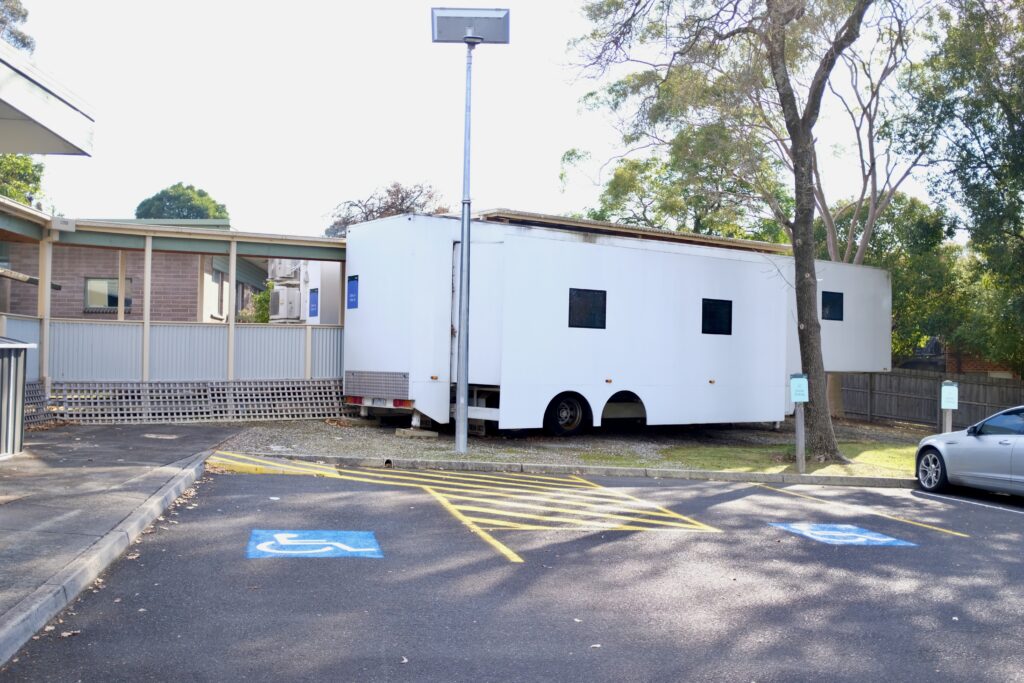
- Community health organisations received just 0.3% of the approx $2 billion spent annually on health infrastructure by the Victorian Government.
- 45% of eligible Victorians had not used a community health service in the last 5 years. Long wait times are the biggest barrier to access.
- Infrastructure Victoria | Investing in community health infrastructure
Community Health First is calling for an urgent increase in infrastructure funding to ensure Victoria’s community health organisations can meet growing demand across the state.
Despite providing services to 1 in 10 Victorians, registered community health receives just 0.3 per cent of the Victorian Government’s $2 billion annual health infrastructure budget
Infrastructure Victoria’s report, released today, shows that a modest increase of between 1.5 per cent and 3 per cent – between $30 million and $60 million per year – would allow community health organisations to expand their reach, co-locate more services, and deliver more community-based healthcare.
“This is about unlocking potential. With increased support from the health infrastructure budget, we can future-proof our services, respond to population growth, and ensure every Victorian has access to high-quality, local care,” said Anna Robinson, Chair, Community Health First.
“With the right infrastructure, we can deliver more services, to more people, in the communities where they live. This is about building capacity – not just buildings.”
Infrastructure Victoria’s report highlights that while community health organisations deliver high-quality, person-centred care across the state, our facilities and the lack of infrastructure investment from government has limited our ability to grow, with 45 per cent of eligible Victorians missing out of services over the last five years. By 2036, demand in growth areas is expected to more than double.
“There is a clear need for sustained and strategic infrastructure funding. Community health is already delivering value – now we need the infrastructure to match,” said Robinson.
Community health organisations provide a wide range of essential services, including dental care, nursing, allied health, social support, women’s health services, access to GPs, and mental health services.
A strong community health sector means fewer ambulance callouts, reduced emergency department strain, and a healthier population. An expanded community health sector could save the Victorian government upwards of $550 million in Emergency Department costs.
With upgraded facilities, organisations could:
- co-locate services for seamless, wraparound care
- expand reach in high-growth areas
- reduce travel and wait times for clients
- support early intervention to prevent hospital admissions
- deliver care in culturally safe, accessible environments.
Infrastructure Victoria estimates that with better infrastructure, community health organisations could help manage some of the 500,000 emergency department visits in the community – saving the health system hundreds of millions of dollars.
“We’re ready to scale up. With smart investment, we can support our communities to get help and support close to home rather than going to hospital – keeping people healthier and easing pressure on emergency departments,” said Robinson.
An investment over the next 5 years would deliver long-term benefits for communities and the health system alike – ensuring community health organisations can continue to provide high-quality, accessible care for all Victorians.
--- ENDS ---
About us:
Community Health First is an initiative of all 22 registered independent community health services in Victoria. Community health First seeks to start a dialogue with Government decision-makers to promote the central role of community health services in the wider Victorian health system, and to increase the capacity of services to alleviate system-wide demand.
Contact details:
Jo French, Media and Communications
Community Health First
M: 0423 811 048