Grace Mitchelson is 19 but has already spent years of her life fighting to be believed, supported, and included.
From being bullied and denied adjustments at school to having her medical needs dismissed after telling doctors she is Autistic, the Brisbane-based disability advocate has experienced discrimination in almost every space she’s entered.
“[I’ve been] discriminated against almost every day for years,” they said.
“I was never able to graduate from high school because of the discrimination I faced. I have a fear of going to hospitals … because of the discrimination I faced.
“And I am an even more passionate disability advocate because of the discrimination I faced, because I never want to see another person go through what I have been through.”
Grace is just one of many calling for meaningful reform as the public consultation period for the government’s Review of the Disability Discrimination Act 1992 nears its Friday deadline.
The Act is widely seen as no longer being fit for purpose, with nearly one in five (17.6%) young people with disability aged 15 to 34 experiencing discrimination in 2022.
Children and Young People with Disability Australia (CYDA) CEO Skye Kakoschke-Moore said it is beyond time for the law to be modernised.
“The Disability Discrimination Act was passed more than three decades ago. It is older than many of the disabled young people who are disproportionately impacted by discrimination in education and employment and whose rights it is meant to protect,” Ms Kakoschke-Moore said.
“With this Review, we have an unprecedented opportunity to make sure the law reflects updated models of disability and genuinely empowers disabled young people.
“It can do that by including amendments that ensure children and young people with disability can access inclusive, safe, and equitable opportunities without needing to initiate a complaint.”
Introducing a ‘positive duty’ to the Act is one of five key recommendations in CYDA’s policy submission to the Review, delivered today.
This would make it a requirement for duty holders across settings to proactively remove barriers for children and young people with disability.
According to Grace, it would “place more power in the hands of disabled people”.
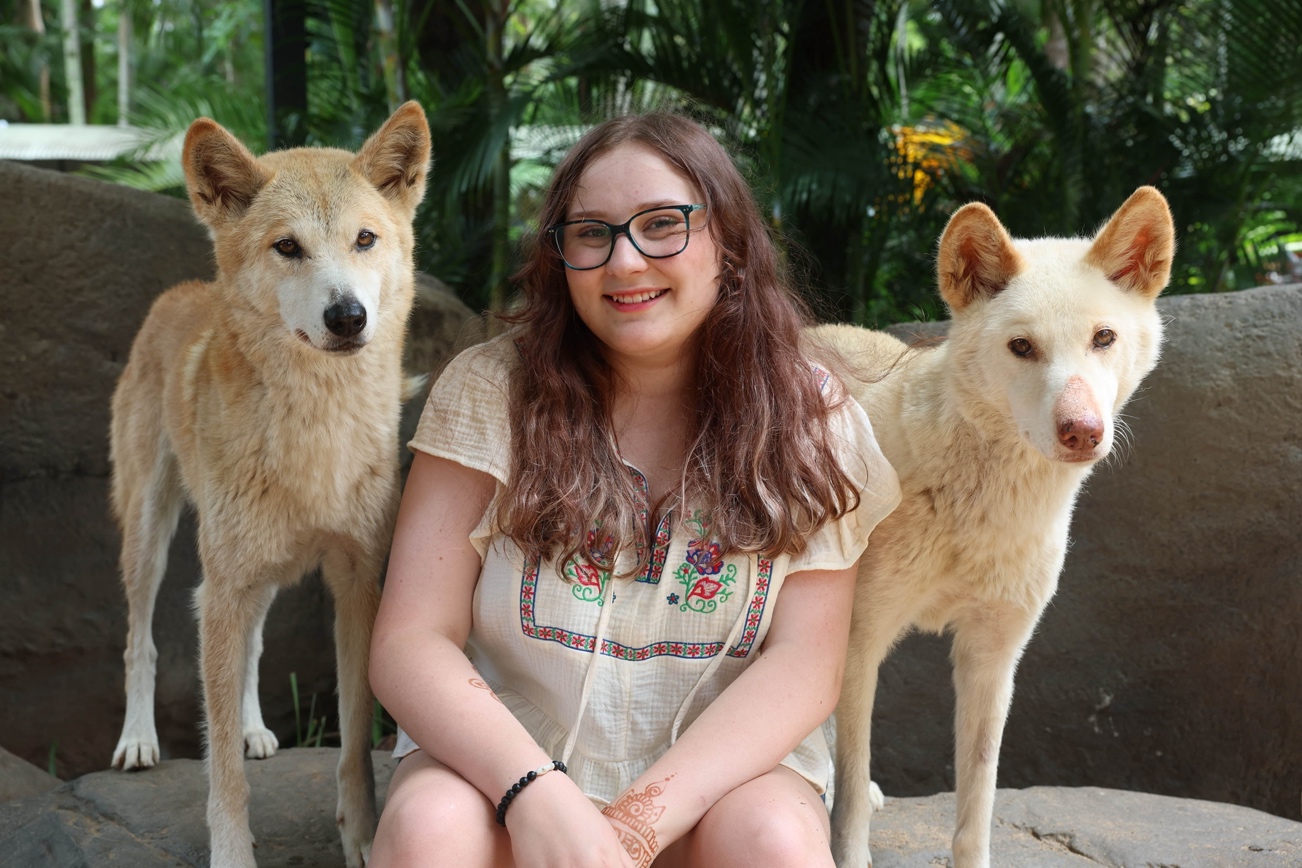
Grace’s experiences of discrimination extend across multiple areas of life.
Throughout her education, she was routinely bullied by students and staff and refused even the disability supports included in her approved learning plan.
Doctors were often dismissive of Grace’s symptoms and needs as a person with Tourette Syndrome and Functional Neurological Disorder, which causes partial paralysis and seizures.
“I was told by multiple medical professionals that my tics were not real, and that I should just get up and walk,” she said.
“The hospital became so stressful to me that I would often not be able to speak. One time, I had a nurse rip my shirt off without informing me and without my consent, just because I couldn’t communicate verbally.
“[Another time] a cardiologist … refused to take my concerns seriously and to run proper testing after I revealed that I am autistic.”
CYDA believes a modernised Disability Discrimination Act must include a series of amendments that would strengthen individual rights in education, employment, healthcare, and other areas of life.
Such changes could set the stage for a federal Human Rights Act to provide better legal protections for children and young people with disability in line with international obligations.
The full submission and recommendations can be viewed on the CYDA website.
The following individuals are available for interviews:
- Skye Kakoschke-Moore (she/her) – CYDA CEO
- Grace Mitchelson (she/they) – young person with disability
- Other young people with disability from across Australia, upon request
About us:
Children and Young People with Disability Australia (CYDA) is a not-for-profit community organisation. It is the peak organisation representing the rights and interests of children and young people with disability (aged 0-25) in Australia.
Contact details:
Email: [email protected]
Phone: (03) 9417 1025 | Mobile: (+61) 0426 815 627 (Media Advisor David Kavanagh) or 0458 020 197 (Sonia Regan)