Key points
- A Florey study in mice has found that offspring conceived after a father has been infected with the SARS-CoV-2 virus and developed COVID-19 symptoms have higher levels of anxiety-like behaviours.
- These changes are due to differences in non-coding RNA in sperm, which are involved in regulating how specific genes are expressed.
- Further studies are needed to understand if similar changes occur in humans.
- The findings suggest that the COVID-19 pandemic could have long-lasting effects on future generations.
Changes in mouse sperm after a SARS-CoV-2 viral infection can affect an offspring’s brain and behaviour
Florey researchers have shown that a father’s SARS-CoV-2 viral infection before conception can alter their offspring's brain development and behaviour, through changes in sperm.
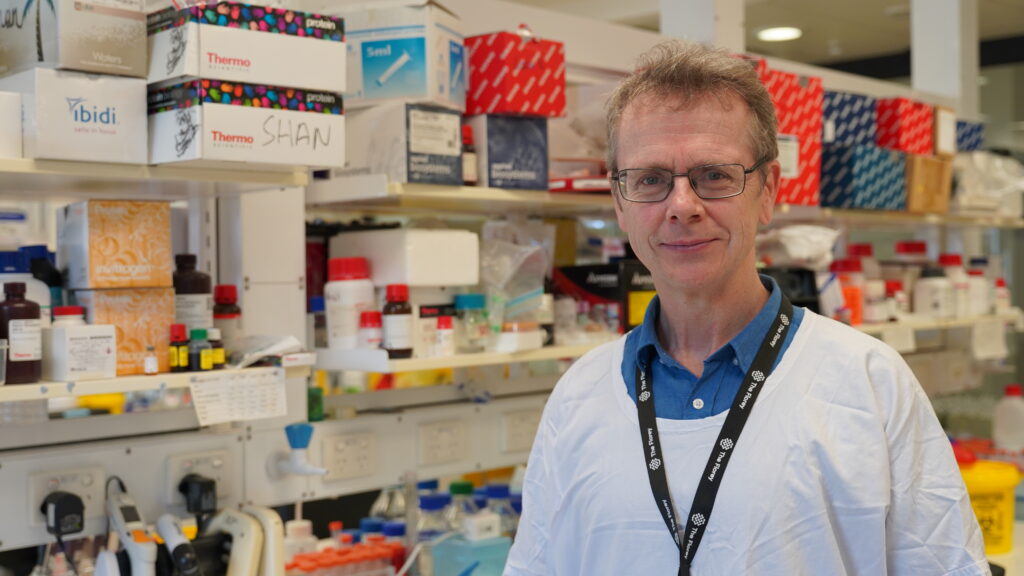
Lead researcher Professor Anthony Hannan said the study in mice suggested that the COVID-19 could have long-lasting effects on future generations.
The findings have been published in Nature Communications.
“We already knew that when male mice were exposed to specific environmental and lifestyle factors, like poor diet before mating, it could change brain development and behaviour in offspring,” Professor Hannan said.
"This is because the father's experiences can alter the information carried in sperm, including specific RNA molecules, which transmit instructions for offspring development."
Working with co-authors Dr Elizabeth Kleeman, Dr Carolina Gubert and others, the team wanted to see whether the COVID-19 virus would similarly affect sperm RNA and resulting offspring.
The study’s first author Dr Elizabeth Kleeman said: "We let male mice recover from SARS-CoV-2 infection for a few weeks before they mated with healthy females. We found that the resulting offspring showed more anxious behaviours compared to offspring from uninfected fathers."
All offspring from COVID-19-affected fathers displayed increased anxiety-like behaviours. Female offspring also had significant changes in specific gene activity in their brain's hippocampus region, which is important for anxiety, depression and other affective behaviours.
Co-senior author Dr Carolina Gubert said: “These kinds of changes in the hippocampus, as well as other brain regions, may contribute to the increased anxiety we observed in offspring, via epigenetic inheritance and altered brain development”.
Analysis of the RNA from the infected fathers’ sperm showed that COVID-19 had altered various molecules, including some involved in the regulation of genes that are known to be important in brain development.
Professor Hannan said the study is the first to show that a father's SARS-CoV-2 infection before conception can impact their offspring's behaviour and brain development.
“While more research is needed, particularly in the sperm and offspring of humans infected with the SARS-CoV-2 virus, these findings suggest that the COVID-19 pandemic could have long-lasting effects on future generations. Our discoveries highlight the importance of understanding the impacts of this virus and infectious disease, not only on those directly infected, but also on their children who may be affected by their parent’s experience with COVID-19.
“If our findings translate to humans, this could impact millions of children worldwide, and their families, with major implications for public health.”
Contact details:
Florey Media: Kath Powley
0456 666 271
Professor Hannan can also be contacted directly: [email protected]