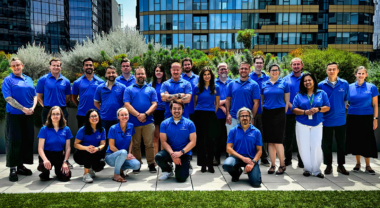
The Royal Australian College of GPs (RACGP) is visiting Western New South Wales communities to listen to local GPs and practice team members and provide valuable education opportunities for GPs in training, or “registrars”.
The College’s Education Training and Rural Program teams will deliver a unique and immersive education opportunity for Western NSW registrars undertaking their first or second term of GP training. They will take part in small group learning sessions during their onsite visits with local health services, and benefit from networking opportunities in Dubbo, Wellington, Parkes, Forbes, and Condobolin.
Associate Professor Kerrie Stewart, the RACGP’s Regional Director of Training for Western NSW and ACT, said the visit will showcase the incredible support that practices, communities and the broader rural health services provide to GP trainees.
“This is a great opportunity and I’m confident registrars will see first-hand how, outside of major cities, healthcare providers are supported both personally and professionally,” she said
“We provide immersive educational experiences across regional, rural and remote settings that allow registrars to explore how they can live, work and learn, while at the same time delivering valuable healthcare within the region.
“This reflects the RACGP’s commitment to strengthening rural and remote general practice care and supporting the next generation of GPs to provide high-quality care across Australia’s many diverse communities, including in Western New South Wales.”
Dr Stewart said GPs in training are the future of rural and remote general practice care.
“If we can boost registrar numbers in the bush, they’re more likely to stay here as long-term GPs and care for these communities for many years to come,” she said.
“We’ll be travelling with Western NSW registrars in their first year of training and I look forward to hearing more about their experiences. Representatives from the Joint College Training Services will also join us to help answer registrar questions.
“Earlier in the week, we’ll also be holding an Aboriginal Health Training Day, which features the JCTS conducting cultural and health education regarding health issues impacting Aboriginal and Torres Strait Islander patients, including barriers to accessing care.”
“The RACGP has managed to increase registrar numbers in Western NSW significantly, in-part by incentivising placements within identified communities of workforce need, with around 80–90 expected to seek training placements in the region next year.
“We’re also currently supporting 60 Australian General Practice Training [AGPT] registrars in the region, in addition to 26 registrars in the Fellowship Support Program training pathway, and another eight in the Practice Experience Program Specialist program, which is designed for doctors who have moved to Australia from overseas"
The College’s Regional Director of Training for Western NSW and ACT said more can still be done to secure the GP workforce.
“We’re making inroads, but government can do more to ensure that no patients miss out on the care they need, when they need it,” she said.
“The College continues to urge state and local governments to collaborate and offer key incentives to attract GPs to rural and remote communities, including in Western NSW. We know that support to arrange things like housing, childcare, spousal employment helps boost the attractiveness of working outside of a major city and can make the transition that much easier.
“We’ve also consistently called for more regional and rural placements for medical school students, and for the federal and state governments to provide additional support to rural and remote practices taking on GPs in training. This could, for example, include funding for infrastructure enhancements, or simply direct financial incentive payments to practices taking on registrars.
“All patients, no matter their postcode or income, deserve access to the highest quality of general practice care.”
~ENDS
|
RACGP spokespeople are available for interviews: 03 8699 0992 / [email protected]. |
|
About us:
About the RACGP
The Royal Australian College of General Practitioners (RACGP) is the peak representative organisation for general practice, the backbone of Australia’s health system. We set the standards for general practice, facilitate lifelong learning for GPs, connect the general practice community, and advocate for better health and wellbeing for all Australians. Visit www.racgp.org.au. To unsuscribe from RACGP media releases, click here.
Contact details:
Media team: 03 8699 0992 / [email protected]