
16.10.25
NEW GUIDELINES FOR DENTISTS & PATIENTS ON EARLY RELEASE OF
SUPERANNUATION FOR DENTAL CARE
RADIO GRABS ATTACHED TO RELEASE
CASE STUDY AVAILABLE FOR INTERVIEW
NEW GUIDELINES ON THE EARLY RELEASE OF SUPERANNUATION to fund dental treatment have today been released by the dental profession’s peak body, providing more clarity for both patient and dentist.
The guidelines come as the Australian Tax Office (ATO) was due to release its annual review of data today on the early release of superannuation, in which dental care rates as the second highest (1) reason for using the Compassionate Release of Super scheme (CRS).
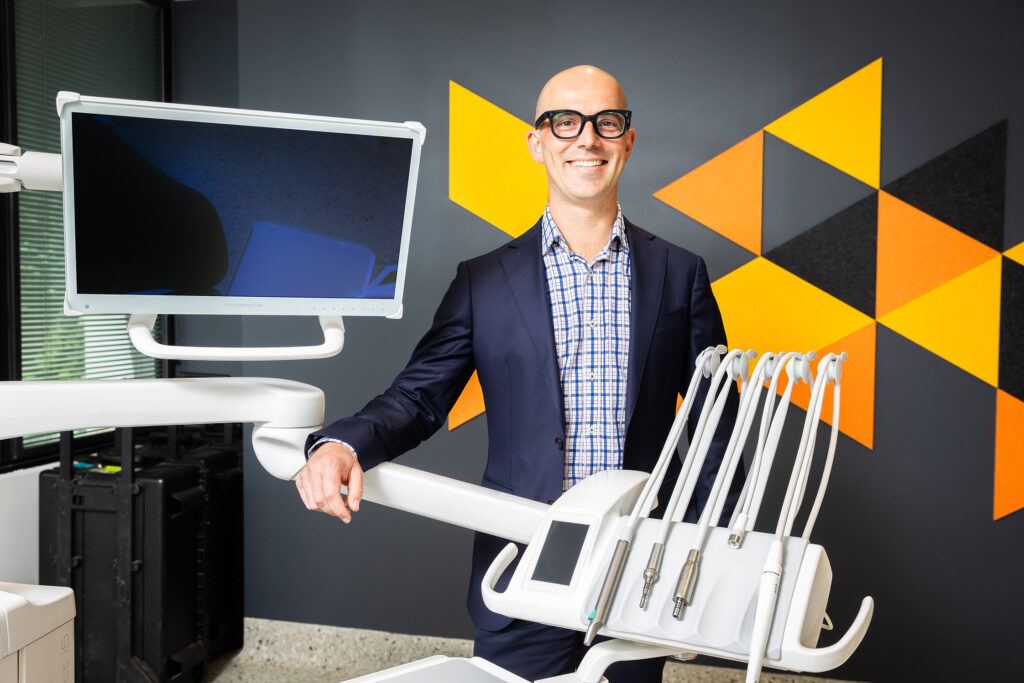
"The ability to access superannuation early to pay for critical dental treatment is an important part of our health safety net,” said Australian Dental Association (ADA) President Dr Chris Sanzaro. “The scheme has provided welcome financial relief for tens of thousands of people needing urgent dental treatment.”
The new CRS guidelines produced by the ADA are designed to provide clarity for the applicant patient as well as remind dentists of their obligations. They also aim to clear up some of the misinformation surrounding the scheme, such as:
*Dentists can’t provide financial guidance to patients on the implications of withdrawing super to fund treatment - this can only be provided by a holder of an Australian Financial Services License;
*The clinician who wrote the patient’s report for the ATO doesn’t have to be the one doing the treatment;
*A dentist’s report must only recommend treatment for the life-threatening illness or injury, acute or chronic pain. No other work can be funded this way;
*Dentists may ask for a deposit to cover clinic time, lab fees and associated expenses, but it’s not usual that all treatment is paid for upfront, and
*It’s recommended that dentists don’t advertise the CRS on their practice website, though its existence as a payment form can be mentioned to the patient.
The guidelines also seek to reiterate that CRS can only occur when there’s a life-threatening injury or illness, acute or chronic pain, or where dental treatment will help with a mental illness and there’s no other way to afford it. To fulfill these criteria there must be two reports from medical practitioners, one who must be a specialist or dentist. For an application to treat mental illness, a report from a specialist psychiatrist is required.
Dr Sanzaro said: “We’re also stressing that as well as reports, patients need a quote from the practitioner about the cost of treatment necessary to treat the acute condition, as well as an indication of future treatment and maintenance costs. That way there’s complete transparency for both sides.”
The CRS guidelines for dentists were developed out of a need to provide clarity around the system which has seen some cases of system abuse. The guidelines include information on advertising restrictions, presenting patients with all treatment options and costs, and rules around contributing to the medical reports which accompany the application.
The CRS guidelines for patients include how the money must be used, a reminder to patients their dentist cannot give financial advice and what some of the eligibility criteria are. They can be found on the ADA’s consumer website teeth.org.au and also here: https://teeth.org.au/compassionate-release-of-super-for-dental-treatment
Ends.
Background for News Editors:
The new rules have come out as the Australian Tax Office releases (16 October) its annual findings of applications for early release of super across a range of areas including dental, medical, IVF and disability.
Dental applications have been the second most common application reason. In 2024 the ATO received 31,780 dental applications and it approved 22,530 (1). The amount approved was $526.4m. In 2023 there were 20,960 dental applications and 14,020 approvals, totalling $313.4m.
Sources:
RADIO GRABS ATTACHED TO RELEASE
To interview ADA President Dr Chris Sanzaro contact Media Advisor
Jenny Barlass 0497 748 331.
Contact details:
ADA Media Advisor Jenny Barlass
0497 748 331