- One in eight electrical apprentices receive an electrical shock at work
- Likelihood of shock doubles for 10% of apprentices whose training is delayed
- $200 million taxpayer-funded apprentices missing in action
One in eight electrical apprentices shocked at work
- One in eight electrical apprentices receive an electrical shock at work
- Likelihood of shock doubles for 10% of apprentices whose training is delayed
- $200 million taxpayer-funded apprentices missing in action
WEDNESDAY 22 OCTOBER 2025 – Taxpayer-funded apprentice mentors are missing in action as apprentice electricians are exposed to electric shocks and delayed training, new research has found.
One in eight Australian electrical apprentices are exposed to potentially deadly electrical shocks during their apprenticeship, with that figure doubling to one in four if apprentices do not commence their classroom training until after their first year on the tools.
These sickening figures come from a survey of more than 400 apprentices conducted by the Electrical Trades Union in April and May this year.
Critical safety modules on CPR, health and safety, and controlling the risk of electric shock are among the first units delivered in the classroom to electrical apprentices. With one in ten apprentices not starting TAFE until their second year, this delay in jeopardising safety.
The research raises questions about the role of taxpayer-funded Apprentice Connect Australian Provider (ACAP) scheme, which funds private companies to mentor and advocate for apprentices to the tune of more than $200 million a year.
The survey revealed that one in five apprentices were unable to identify their ACAP from a list, and follow-up interviews with apprentices who had been shocked at work revealed many were unable to say what the mentor was supposed to do. Those who did understand the purpose of the mentor said their mentor did not fulfil that purpose, and that the support they received was perfunctory.
None of the apprentices interviewed by the researchers received any assistance from their mentor regarding delayed access to off-the-job training.
The research found that taxpayer-funded mentors failed to find training places for apprentices, did not advocate for apprentices to their employers, did not ensure that their on-the-job training was suitable or properly supervised, did not provide advice to handle disputes with employers and in some cases sided with employers seeking to fire apprentices in disputes.
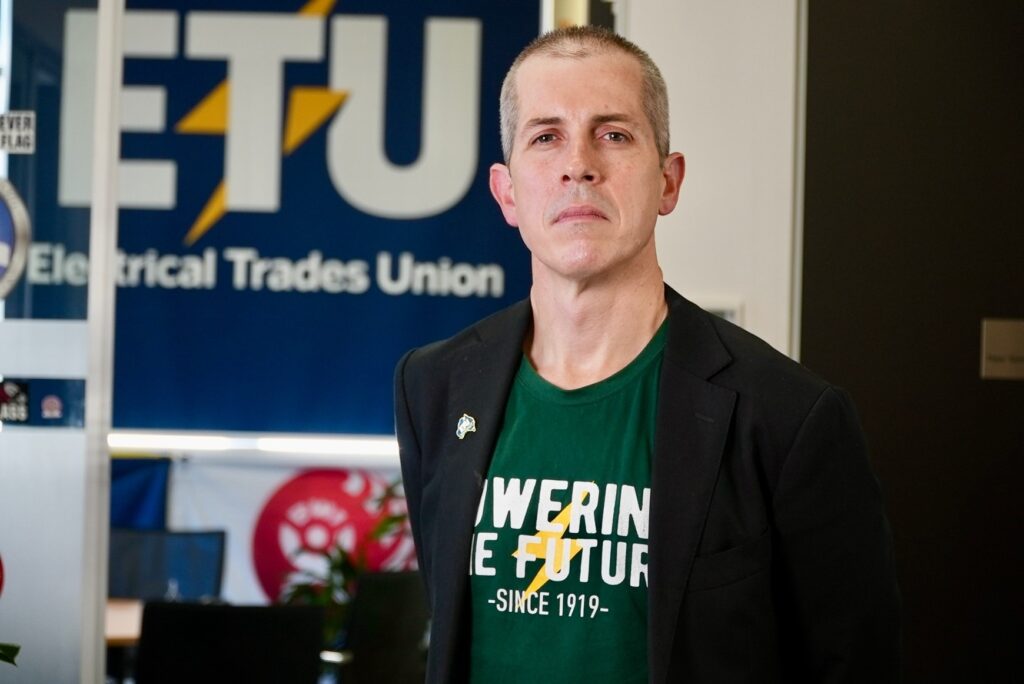
Electrical Trades Union National Secretary Michael Wright said the findings were deeply disturbing.
“Young people learning any trade should be taught how to work safe, get training on the tools and in the classroom, and have someone in the corner to stand up for them. We need an apprenticeship system that works for apprentices, not the other way round,” Mr Wright said.
“We need apprentice electricians to wire Australia into the future economy and build our way out of the housing crisis.
“This research shows that our training system is failing apprentices. We are withholding key safety training until apprentices have been on the tools for more than a year, and this is doubling the rate at which they are experiencing potentially deadly electric shocks.
“It suggests that $200 million of taxpayer money is given to supposed mentors who are absent, ineffective, or actively hostile to the interests of the apprentice they have been paid to support.
“This has been reported even when apprentices most need support – when they have had their training withheld, have been exposed to electric shocks, or they’ve fallen out with their boss.
“We know we need more than 40,000 additional electrical workers in the next five years. We also know that nearly half of all electrical apprentices withdraw before they get their license.
“Addressing the grave failures of policy and empathy that this research lays bare would be a great place to start and now would be the perfect time to do it.”
CONTACT
Lachlan Williams 0447 682 027 – [email protected]
James Cameron 0412 611 695 – [email protected]
Contact details:
CONTACT
Lachlan Williams 0447 682 027 – [email protected]
James Cameron 0412 611 695 – [email protected]