MEDIA RELEASE
Embargoed until 11:59PM – Tuesday 18 November
‘Ever had a tattoo back in the day?’
New campaign urges Australians to ‘get tested and get cured’ for hepatitis C
Media release: Wednesday, 19 November 2025
Ever had a tattoo back in the day? Or had a medical or cosmetic procedure, or body piercing overseas? Ever injected steroids or drugs? Even just once? You could have hepatitis C and not even know it…
With men twice as likely to be affected by hepatitis C compared with women, that’s the key message Hepatitis Australia, in partnership with TasCAHRD, is putting front and centre on International Men's Day - Wednesday 19 November.
The new national pilot campaign, launched by Federal Assistant Minister The Hon Rebecca White MP in Tasmania today, is urging all Australians who may have been exposed to hepatitis C to get tested and take advantage of the simple, fast and highly effective cure now available.
The Appointment, Blood Test, Cure - ABC for the New You campaign is aimed at reaching the estimated 68,890 people in Australia living with hepatitis C, with a particular focus on men over 45, and people who may have been exposed decades ago through activities such as getting tattoos, sharing needles or undergoing medical procedures overseas.
Untreated hepatitis C can lead to fatigue, joint pain, nausea or other serious complications like cirrhosis, liver cancer, or liver failure.
Hepatitis Australia CEO Lucy Clynes said Tasmania had been chosen as a pilot location to kickstart a national push to find and cure the thousands of Australians still living with hepatitis C unknowingly.
“We understand that about 84 per cent of people living with hepatitis C are people who may have injected drugs at some stage in their life, maybe had a tattoo before universal precautions were introduced in the 80s and 90s, or a medical procedure done using unsterile equipment or a blood transfusion in Australia before 1990.”
“Eliminating hepatitis C in Australia is within reach, but to do that, we need to find the people who don’t yet know they have it, and that’s exactly what this campaign is about.
“Getting people to think about whether they might have hepatitis C, and encouraging them to see their local GP to get tested or to call HepLink for more information and support.”
“The other message we want to get across is that you don’t need to explain why you want a hepatitis C test. If there’s something you’re not comfortable sharing, you don’t have to. You can simply say, ‘I’d like a hepatitis C test and I’d prefer not to say why.’”
TasCAHRD Chief Executive Officer Cameron Brown said the campaign was particularly important for Tasmanians.
“In Tasmania, the prevalence of hepatitis C is around nine per cent higher than the national average.
“Many Tasmanians who got hepatitis C years ago may feel healthy or dismiss the symptoms as just part of getting older, but untreated hepatitis C can lead to severe liver disease or cancer. The good news is, it’s now curable.
“It’s as simple as ABC. A. Make an appointment with your GP. B. Get a simple blood test and C. get cured by completing an 8 to 12-week course of medication. Then you’re on your way to the new you.”
The ABC for a New You campaign will run from Monday, 10 November to Friday, 12 December, appearing across YouTube, Facebook, Instagram and digital platforms, particularly targeting men aged over 45.
The campaign will be active in Hobart, Launceston, Central and Eastern Sydney, South Western Sydney, Newcastle, Gold Coast, Brisbane North and Toowoomba.
People who may have or live with hepatitis C often experience significant stigma and discrimination which remain barriers to testing and treatment.
Professor Margaret Hellard AM, an infectious diseases physician and Deputy Director at the Burnet Institute, who is involved in efforts to eliminate hepatitis C in Australia and globally said simple testing and modern antiviral treatments have revolutionised the way hepatitis C is now treated in Australia.
“The medicines for hepatitis C are amazing; more than 95 per cent of people who take treatment get cured.”
“Treatment is fast and straightforward, consisting of daily medication for up to 12 weeks. We’re talking about a cure that can stop you getting sick, save your liver and save your life.”
For some, the hepatitis C cure has been completely transformative.
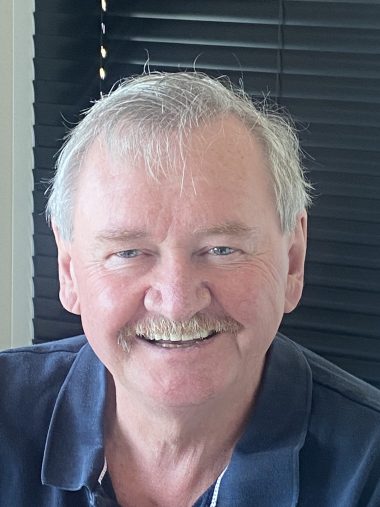
Steven Taylor, 45, said the hepatitis C cures had completely changed
“My hepatitis C came from a blood transfusion I received as a child in the early 90s, before Australia’s blood supplies could be tested for the virus. Back then, there was virtually no information given to me about my condition, and the only treatment option was months of interferon, which has terrible side effects” Mr Taylor said.
“These days however, the medication is completely different. The cure is so simple and I encourage anyone who thinks there’s even a small chance that they might be at risk to reach out and get tested and treated. You have absolutely nothing to lose and so much to gain for your liver health.”
Ms Clynes said that Australia has committed to the global goal of eliminating hepatitis C by 2030, but experts warn this will only be achieved if we can reach the people who are currently unaware of their infection.
“Every single person cured is one step closer to elimination.
“If you think there’s even a small chance you could be at risk, talk to your doctor and get tested. It’s simple, confidential and could save your life.”
For more information, visit www.heplink.au/newyou or call 1800 437 22
Media contact: Darren Rodrigo 0414 783 405
MEDIA ALERT
WHAT
Assistant Minister for Health and Aged Care Rebecca White will launch Hepatitis Australia’s new national campaign - Appointment, Blood Test, Cure – ‘ABC for the New You’ to encourage Australians to get tested and get cured of hepatitis C.
WHO
- Andrea Pizzie, Hepatitis Australia
- The Hon Rebecca White, Assistant Minister for Health and Aged Care, Women and Indigenous Health
- Steven Taylor, Lived Experience Advocate
- Naomi Gilson, TasCAHRD
WHEN
9:00am
Wednesday, 19 November 2025
WHERE
Ravenswood Community Health Centre,
39-41 Lambert St, Ravenswood
TASMANIA
CONTACT
On the Ground contact - Grace Hogan, Hepatitis Australia - 0493 994 523
Media contact - Darren Rodrigo – 0414 783 405 or [email protected]
Contact details:
On the Ground contact - Grace Hogan, Hepatitis Australia - 0493 994 523
Media contact - Darren Rodrigo – 0414 783 405 or [email protected]