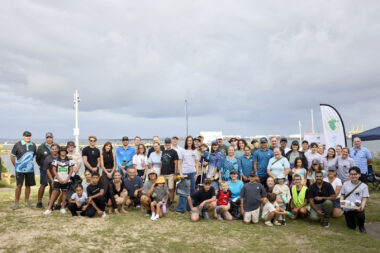
Volunteers from conservation groups have exposed Forestry Corp’s epic failure to find and protect the den trees of endangered greater gliders in New South Wales.
In operational areas in seven state forests, Forestry Corp found just 42 den trees while citizen scientists found 918 – more than 20 times as many.
To classify as a den tree, a greater glider must be seen entering or leaving a hollow. The state-owned forest agency is required to search for these den trees and safeguard them with 50 metre exclusion zones before logging.
But it’s estimated Forestry Corp searches only about 5% to 10% of the area to be logged because it is only required to search for den trees near existing roads and tracks. It’s also allowed to search after dusk when gliders have already left their hollows.
South East Forest Rescue, Wilderness Australia, and the World Wide Fund for Nature Australia say protections must be improved for greater gliders and other threatened species like koalas and glossy black-cockatoos.
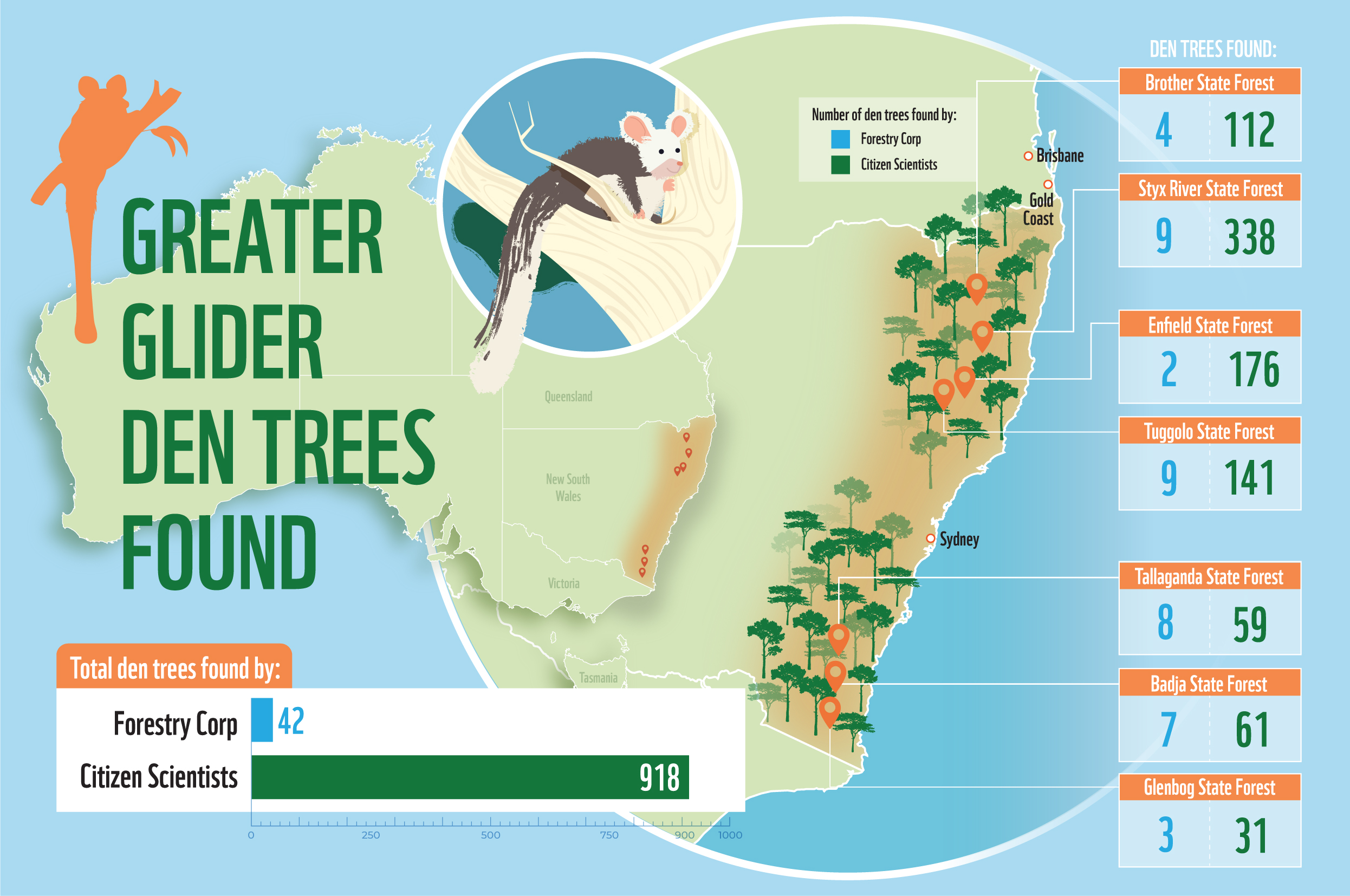
Caption: These figures only include den trees found by citizen scientists in operational areas where Forestry Corp has conducted searches. Citizen scientists have also found dozens more den trees in state forest areas where Forestry Corp is not yet required to search because logging is either not scheduled or in the early stages of planning.
With reform of Australia’s national environment law, the EPBC, now before federal parliament there is a major push to remove loopholes like the exemption for Regional Forest Agreements.
Dr Kita Ashman, conservation scientist, WWF-Australia said:
Forestry Corp’s epic failure to find den trees is a perfect example of why exemptions like RFAs don't work. The logging industry should not get a free pass to avoid scrutiny under a strengthened EPBC.
Outdated loopholes like RFAs allow destructive tree clearing to continue, even in areas critical to endangered species.
It’s time to close deforestation loopholes, provide stronger upfront protections for nature, establish an independent environmental regulator, and safeguard nature against climate change.
Andrew Wong, Operations Manager, for Wilderness Australia said:
It's astonishing the number of den trees that FCNSW is missing, especially considering the number recorded by citizen scientists would only represent a fraction of den trees present. The data we've collected is proof that the NSW Government has a clear choice to make: continue logging native forests or save the greater glider from extinction. These two scenarios cannot coexist.
South East Forest Rescue has launched a court case challenging the legality of the search rules that result in Forestry Corp finding only a fraction of existing den trees. Spokesperson Scott Daines said:
If you don't look, you don't find and that is exactly what Forestry Corporation wants. They care more about the timber than the plight of our precious endangered forest-dwelling species. On top of this it costs the taxpayer tens of millions each year for all this destruction. This is criminal and it's time that native forest logging is stopped to allow our forests and the animals that live in them to recover.
Proud young Aboriginal woman and rising environmental leader Takesa Frank found one of the den trees in Tallaganda State Forest. She said:
It was a really powerful experience; the first greater glider I'd ever seen. They are the cutest animal ever. New South Wales Forestry was literally looking for a nocturnal species during the day and reporting “oh, there are no greater gliders” and then just logging that entire area. It made me really angry and then that turned to sadness.
As a First Nations person the reason I do this work of protecting forests and campaigning against this industry is because Country is our entire culture. It is our identity. Our elders are in the soil and in the skies.
Country must be protected so that future generations can experience culture the way that we did growing up.
Glenbog State Forest – case study
The efforts of volunteers from Wilderness Australia and South East Forest Rescue saved 31 greater glider den trees from potentially being logged and in the process likely saved the lives of greater gliders, after Forestry Corp’s search efforts located only three den trees.
By identifying the den trees and entering the locations on Bionet, these citizen scientists protected patches of older growth forest from the chainsaws and restricted logging to newer, regrowth forest. Areas of more mature vegetation are crucial refuges for threatened species.
WWF has launched a petition calling on members of parliament to strengthen weak nature laws:

Andrew Wong is available on 0467 472 581
Scott Daines is available on 0497 129 735
Please credit Wilderness Australia for the still shots and video here: https://drive.google.com/drive/u/0/folders/1AfZTgHH-Cm4_njAXopKshdcUQomnCplN
Contact details:
Mark Symons
Senior Media Officer, WWF-Australia
m 0400 985 571