
With the weather warming up, drowning incidents are expected to rise as people flock to beaches and waterways. Over a third of all drowning victims in Australia are born overseas, and South Koreans – Australia’s fifth largest group of international visitors – are disproportionately represented in these statistics.
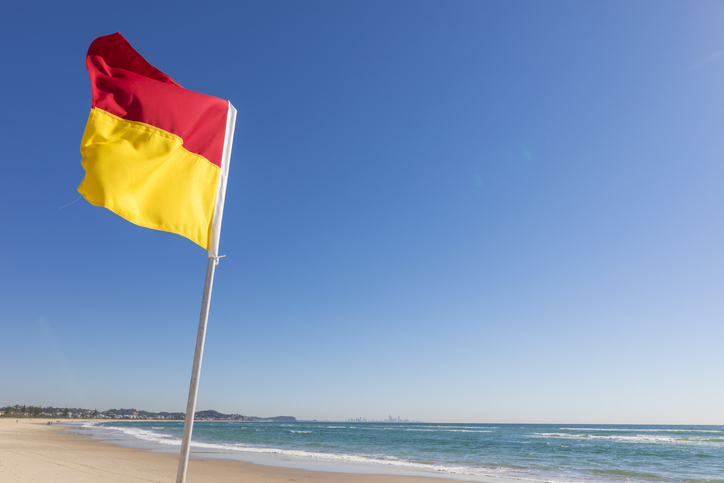
A new study from Monash University, in collaboration with Life Saving Victoria, has revealed only 14 per cent of South Korean university students surveyed understood red and yellow safety flags correctly, with over 70 per cent interpreting them as signalling a danger zone.
The study, led by drowning prevention researcher Dr Masaki Shibata, surveyed 163 university students studying in South Korean universities about intended behaviours on Australian beaches and interpretation of beach safety signage.
Dr Masaki Shibata, said the lack of beach safety knowledge is concerning, particularly given the high drowning rates among South Koreans in Australia.
“These students see Australia as a beach destination where they can swim in the water, but many have limited experience swimming in the ocean back home. When beach safety signs are misinterpreted or not understood, it puts their lives at risk.”
The study also found that almost none of the participants understood signage warning terms such as ‘rip currents’ or ‘shore dump’, with many misunderstanding shore dump as a warning about dumped rubbish. Only 7 per cent fully understood rip currents’ Korean translation, ‘iallyu’.
With the study revealing translation issues of beach safety signage, Dr Shibata said instead of focusing on finding the best translations, some signage terms in English need to be revisited to provide compatibility between English and other languages.
“Our research shows that if the original English terms are vague or culturally unfamiliar, translations into other languages are likely to be confusing too. Our study found that in Google Translate, shore dump is translated as coastal dump in Korean, while shore break is translated as shore relaxation. Improving the clarity of the English signage is a crucial first step toward creating translations that international visitors can understand. This is especially important now, as warmer weather brings more people to the beach and increases the risk of preventable drownings.”
The study also tested how sign colour affects behaviour. When ‘beach closed’ signs featuring red and yellow backgrounds were displayed, 80 per cent of participants interpreted the red background as indicating a high level of warning. When a dangerous current sign with a yellow background was shown alongside images of people in the water, nearly half of the respondents indicated they would still choose to enter the water despite the warning message.
Whilst yellow is the internationally recognised colour used to indicate caution and is widely used on warning signs across Australia, this new research highlights the importance of reviewing how colour and design influence how people notice and respond to beach warning signs.
“Red is universally recognised as a warning colour. This research suggests that using red backgrounds for high-risk signage could be a more effective way to communicate danger to international beachgoers,” Dr Shibata said.
The research team concluded this study by providing science-based recommendations for improvement. As Australia heads into the peak beach season, Dr. Shibata said this study offers a timely recommendation for authorities to consider how beach safety messages can be improved – language and design of signage – to help prevent future tragedies and ensure everyone can enjoy Australia's coastline safely.
- ENDS -
MEDIA ENQUIRIES
Dr Masaki Shibata
Drowning prevention researcher
P: +61 411 783 188
Kim Loudon
Media Manager
P: +61 458 281 704
GENERAL MEDIA ENQUIRIES
Monash Media
P: +61 3 9903 4840
For more experts, news, opinion and analysis, visit Monash News