Australia's peak medical specialist training bodies are urging the federal government to establish dedicated regional specialist training centres, warning the current system is failing to produce enough specialist doctors for rural and regional communities.
The proposed training hubs would allow doctors to complete the same high-quality specialist training in regional areas that they currently must leave their communities to access.
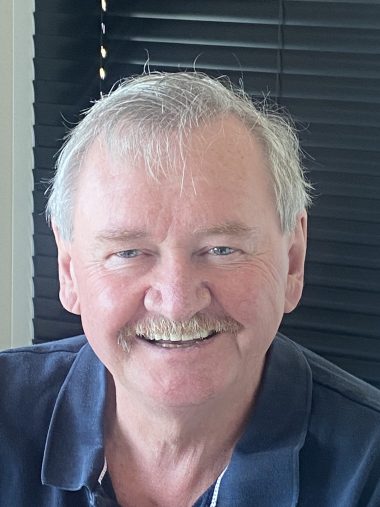
Council of Presidents of Medical Colleges (CPMC) Chair Associate Professor Sanjay Jeganathan said doctors who complete specialist training in regional areas are more likely to remain there long-term.
"The majority of specialist training remains metro-centric, which takes people out of the regions. We need to flip this. Doctors who train in the bush, stay in the bush," Associate Professor Jeganathan said.
"Rural and regional Australians wait too long for specialist care. A network of multi-speciality training hubs would change that. With government partnership, we can create a stable pipeline of doctors for rural and regional Australia by ensuring young doctors can complete the same high-quality specialist training close to where they are needed most," Associate Professor Jeganathan said.
Rural Australia has just 2. 7 doctors per 1,000 people compared to 4.3 in cities, contributing to significant health outcome disparities.
The colleges are proposing five dedicated regional training hubs where registrars across multiple specialities could train together, creating a sustained rural pipeline and addressing workforce maldistribution.
"We need a coordinated approach with Commonwealth investment in dedicated multi-speciality training infrastructure," Associate Professor Jeganathan said.
Successful pilot programs in regional Victoria for anaesthetists and rural radiologist training have demonstrated the model works with sustained coordination and multi-year funding commitments.
CPMC, which represents the 16 medical colleges that train Australia's future specialist workforce, will present the proposal at a government workshop in Adelaide this week.
The workshop will examine options for overhauling the program with support from consultants KPMG, building on initiatives like the $8.3 million Flexible Approaches to Training for Enhanced Skills (FATES) program.
"We've done great work putting selection criteria in place - prioritising rural origin candidates and those who did their undergraduate medical training in the regions. The next piece is to train specialists in the bush."
"If we establish these regional training hubs, Australia would see a steady flow of rural specialists within four to five years," Associate Professor Jeganathan said.
About us:
The Council of Presidents of Medical Colleges (CPMC) is Australia's peak body representing specialist medical colleges.
Contact details:
Jodie Long, CEO
M: 0474 473 493
W: www.cpmc.edu.au