

Skip to content
Political

The real cost of renewable energy – jobs going overseas

Family First Party 2 mins read

Premier Peter Malinauskas’ love of renewable energy is putting $20 billion in job-creating BHP investment in South Australia at risk, according to Family First.


Upper House candidate Deepa Mathew said news buried in the business section of The Australian newspaper revealed that expensive and unreliable energy was making South Australia an unattractive place to invest.


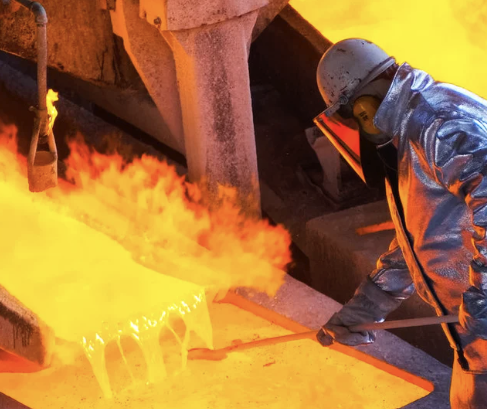
BHP Billiton was fast-tracking big copper mining investments in South America but slow-walking South Australia because of the government’s decarbonisation priority and too much red tape.


The Australian reported that BHP was “cautiously advancing its $20bn-plus investment to dramatically expand copper production in South Australia – a megaproject which could deliver another nation-defining resource play to rival the Pilbara”.


The mega project known as Copper SA was drifting and with BHP putting of a decision on an energy intensive smelter until 2028.


The Australian reported:


“The energy crisis is stark. ABS inflation figures this week show electricity costs in Australia have surged 22 per cent in two years, excluding rebates. Costs here are two or more times higher than in Canada and other countries where BHP operates, and 50-100 per cent higher than in the US.”


Ms Mathew said South Australia was saddled with massive government debt and needed wealth-creating projects like Copper SA so families could once again flourish economically.


“Peter Malinauskas is letting investment slip through South Australia’s fingers to South America and that is putting pressure on families.


“It’s time for ideology to stop driving energy policy.


“To take the pressure off families, South Australia needs abundant, cheap and reliable energy so industry can invest and create the jobs our kids need.


“Windmills farms and solar factories can’t do it and there is no battery in existence that can power a city let along a copper smelter.”


Ms Mathew said Family First would always prioritise cheap and reliable energy like gas, coal and in the future uranium over expensive and ideologically driven windmills and solar factories.


Contact details:

[email protected]

Media

More from this category

  • Political, Transport Automotive
  • 01/04/2026
  • 22:34
Sustainable Cities - Better Buses Campaign

Albo says ‘Catch the bus,’ but fuel crisis exposes broken bus network in Melbourne’s west

PM urges Australians to use public transport in the current fuel crisis, but in Melbourne’s West, the broken bus network leaves families with no choice. This evening, Prime Minister Anthony Albanese addressed the nation, interrupting television and radio broadcasts to announce measures to tackle the worsening fuel crisis as a result of the war in the Middle East. In his speech, he urged Australians to reduce fuel use, stating “if you can switch to catching the train or bus or tram to work, do so.” While inner-city communities have access to frequent trains, trams and buses, in the outer suburbs…

  • Political, Transport Automotive
  • 01/04/2026
  • 22:25
Sustainable Cities - Better Buses Campaign

Fuel crisis exposes broken bus network in Melbourne’s west

PM urges Australians to use public transport in the current fuel crisis, but in Melbourne’s West, the broken bus network leaves families with no choice. This evening, Prime Minister Anthony Albanese addressed the nation, interrupting television and radio broadcasts to announce measures to tackle the worsening fuel crisis as a result of the war in the Middle East. In his speech, he urged Australians to reduce fuel use, stating “if you can switch to catching the train or bus or tram to work, do so.” While inner-city communities have access to frequent trains, trams and buses, in the outer suburbs…

  • Community, Political
  • 01/04/2026
  • 09:00
ACOSS

ACOSS calls for measures to help people most at risk, and to support critical community services

Australia’s community services sector is experiencing direct impacts from fuel supply disruption and price increases combined with extreme weather incidents, prompting ACOSS to urge the government to work collaboratively towards cohesive, targeted action. An emergency consultation undertaken by ACOSS with national members has found a significant increase in calls for help from people most at risk, and pressure on frontline services particularly in regional and remote areas. Amidst fuel shortages and grocery prices rising, frontline services are hearing increasing reports of people on lower incomes having to make impossible choices and going without necessities like food and medicine to get…

Media Outreach made fast, easy, simple.

Feature your press release on Medianet's News Hub every time you distribute with Medianet. Pay per release or save with a subscription.