A Greener Christmas
Sustainable gifts that won’t end up in landfill
This Christmas, WaterAid Australia is encouraging you to rethink traditional gift-giving and choose a present that has no waste, minimal carbon impact and life-changing benefits for communities around the world, Gifts for Life.
Annually, Australia produces around 76 million tonnes of waste. During the festive season, the amount can increase by over 25%.
Traditional Christmas gifts such as toys and clothes often carry a high environmental cost. Carbon-intensive manufacturing, global freight emissions and materials that can take centuries to break down.
WaterAid’s Gifts for Life provide a meaningful, sustainable alternative to products eventually destined for landfill or those with high production and shipping footprints.
Each gift helps fund vital clean water, sanitation and hygiene projects in countries including Papua New Guinea, Timor-Leste and Cambodia.
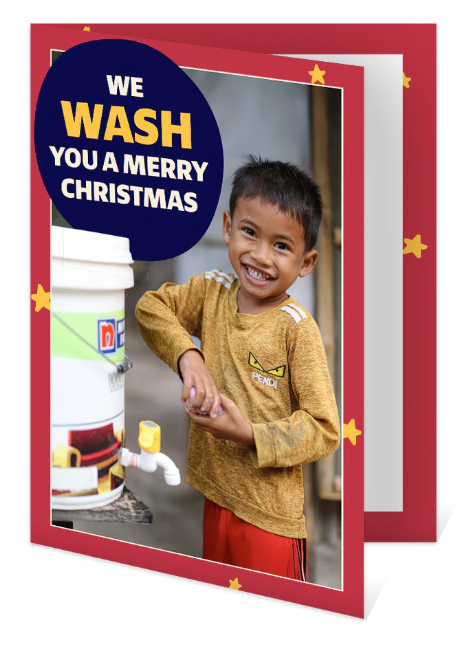
Gifts for Life gives you the option to send a printed card or choose a digital e-card, eliminating transport emissions altogether. No plastic packaging, no short-lived gifts and no unwanted clutter.
Whether it’s helping install a village tap, providing materials for a handwashing station, or supporting the construction of a toilet, each gift contributes to long term change.
These are investments that benefit people and the planet, improving health outcomes, saving time for women and girls and enabling communities to better withstand the impacts of climate change.
This Christmas, WaterAid asks Australians to choose a gift that reflects their values and supports a more sustainable future, for the planet and for communities worldwide.
-ENDS-
About us:
WaterAid
WaterAid is an international not-for-profit determined to make clean water, decent toilets and good hygiene normal for everyone, everywhere within a generation. We work alongside communities in 22 countries to secure these three essentials that transform people’s lives. Since 1981, WaterAid has reached 28 million people with clean water and nearly 29 million people with decent toilets.
To find out more visit www.wateraid.org.au follow @wateraidaustralia on Instagram, @WaterAidAus on Twitter, or find WaterAid Australia on Facebook at www.facebook.com/wateraidaustralia
· 696 million people in the world – almost one in ten – don’t have clean water close to home.1
· 2.2 billion people in the world – more than one in four – don’t have safe water.1
· Almost 2 billion people in the world – one in four – lack soap and/or water to wash their hands at home, if they have a place at all.1
· 1.5 billion people in the world – almost one in five – don’t have a decent toilet of their own.1
· 570 million people in the world – 1 in 14 – have a decent toilet but have to share it with people outside their family. This compromises the privacy, dignity and safety of women and girls.2
· Almost 400,000 children under five die every year due to diseases caused by unsafe water, sanitation and hygiene. That's more than 1000 children a day, or almost one child every one and a half minutes.2
· Investing in safely managed water, sanitation and hygiene services provides up to 21 times more value than it costs.3
[1] WHO/UNICEF (2023). Progress on household drinking water, sanitation and hygiene 2000-2022: special focus on gender. Available at: washdata.org/reports/jmp-2023-wash-households-launch (accessed 11 Jul 2023).
[2] WHO (2023). Burden of disease attributable to unsafe drinking-water, sanitation and hygiene: 2019 update. Available at: who.int/publications/i/item/9789240075610 (accessed 24 Jul 2023).
[3] WaterAid (2021). Mission-critical: Invest in water, sanitation and hygiene for a healthy and green economic recovery. Available at: washmatters.wateraid.org/publications/mission-critical-invest-water-sanitation-hygiene-healthy-green-recovery (accessed 1 Nov 2023).
Contact details:
For more information, please contact:
Tegan Dunne, Communications Manager, WaterAid Australia [email protected]
0415174589