

The Aboriginal Medical Services Alliance Northern Territory (AMSANT) and Menzies School of Health Research (Menzies) say a Territory-designed hepatitis B program (Hep B PAST) is showing evidence of transforming liver cancer outcomes for Aboriginal people—with survival rates now three times higher than in the mid-2000s.
New data shows the NT has recorded the largest decrease in hepatitis B mortality of any Australian jurisdiction. This improvement aligns with the expansion of the Hep B PAST program and its companion workforce training, Managing Hepatitis B, which are now recognised nationally as leading models for early detection and culturally safe chronic hepatitis B (CHB) care.
Aboriginal and Torres Strait Islander people are six times more likely to develop liver cancer and have a 30% higher mortality rate, driven largely by CHB. While cancer mortality has fallen overall, liver cancer has remained a major burden—particularly in remote communities where access to screening, diagnosis and treatment is limited.
Menzies Professor Jane Davies, who leads Hep B PAST, said early diagnosis and coordinated care are driving real improvement.
‘The data shows liver cancer survival for Aboriginal people in the NT has tripled since 2006,’ Professor Davies said. ‘This is an extraordinary shift, and it reflects the combined impact of early detection, patient-centred care and the trust and knowledge built through Hep B PAST and targeted workforce training.’
Deputy lead Dr Paula Binks said, ‘People are being diagnosed earlier, receiving appropriate treatment, and staying engaged in care—and that simply wasn’t happening before.’
Hep B PAST, established in 2018 after years of groundwork with remote communities, brings a ‘one‑stop liver shop’ directly into remote communities, providing blood tests, ultrasounds and follow‑up care in a single visit, delivered in partnership with Aboriginal community controlled health services (ACCHSs).
An accompanying app provides hepatitis B education in 11 Aboriginal languages, helping people understand their diagnosis and care needs.
Evaluation shows the program is significantly improving the hepatitis B cascade of care:
- people diagnosed rose from 60% to 99%
- people engaged in hepatitis B care was 86%, whereas previously no data was available
- anti-viral treatment uptake increased from 3.2% to 24%
- more people are undergoing liver cancer surveillance and being referred for treatment at an earlier stage of disease
- treatment uptake for liver cancer has increased as trust and continuity of care have strengthened.
Miwatj Health has been actively implementing the Hep B PAST program at its Galiwin'ku clinic and has seen a noticeable increase in people engaging in treatment earlier and with more confidence.
‘We’ve seen more Yolngu community members not only starting treatment, but starting sooner — including people travelling from Galiwin'ku to Adelaide for specialist care,’ said Dr Lou Sanderson, general practitioner and Director of Medical Services at Miwatj Health.
‘In the past, leaving family and Country for unfamiliar treatment was daunting. Through Hep B PAST, people now receive information in language, understand their care, and feel confident to take that next step. It’s made a huge difference.’
The companion Managing Hepatitis B training program—co-designed with Aboriginal health workers—has trained more than 200 staff across the NT and is now accredited and the NT program has expanded to Far North Queensland, with requests from Western Australia.
The program strengthens local workforce capability and health literacy, ensuring Aboriginal health workers remain central to diagnosis, education and long-term care.
AMSANT Chair Rob McPhee said the results show what is possible when Aboriginal-led, community‑controlled models are properly resourced.
‘This is an NT success story. We know that Aboriginal people are too often diagnosed later, receive less treatment and experience higher mortality. Hep B PAST shows that when we invest in local leadership, language, trust and community-designed programs, we can turn that story around,’ Mr McPhee said. ‘This is exactly what Closing the Gap looks like in practice.’
Both AMSANT and Menzies say sustained funding is essential as liver cancer rates continue to rise, and as the next round of data is expected to show even greater improvement.
‘We are on the right trajectory,’ Professor Davies said. ‘But without ongoing support for screening, treatment pathways and workforce capacity, we risk losing the gains we’ve worked so hard to achieve.’
Mr McPhee said this is a moment of opportunity. ‘We have a proven model that works. It is culturally safe, nationally recognised, and delivering real health gains,’ he said. ‘If we continue to back community-led care, we can save lives, reduce cancer inequalities and support healthier futures for the next generation.’
ENDS
APPENDIX
HEP B PAST partner investigators:
- ASHM Health
- Cairns and Hinterland Health Service
- Cancer Council Australia
- Central Australian Aboriginal Congress (CAAC)
- Danila Dilba Health Service
- Hep B Voices Australia
- Hepatitis Australia
- Katherine West Health Board (KWHB)
- Mala’la Health Service
- Marthakal Homelands and Resource Centre Aboriginal Corporation (MHRCAC)
- Miwatj Health Aboriginal Corporation
- Menzies School of Health Research
- Northern Territory Aids and Hepatitis Council
- Northern Territory Health
- Red Lily Health Board
- Sunrise Health Service Aboriginal Corporation
- The National Aboriginal Community Controlled Health Organisation (NACCHO)
- Wurli-Wurlinjang Health Service
- National Health and Medical Research Council (NHMRC)
- Australian Government Department of Health Disability and Ageing
- Australian Centre for Disease Control (Australian CDC)
IMAGE:
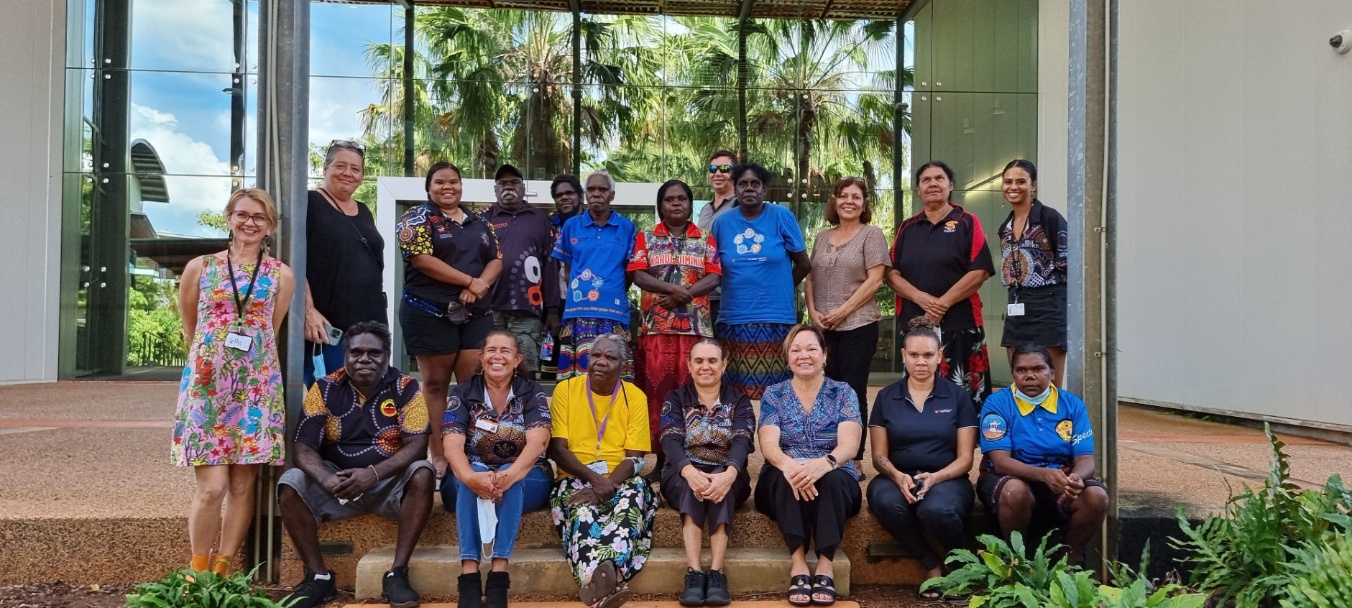
Figure 1: The Managing Hepatitis B training program has trained more than 200 staff across the NT
Contact details:
Amy Price, 0437 027 156