
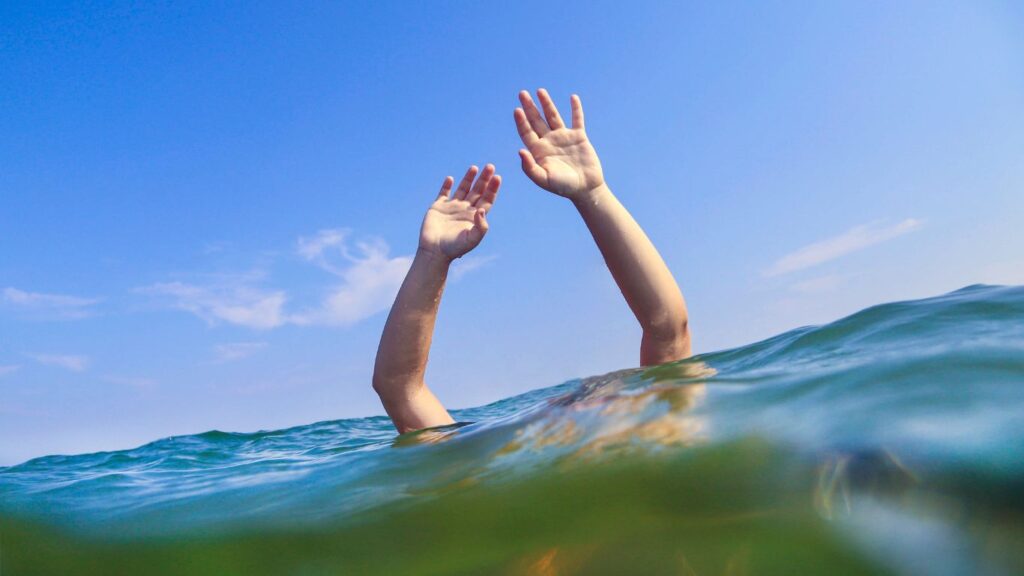
- 357 drowning deaths occurred in Australia in the year to June 30, marking a 27% increase on the 10-year average
- Last summer saw 102 drowning deaths between December-February, with 17 deaths occurring during the Christmas period (25 Dec-1 Jan)
- 43% of drownings occurred in coastal locations, 34% in inland waterways, and 10% in swimming pools
- Immediate CPR can improve drowning survival rates by up to 50% generally, and up to 79% for pool drownings
- Every minute CPR is delayed reduces survival chances by approximately 10%, emphasising the need for prompt action
Would you know what to do if someone you loved was drowning? Could you save a life in a drowning emergency?
With Australia in the middle of the most dangerous drowning period of the year, a leading first aid training organisation is urging Australians to refresh their lifesaving skills in the New Year.
National First Aid Courses Director Samuel Bohr said drowning statistics consistently show a sharp increase over the warmer months, particularly during the Christmas holiday period.
“Learning the basics of first aid, or simply reacquainting yourself with CPR, could mean the difference between life and death,” Mr Bohr said.
“Summer is when families spend more time around beaches, rivers, pools and coastal waterways, and that’s exactly when the risk escalates.”
According to the National Drowning Report 2025 by Royal Life Saving Australia, there were 357 drowning deaths in the 12 months to June 30, which marked a 27 per cent increase on the 10-year average.
But Mr Bohr stressed the most dangerous period is right now. Last summer alone, 102 drowning deaths occurred between December 1 and February 28, equating to more than one death every day.
“Concerningly, the Christmas break was the deadliest period, with 17 people drowning between December 25 and January 1 last year,” he said.
In terms of where those drownings occurred, 43 per cent were in coastal locations, including 82 beach drownings, 34 per cent were at inland waterways, including 99 river drownings, and 10 per cent occurred in swimming pools.
While those statistics are alarming, Mr Bohr said an array of data indicated immediate first aid could increase the likelihood of survival.
“Immediate CPR can improve drowning survival rates by up to 50 per cent,” Mr Bohr said.
“In the case of pool drownings, immediate first aid is even more effective, increasing survival rates by up to 79 per cent.”
But taking effective action quickly is essential.
“Every minute that CPR is delayed reduces the chance of survival by approximately 10 per cent,” Mr Bohr said.
“That makes now an ideal time to undertake a quick first aid course or brush up on your CPR skills to ensure your reaction is instant and effective.”
First aid for drowning - Act immediately
DRSABCD Action Plan
D - Danger: Ensure the area is safe for you and the victim. Remove the person from the water as quickly as possible without endangering yourself.
R - Response: Check for a response by "squeezing shoulders and shouting".
S - Send for Help: Call Triple Zero (000) immediately. If a bystander is present, have them call while you start assessment.
A - Airway: Open the mouth and check for obstructions. Only roll onto the side to clear the airway if it is blocked by vomit or foreign matter.
B - Breathing: Look, listen, and feel for normal breathing for up to 10 seconds. If they are not breathing normally (including occasional gasps), start CPR.
C - CPR:
Adults: 30 chest compressions (1/3 depth of chest) followed by 2 rescue breaths.
Infants (<12 months): 30 compressions using two fingers, followed by 2 gentle puffs (no head tilt).
D - Defibrillation: Apply an Automated External Defibrillator (AED) as soon as it arrives. Briefly dry the chest before attaching pads, but do not delay CPR.
If the casualty regains consciousness, roll them onto their side to aid breathing and prevent choking.
Ensure they receive urgent medical assessment.
Drowning can cause delayed and long-term complications, making medical assessment critical.
Mr Bohr said investing just a few hours in first aid training could save a life this summer.
“Drowning is fast, silent and devastating, but it’s also preventable. Being prepared is one of the most powerful ways Australians can protect their loved ones this summer,” he said.
ENDS
Sources:
About us:
About National First Aid Courses
National First Aid Courses is a leading provider of nationally recognised face-to-face First Aid training, with courses available in NSW, Victoria and Queensland.
Contact details:
Samuel Bohr
Director National First Aid Courses
Email: [email protected]
Ph: 1300 677 191
Website: https://nfac.edu.au/