Results at a glance:
■ Tasmanian farmer sentiment continues to sit well above national levels.
■ Optimism is driven by commodity prices and improved seasonal conditions.
■ Cost of production did temper positivity as farmers budget for increasing input costs.
Tasmanian farmers are finishing the year continuing to lead the nation as the most confident agricultural producers in Australia.
Farmer sentiment in the state is being supported by strong commodity prices and improved seasonal conditions, the latest Rabobank Rural Confidence Survey, released today, has found.
Although overall net rural confidence in the state eased back slightly to 31 per cent (down from 34 per cent last quarter), it remains well above the national net rural confidence level of 14 per cent.
Looking ahead, 37 per cent of Tasmania’s farmers have an optimistic outlook on the agricultural sector over the next 12 months (down from 42 per cent with that view last quarter), and only five per cent expect conditions to get worse (was eight per cent). And the majority of the state’s farmers expect conditions will stay the same (54 per cent, up from 50 per cent last quarter).
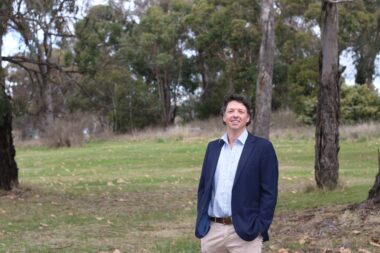
Rabobank area manager for Tasmania Stuart Whatling said the slight easing in farmer sentiment reported this survey reflected “realistic expectations rather than deteriorating conditions”.
“Across sheep and beef sectors, producers are experiencing strong prices, with wool also improving and there’s a strong expectation this status quo will be maintained over the coming year,” he said.
Rising commodity prices remain a central driver of rural confidence in Tasmania, where 60 per cent of farmers surveyed expect higher prices – slightly less than 66 per cent with that view last quarter.
Across all commodities, the state’s sheep producers had the strongest lift in confidence, with 57 per cent expecting conditions to improve – a surge from 29 per cent in the previous quarter.
“Demand for store lambs is expected to be intense over summer, supported by feed availability which remains better than average in many areas,” Mr Whatling said.
The majority of Tasmania’s dairy farmers expect conditions to stay the same (83 per cent, up from 38 per cent), while beef producer confidence also held steady, with half still expecting conditions to remain unchanged.
"The high beef prices in recent times have also translated to increased income for the dairy sector, benefiting milk producers with cull cows or a beef component to their business,” Mr Whatling said.
He said a colder-than-usual spring, which slowed pasture growth in many regions, had failed to dampen Tasmanian farmers’ seasonal outlook.
Drought has eased as a concern for Tasmanian farmers this survey – which was completed last month – with only 20 per cent worried about seasonal conditions (was 26 per cent). This was countered by 37 per cent still citing improved seasons as a cause for optimism (was 44 per cent).
“What could have been a bumper spring has been held back by very cold conditions, but rainfall has been adequate in most regions,” Mr Whatling said.
“The Bureau of Meteorology is not signalling a strong seasonal bias or imminent heat risk, underpinning producers’ cautious optimism about what summer has in store.”
With concerns about falling commodity prices easing for Tasmanian farmers this quarter (only cited by 11 per cent of respondents, down from 28 per cent last quarter) rising input costs remained the dominant economic worry across all commodities.
“When we talk cost of production, it’s moved beyond high fertiliser, chemical and fuel prices,” Mr Whatling said. “Producers now face increased costs across machinery, labour, insurance, repairs and other general operating expenses.
“Every aspect of running a farm business has become more expensive and producers are very aware that while prices are good, rising costs are absorbing a lot of that upside.”
On the back of rising costs, 11 per cent of Tasmanian farmers indicated they would decrease investment in their farm business over the coming year – up from zero with that intention last quarter. However, this was more than outweighed by the proportion planning to increase investment, which surged to 42 per cent (from 22 per cent last quarter).
A total of 47 per cent intend to maintain current levels of spending on their farm businesses (down from 78 per cent).
On-farm infrastructure continues to be a key focus for Tasmanian farmers, with 54 per cent planning to invest in fences, yards, silos and the like (down from 57 per cent). While planned investment in irrigation and water infrastructure eased this quarter (35 per cent, was 58 per cent) Mr Whatling said this reflected the timing of the survey.
"Most irrigation upgrades are completed ahead of the spring cropping period, so development intentions tend to drop off at this point in the year,” he said.
“It’s also important to view irrigation development as stage one of a much bigger investment pipeline. Once new water infrastructure is sorted, it often triggers further spending on property developments such as fencing, as well as machinery upgrades and purchasing additional livestock.
“These investments are about productivity, resilience and ensuring the farm business is set up for long-term viability.”
Interest in adopting new technologies also eased this quarter, however Mr Whatling put this down to consolidation after a period of strong investment in innovations such as virtual fencing in the dairy industry.
Expectations for higher farm income over the coming year remained relatively stable at 57 per cent of Tasmanian farmers surveyed, and business viability remains strong, with 95 per cent reporting their businesses as viable.
Mr Whatling said Tasmanian producers remain cautiously optimistic moving into summer.
“What constitutes a ‘good’ season varies across our diverse mix of commodities, but overall, Tasmanian agriculture is in a strong position,” he said. “Producers are benefiting from improved prices and relief from rain, driving their willingness to continue investing in the productivity and sustainability of their businesses.”
A comprehensive monitor of outlook and sentiment in Australian rural industries, the Rabobank Rural Confidence Survey questions an average of 700 primary producers across a wide range of commodities and geographical areas throughout Australia on a quarterly basis.
The most robust study of its type in Australia, the Rabobank Rural Confidence Survey has been conducted since 2000 by an independent research organisation. The next results are scheduled for release in March 2026.
<ends>
Media contacts:
Denise Shaw Will Banks
Media Relations Media Relations
Rabobank Australia & New Zealand Rabobank Australia
Phone: 02 8115 2744 or 0439 603 525 Phone: 0418 216 103
Email: [email protected] Email: [email protected]
About us:
Rabobank Australia & New Zealand Group is a part of the international Rabobank Group, the world’s leading specialist in food and agribusiness banking. Rabobank has more than 125 years’ experience providing customised banking and finance solutions to businesses involved in all aspects of food and agribusiness. Rabobank is structured as a cooperative and operates in 38 countries, servicing the needs of more than nine million clients worldwide through a network of more than 1000 offices and branches. Rabobank Australia & New Zealand Group is one of Australasia’s leading agricultural lenders and a significant provider of business and corporate banking and financial services to the region’s food and agribusiness sector. The bank has 87 branches throughout Australia and New Zealand.