

Skip to content
Environment

WWF: still a long way to go for koala recovery

WWF-Australia 2 mins read

Great Koala National Park a crucial reform

Pictures here: https://dams.wwf.org.au/resourcespace/?c=6411&k=b158cd6a3a

There is still a long road ahead to recover koala populations in New South Wales.

That’s the response from the World Wide Fund for Nature-Australia to the baseline estimate, released today, that there are 274,000 koalas in the state.

“We welcome the NSW government’s considerable investment to find and count koala populations. This is important information to have,” said Tanya Pritchard, WWF’s Senior Manager of Koala Recovery.

“However, it does not mean koala populations are increasing. New approaches like scanning with thermal drones, and an increased search effort means we’re getting better at finding existing koalas.

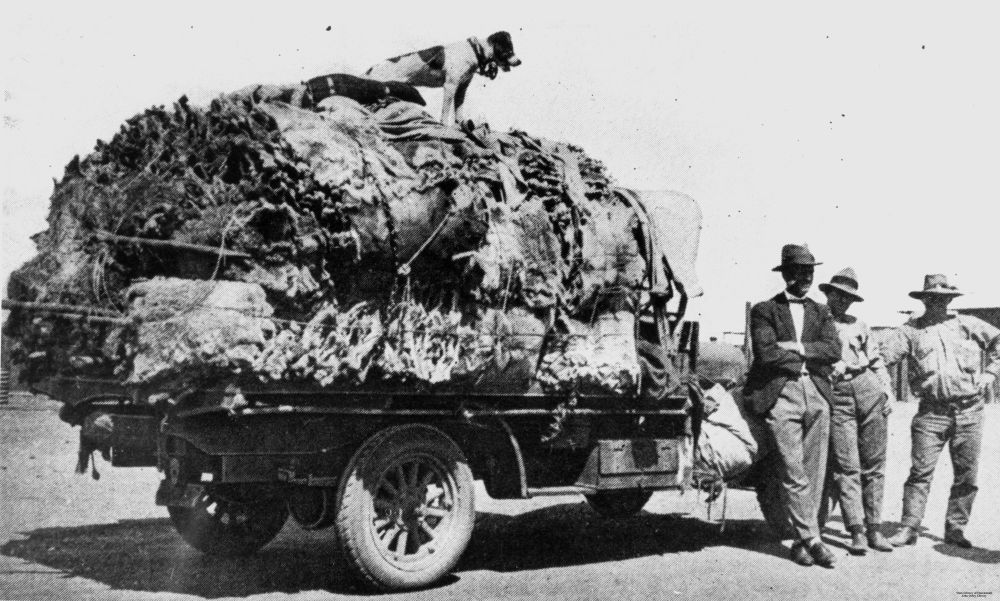
“But make no mistake, koalas have suffered a massive decline. Millions were slaughtered and their pelts exported for the fur trade from the late 1800s and into the early 1900s.
“A study last year found 29 million hectares, or 54%, of the forests and woodlands that once existed in NSW have been destroyed since European colonisation.

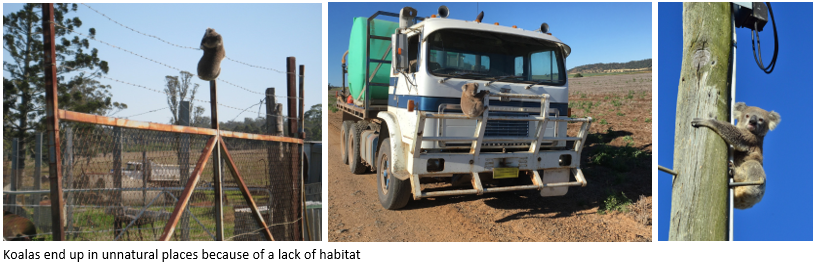
“There simply isn’t enough habitat so koalas end up on fences, up power poles, or even climb onto vehicles. Others are killed crossing roads or are attacked by dogs.

Everyday more hectares of koala forest are cleared in NSW and Queensland – destruction that must stop.
“Chlamydia is rife among populations – a disease that can cause infertility, blindness and death.  

“But many people are working hard to turn around the decline in koalas. The announcement of the Great Koala National Park by the NSW government was a game changer.

“This will be a crucial safe haven where koalas are protected in perpetuity. As the climate warms, and some areas become too hot, koalas can shelter in the tall eucalypt forests of the Great Koala National Park.

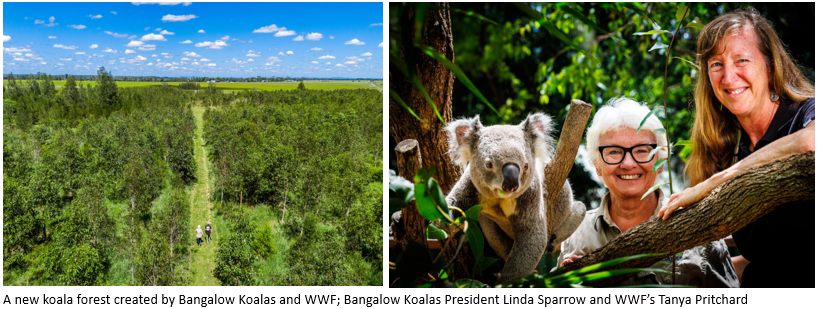
“Bangalow Koalas has planted 500,000 trees in Northern NSW to provide food and help koalas move through the landscape. WWF funded about half those trees with help from furniture brand Koala.

“WWF is also working on an initiative to provide financial incentives for landowners who plant trees in koala areas.

“Efforts to restore koala habitat on a large scale will be crucial to WWF’s aim of doubling koala numbers by 2050,” Ms Pritchard said.


Contact details:

Mark Symons

Senior Media Officer, WWF-Australia

[email protected]

m 0400 985 571

Media

More from this category

  • Environment
  • 26/02/2026
  • 13:41
Greenpeace Australia Pacific

Pacific nations would be paid only thousands for deep sea mining, while mining companies set to make billions, new research reveals

SYDNEY/FIJI, Thursday 26 February 2026 — New independent research commissioned by Greenpeace International has revealed that Pacific Island states would receive mere thousands of dollars in payment from deep sea mining per year, placing the region as one of the most affected but worst-off beneficiaries in the world.The researchby legal professorDr Harvey Mpoto Bombaka and development economist Dr Ben Tippet reveals that mechanisms proposed by the International Seabed Authority (ISA) for sharing any future revenues from deep sea mining would leave developing nations with meagre, token payments. Pacific Island nations would receive only USD $46,000 per year in the short…

  • Contains:
  • Environment, Property Real Estate
  • 26/02/2026
  • 09:15
Renew

Record Interest Expected for Australians Opening Homes to Cut Energy Bills and Improve Climate Resilience

Record Interest Expected for Australians Opening Homes to Cut Energy Bills and Improve Climate Resilience Thursday 26 February 2026: Australian households are leading one of the fastest clean energy transformations in the world, installing rooftop solar, embracing home batteries and upgrading for resilience, and this May, many will open their doors to show others how it’s done. On Sunday 17 May 2026, Sustainable House Day (SHD) returns, inviting homeowners and renters across the country to open their doors and showcase practical solutions that make homes more comfortable, affordable and climate-ready. Hosted by not-for-profit organisation Renew, Sustainable House Day is Australia’s…

  • Agriculture Farming Rural, Environment
  • 26/02/2026
  • 05:00
UNSW Sydney

What lies beneath: tapping into Australia’s hidden waters

Key Facts: It runs from our taps, keeps crops alive and rivers flowing – yet no one knows exactly how much groundwater we have, or how often it’s renewed. UNSW researchers are venturing underground to find out.UNSW research is looking at when groundwater recharges, and how climate change is affecting that process. Groundwater supplies the majority of Australia’s drinking and irrigation water, but scientists still don’t fully understand how rainfall translates into recharge below the surface – particularly as climate change shifts rainfall patterns toward fewer, more intense events. Our combined engineering and science teams are tracking how water moves…

Media Outreach made fast, easy, simple.

Feature your press release on Medianet's News Hub every time you distribute with Medianet. Pay per release or save with a subscription.