A portable biosensor developed at La Trobe University may allow rapid, on-site detection of toxic “forever chemicals” in water, removing the need for samples to be sent to specialist laboratories.
The device is designed to detect per- and polyfluoroalkyl substances (PFAS), a group of more than 15,000 synthetic chemicals used in products such as firefighting foams, food packaging and stain-resistant fabrics.
PFAS are highly persistent in the environment and have been linked to serious health risks, including cancer. Specifically, the sensing device detects PFOA (perfluorooctanoic acid), which is among the most regulated PFAS.
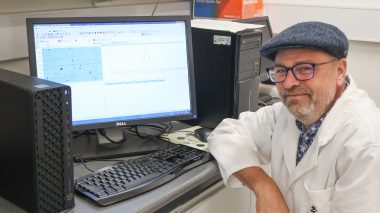
Led by PhD student Henry Bellette and Dr Saimon Moraes Silva, Director of La Trobe’s Biomedical and Environmental Sensor Technology (BEST) Research Centre, the research has been published in the journal ACS Sensors.
Bellette said current PFAS-testing methods limited how often and where water could be monitored.
“Most PFAS testing relies on expensive laboratory equipment and specialist analysis, which makes regular monitoring difficult,” he said.
“This biosensor could be used on site and provides a simple yes or no result, allowing water to be screened quickly and easily.”
PFAS contamination has been identified across Australia, particularly at sites where firefighting foams were historically used, including airports, military bases and fire stations.
Dr Moraes Silva said portable screening tools would play an important role in managing long-term contamination.
“PFAS do not break down in the environment, so monitoring is an ongoing challenge,” he said.
“A portable screening tool could allow more frequent testing, particularly in regional and remote areas, and help identify where more detailed laboratory analysis is needed.”
The researchers hope the technology can eventually be incorporated into a hand-held device for environmental monitoring and water screening.
Contact details:
Robyn Grace, senior manager of media and communications on [email protected] or (0420) 826 595.