AFSA has lodged a 2026–27 pre-budget submission urging the Australian Government to invest $5 million in FY2026–27 via the Medical Research Future Fund to run a time-limited pilot to validate regulatory-aligned non-animal methods (including organoids, organ-on-chip and computational models).
AFSA proposes the $5m pilot would support 8–12 translational grants ($250,000–$500,000 each)
71% of polled Australians support directing medical research grants towards developing alternative
Federal Budget 2026–27: AFSA calls for $5m pilot to validate animal-free methods and improve health research translation
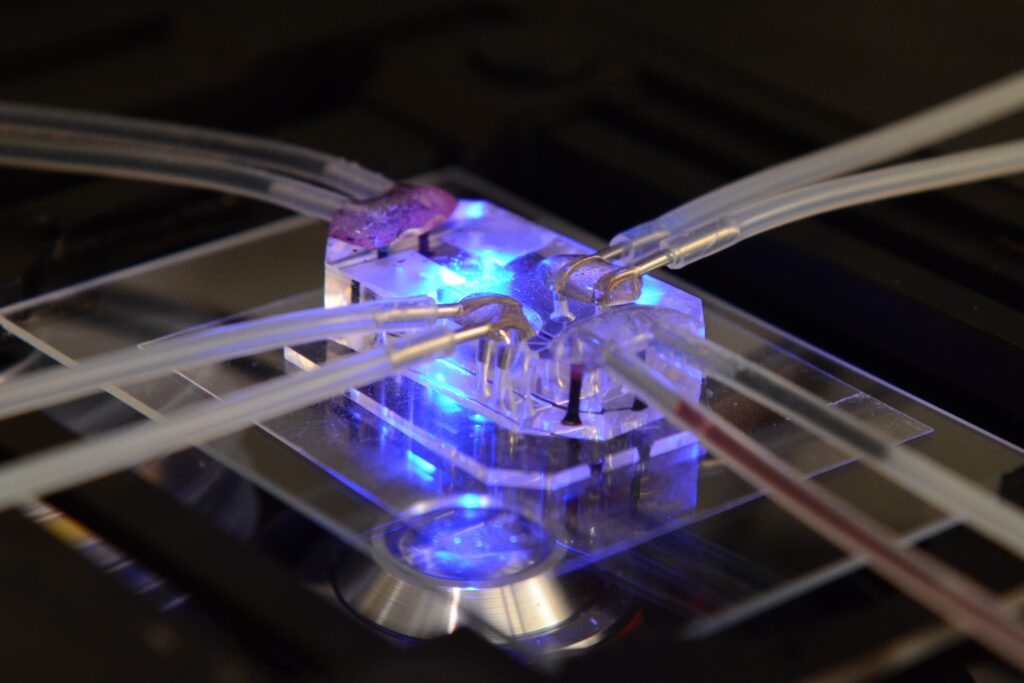
Animal-Free Science Advocacy (AFSA) has lodged a 2026–27 pre-budget submission urging the Australian Government to invest $5 million in FY2026–27 via the Medical Research Future Fund (MRFF) to establish a competitive, time-limited pilot to advance regulatory-aligned validation of non-animal research methods (NAMs)—including organoids, organ-on-chip systems and computational models.
The pilot targets a persistent translation gap: fewer than 10% of drug candidates entering clinical trials ultimately reach market approval, driving research waste, delays for patients and high development costs.
What AFSA is asking the Federal Government to fund
AFSA proposes an MRFF pilot that would:
- Invest $5 million in 2026–27 to support 8–12 translational grants of $250,000–$500,000
- Prioritise projects that accelerate regulatory acceptance and uptake (including alignment with TGA and international settings)
- Focus on priority areas such as:
- -High clinical trial failure disease areas
-Rare and neglected diseases where validated animal models are limited
-Replacing high-cost specialised models (including non-human primates) where validated NAMs can deliver better efficiency
Public support: Australians want alternatives to animal testing
Recent public polling shows strong public backing for replacement of animals in research:
- 71% of Australians support replacing animals with scientific alternatives (up from 61% in 2018)
- 71% support directing medical research grants toward developing alternatives
AFSA notes other countries are backing NAMs with major public investment and policy reform, including:
- US: National Institutes of Health committed US$87m for an organoid development centre (2025); FDA Modernization Act 2.0 and 3.0 and FDA 2025 roadmap shifting away from default animal testing where validated NAMs exist
- UK: £75m for NAMs infrastructure (2025) plus a national strategy/roadmap to phase out animal testing
- Netherlands: €124.5m to establish a Centre for Animal-Free Biomedical Translation
AFSA CEO Rachel Smith states “Australians support replacing animals with better science, and our competitors are leading the way with funding support for non-animal models. AFSA urges the Federal Government to allocate pilot funding as a vital first step to progressing the update of non-animal models in Australia.”
Supportive MPs are invited to endorse AFSA’s submission to the Minister for Health.
About us:
AFSA is a national not-for-profit organisation advocating for the replacement of animals in research in teaching with non-animal methods.
Contact details:
Rachel Smith
CEO AFSA
0415 227 815