Following the Reserve Bank of Australia’s latest decision, Melbourne is once again being described as “cheap” relative to other capitals.
Higher holding costs, tighter compliance settings, and increased policy risk are reshaping what a viable residential investment looks like in 2026.
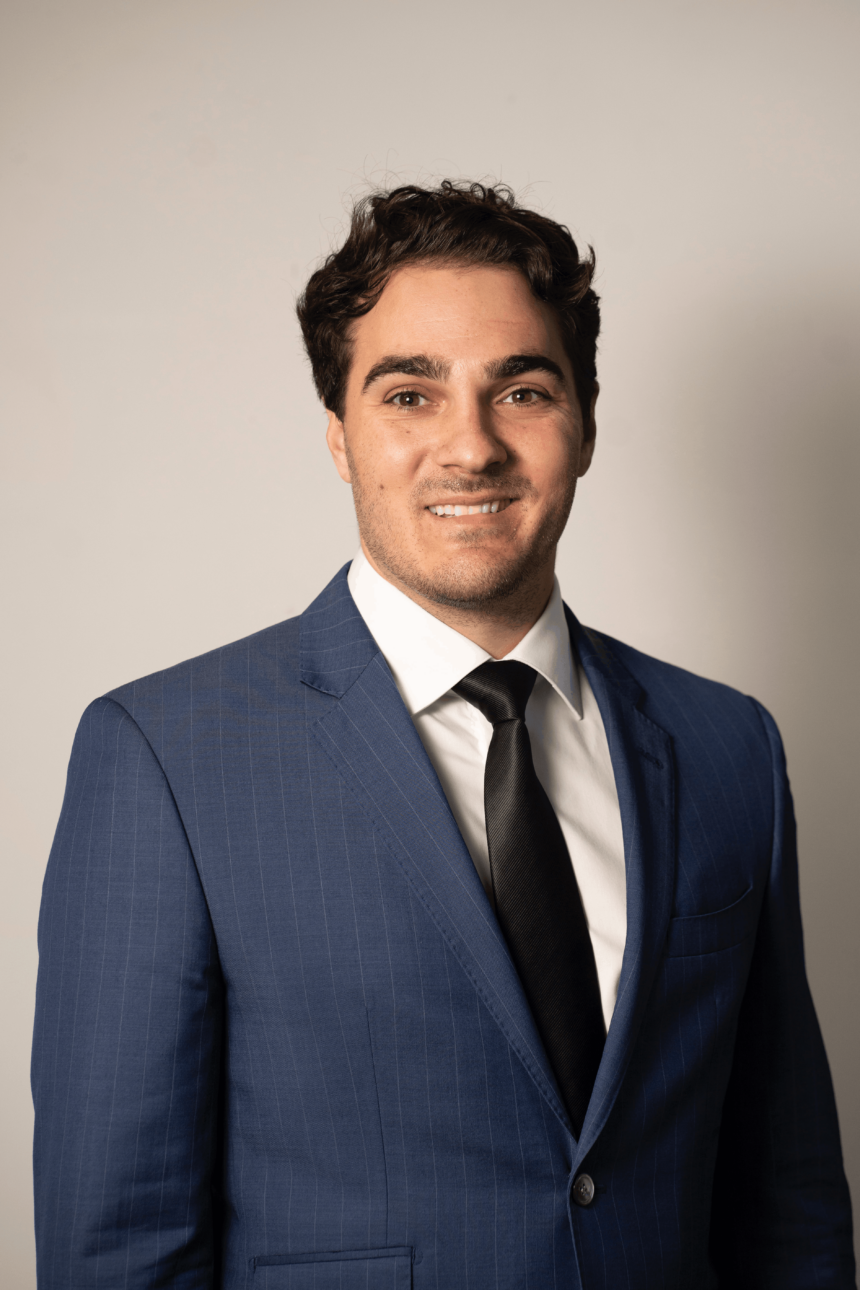
“Melbourne hasn’t become ‘cheap’ in a vacuum,” said Beau Arfi, CEO of Maple Investment Group.
“We’re seeing investors move away from passive buy-and-hold strategies and toward structures that prioritise cash flow resilience and execution certainty.”
“The cost base has shifted, regulation has tightened, and that means investors need to be far more deliberate about how deals stack up over time.”
With a Victorian state election approaching, uncertainty around housing policy, taxation, and planning settings is also influencing investor behaviour.
“We’re seeing investors place much greater weight on certainty,” Arfi said. “People can adapt to higher or lower prices, but volatility and unclear rules make it harder to plan, finance, and hold assets with confidence."
Rather than chasing capital growth narratives alone, investors are increasingly prioritising yield resilience, conservative assumptions, and strategies that can absorb higher holding costs.
“Even small changes in interest rates, land tax, or compliance can materially affect borrowing capacity and cash flow,” Arfi said. “That’s pushing buyers to reassess what’s realistic – not because demand has disappeared, but because the margin for error has narrowed.”
This shift is also changing where and how investors deploy capital.
Instead of concentrating solely on inner-city locations, many are targeting areas where fundamentals support sustainable cash flow and long-term delivery, even if headline price growth is slower.
“Melbourne’s affordability is bringing people back to the table,” Arfi said. “But the playbook has changed. The opportunity still exists. It now rewards investors who understand the full equation, not just the entry price.”
These dynamics are expected to persist as planning reforms, taxation settings, and compliance expectations continue to reshape housing supply and investor risk.
For investors willing to adapt, Melbourne remains investable – but only under a new set of rules.
ENDS
Beau Arfi’s headshot available for media use here
About us:
Maple Investment Group is an Australian property investment firm specialising in residential investment strategy, construction delivery and long-term portfolio planning.
Contact details:
Jasmin Hyde
Director, Hyde & Seek Communications
[email protected]
0466 836 263