The findings of the Clean Up Australia Litter Report FY25 were released today, revealing that plastics continue to be the number one litter type found in Australia’s streets, parks, bushlands and waterways, representing 80.8% of all counted litter. Concerningly, cigarette butts, also made of plastic, are now the most littered individual item, representing 23.6% of all counted litter.
Clean Up Australia Chair, Pip Kiernan said: “Ahead of this year’s Clean Up Australia Day on Sunday 1st March, we hope that releasing this report draws attention to the changes needed to stop waste at its source. The litter that our incredible volunteers pick up is indicative of how we all live and the products we consume daily.”
Soft plastics remain a significant problem, representing 30.5% of all litter categories. Packaging continues to be a persistent challenge, representing 59.5% of all reported litter during the year. Of the individual items, cigarette butts have surged to claim the top position, overtaking soft plastics wrappers (18.6%), followed by plastic bags (8.7%).
Every item of litter removed from the Australian environment makes a difference and the enormous volunteer effort has an impact. The charity is encouraging volunteers to join Clean Up Australia Day to continue working together to care for our precious environment.
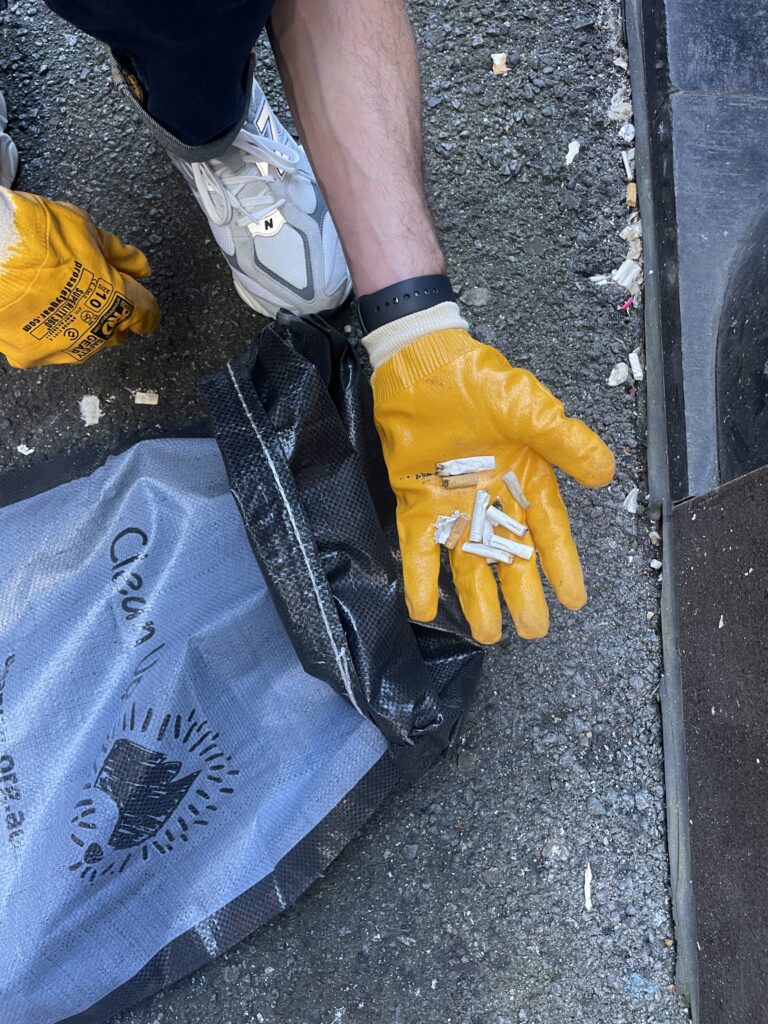
Pip Kiernan said: "It is troubling to see that cigarette butts now represent nearly a quarter of all litter collected, with an estimated 8.9 billion butts littered in Australia every year. Many in our community don’t know that the butts are actually made of plastic, and when littered, they shed microfibres, leach toxic waste, and take up to 30 years to decompose."
"The pervasiveness of plastics in our environment at 80.8% of all litter shows we cannot simply recycle our way out of this challenge. We need packaging reforms that reduce production of single-use plastics and increase reliance on reusable alternatives. We strongly support the implementation of a mandatory Extended Producer Responsibility (EPR) scheme for packaging, including soft plastics, which would ensure producers and manufacturers are responsible for the packaging they place on the market.
Although there has been a decline from FY24, beverage containers including cans, bottles and cartons remain significant contributors to litter at 14.6% combined. With Container Deposit Schemes now operational across all states and territories, we expect to see this number further decline over the coming years.
Takeaway coffee cups increased as a proportion of total litter, rising from 2.8% in FY24 to 4.3% in FY25, a form of litter easily preventable through reusable cups.
Vapes continue their concerning rise, now found at 33.9% of surveyed sites. Over three years, the number of sites reporting vapes has increased by 23.5%, highlighting the pressing need for a nationwide safe disposal system. Vapes contain batteries and toxic materials that don't belong in general waste or recycling bins.
"While we've seen positive progress with soft plastics collection and recycling, the fundamental issue remains: Australia's plastic consumption is increasing. In 2000, we consumed 1.79 million tonnes of plastic. By 2024, this had risen to 3.97 million tonnes, a 122% increase."
"Systemic change through policy and industry reform is essential, and grassroots community action continues to be paramount. One of the best ways to address our nation's litter challenges is to get your gloves on and get involved. Clean Up Australia Day is about coming together, as neighbours, as communities and as fellow Aussies for a common goal. Whether you're hitting the beach, cleaning a creek, or picking up litter in your local park, your efforts count. When we come together, we create real, visible change.”
The FY25 Litter Report is a snapshot of litter collected across Australia from July 1, 2024 to June 30, 2025. The Report has been published by Clean Up Australia for the past 35 years. Its data is openly shared, and helps inform public policy, industry practice, and community engagement.
Clean Up Australia's Litter Report FY25 and national and state-based fact sheets can be viewed HERE.
Register now at cleanup.org.au for Clean Up Australia Day on Sunday March 1, 2026.
-ENDS-
Tags and information:
Instagram @cleanupaustralia
TikTok @cleanupaustralia
Hashtags: #CleanUpAustralia #CleanUpAustraliaDay #CUAD26 #GetYourGlovesOn #LitterReport
Website: www.cleanup.org.au
About us:
Founded by Ian Kiernan, AO in 1990, Clean Up Australia is one of the country’s most recognised and trusted environmental organisations, inspiring and mobilising communities to improve and conserve our environment, eliminate litter and end waste. Clean Up Australia Day is the nation's largest community-based environmental event, and more than 23 million volunteers have participated since its inception.
Clean Up Australia works with community, schools, businesses and government to provide practical solutions to help all Australians live more sustainably every day of the year. Today the organisation’s focus is as much on preventing litter entering our environment as it is removing what has already accumulated.
Contact details:
Feature Communications on behalf of Clean Up Australia:
[email protected]
Phoebe Price, [email protected]
0410 113 449
Lisa Poisel, [email protected] 0412 151 664