
Australia’s retirement living sector is increasingly at the forefront of practical solutions to help relieve pressure on hospitals and an aged care system under strain, with co-located retirement villages and aged care facilities offering a pathway to reduce bed-blocking and support older Australians to age in place.
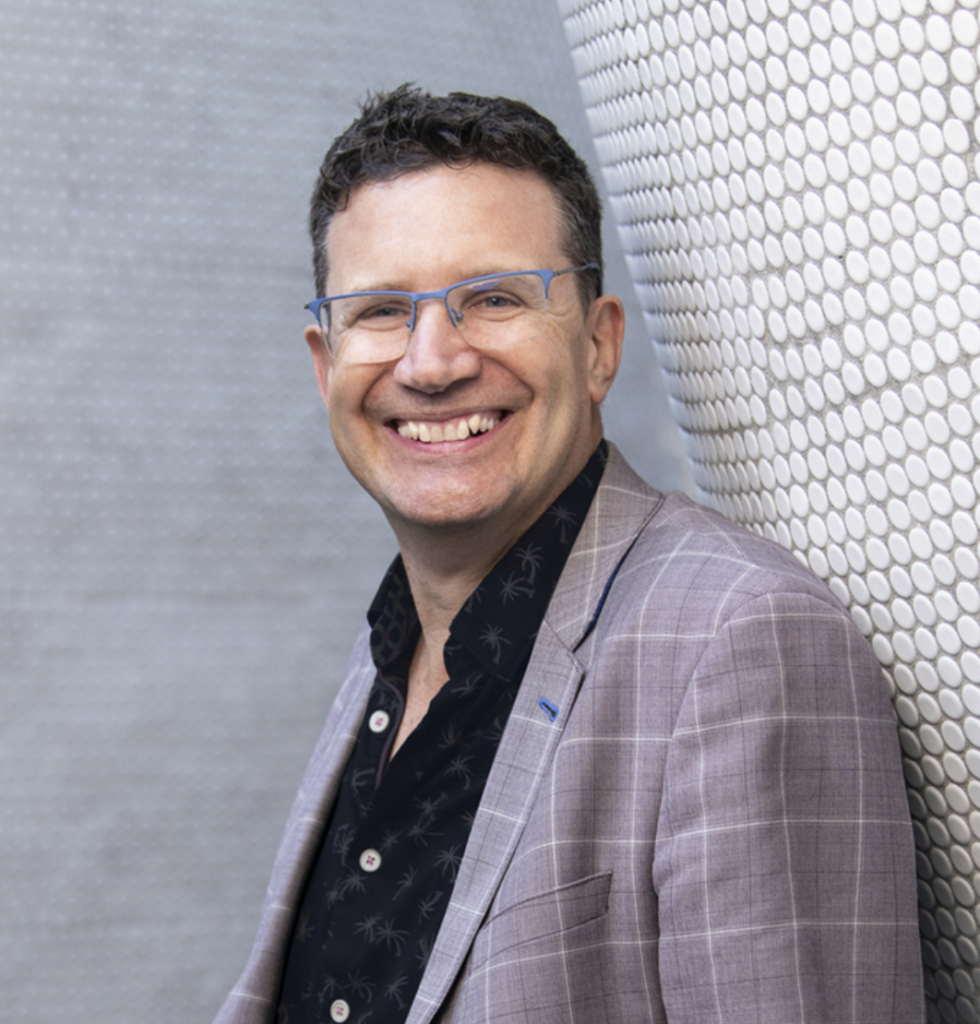
Keyton Chief Executive Officer Nathan Cockerill said the sector was fundamentally changing, moving beyond a traditional focus on property management to a more holistic model that combines lifestyle, wellness and, increasingly, care.
“As more baby boomers enter retirement, there’s an urgent need to integrate wellness and care services into retirement living communities, so people can age confidently with the support they need,” Cockerill said.
The need is becoming more visible across the health system. Recent media reports have highlighted the human cost when older Australians are stuck in hospital beds because the care they need isn’t available in the community or in residential aged care.
“It’s a situation that is distressing for patients and families, while tying up beds other patients urgently need,” Cockerill said.
“Moreover, it is costing state governments millions of dollars weekly, and the pressure is compounded by delays in accessing in-home support.”
The federal government has flagged hundreds of thousands of seniors are waiting for home care, across priority categories, leaving some older Australians without timely services to recover at home safely, avoid admission, or transition out of hospital.
Cockerill said retirement living, particularly when co-located with aged care and supported by home care, can form part of a preventative approach that reduces downstream pressure on hospitals and the aged care system.
“Unlike older models that separated independent living from aged care, the new approach must accommodate gradual increases in care needs,” he said.
“That can range from short-term support after an injury or diagnosis to longer-term assistance as residents age.
“Retirement living needs to evolve into ‘forever homes’ where both independent living and eventual care needs are met within one continuum.”
Cockerill said integrated communities can also help address the bureaucratic complexity of accessing government-funded care, where means testing and lengthy waiting periods can leave residents unprepared for rapid changes in health.
With Australia’s 65-plus population projected to grow to more than one-fifth of the total population over coming decades, Cockerill said meeting future demand would require innovative thinking, including exploring public-private partnerships and evidence-based service offerings to support sustainable, high-quality care.
At Keyton, Cockerill pointed to innovative mixed-use approaches that broaden the role of retirement living, from Keyton’s development partnership with BlueCare aged care at Sunrise Beach, its multiple developments with co-located residential aged care to its planned intergenerational development at the University of Wollongong.
For Cockerill, Keyton’s focus is on meeting the demands of the future by consistently striving to improve the wellbeing of Australian retirees in every one of its communities.
“We’re constantly innovating and reviewing everything we do to improve the Keyton experience today as well as having one eye on the future so every resident can be confident, they made the right choice in choosing our communities,” Cockerill said.
About us:
About Keyton:
Keyton is a leading owner and operator of independent retirement living communities in Australia with more than 65 villages nationally and 15,000 residents across the country. Keyton has over 30 years' experience in the market and an ongoing commitment to creating communities and care for residents.
Contact details:
Media contact: Tim Mahony on 0402 059 987 or [email protected]
Mark Eggleton on 0430 095 111 or [email protected]