
The warning signs leaders miss:
Psychosocial injury risk starts inside workplace microcultures
Psychological injury is now one of the most expensive categories of workers compensation claims in Australia, with Safe Work Australia reporting that mental health conditions account for the longest time off work and the highest compensation costs of any serious injury type.[i]
Yet organisational culture and mental health expert Dr Anna Kiaos, founder of Mind Culture Life Australia, says most organisations are still missing the earliest warning signs.
“Most leaders are not seeing the real picture of how work is being experienced until it’s too late,” Dr Kiaos said. “People often present a ‘frontstage’ version of themselves at work. They suppress what they really think and feel until they feel safe. That safe space is usually inside microcultures - small teams and subgroups where language and behaviour shift in ways senior leaders, Human Resources and People and Culture teams are not privy to. Those shifts are early warnings that psychosocial hazards are forming and that psychological injuries may follow, resulting in workers’ compensation claims.”
Dr Kiaos’ peer-reviewed research into organisational subcultures and emerging microcultures[ii] shows that when organisational systems, values or leadership priorities fall out of alignment, employees often form discreet microcultures to keep work moving. In a major ethnographic study of a NSW public sector agency, she found that employees across different departments developed microcultures to work around slow or misaligned corporate systems during a large-scale restructure, quietly bypassing official processes to preserve Business as Usual.
“From the outside, the organisation looked functional,” Dr Kiaos said. “But backstage, employees were expressing cynicism, withdrawal and ‘us versus them’ language, and creating workarounds to cope with rising pressure. Senior leaders and HR teams were largely unaware of these shifts until serious psychological injuries, resignations and legal disputes began to emerge.”
In separate research on organisational culture and employee behaviour[iii], she also found that employees frequently present a carefully managed “frontstage” version of themselves at work, while suppressing their true thoughts and feelings under cultural pressure.
“When employees feel pressure to look aligned and positive, they stop being honest about what’s really going on,” Dr Kiaos said. “That makes psychosocial risks invisible until they turn into burnout, resignations or psychological injury workers’ compensation claims.”
Dr Kiaos said cultural risk often accelerates during sustained workload pressure, conflict, leadership churn and major change such as restructures, when informal rules inside teams begin to override an organisation’s stated values.
“When HR teams say ‘we didn’t see this coming’, it’s usually because the signals were happening backstage, not in the places organisations typically measure,” she said. “The goal is to identify those signals earlier, before a psychological injury becomes a legal, operational and human crisis.”
The legal and organisational risk leaders can no longer ignore
Recent changes to work health and safety legislation have strengthened employer obligations to identify and manage psychosocial hazards at work, placing greater responsibility on organisations to detect psychosocial risk earlier rather than waiting for formal complaints, compensation claims or resignations.
Dr Kiaos said many organisations are still relying on tools that only surface problems once they are already serious, such as surveys, policies and formal reporting mechanisms.
“Psychosocial risk is not just about systems and paperwork,” she said. “It’s about how work is actually being experienced day to day, inside teams and subcultures.”
She said early detection does not require surveillance or complex systems, but deliberate listening and structured observation, including paying attention to everyday language and conduct of employees across the hierarchy of an organisation. Noting how communication and behaviour changes from the frontstage to the backstage offers key insights into what is actually going on in terms of the cultural pressures employees are facing in their day-to-day work.
“Microcultures reveal changes in tone, increased cynicism, informal workarounds and ‘us versus them’ language, which are often the first signs that psychosocial hazards are forming,” she said. “Correctly identifying and thereafter intervening with the right approach is key to stopping microcultures from becoming a breeding ground for psychological injury workers’ compensation claims. In my own experience when one employee lodges a psychological injury claim, there is a higher chance that another employee from the same microculture will follow suit.”
Dr Kiaos said this gap between what organisations measure and what employees actually experience is why many psychosocial risks go undetected until serious harm has already occurred and why psychological injury claims are on the rise.
“Too often, the default response is to refer employees to an EAP, rather than addressing the workplace conditions that are driving harm. In many of the claims I’ve worked on, people had already been referred to EAP with little to no improvement, because the underlying cultural and systemic issues were never addressed.”
In response, Mind Culture Life Australia delivers the Organisational Culture and Mental Health Workshop, a face-to-face program designed for senior executives, HR, organisational culture and development teams, and senior and middle managers.
The four-and-a-half-hour workshop focuses on helping organisations identify early warning signs in employee language and behaviour, understand how microcultures form during periods of change, and intervene appropriately to reduce psychological injury, workers compensation claims and resignations.
For more information, visit www.mindculturelife.com.au
Distributed by Lanham Media on behalf of Mind Culture Life Australia
Media contacts:
Greg Townley | [email protected] | 0414 195 908
Fleur Townley | [email protected] | 0405 278 758
Media Assets available here
About Mind Culture Life Australia
Mind Culture Life Australia is an organisational culture and mental health consultancy founded by organisational ethnographer and mental health expert Dr Anna Kiaos. The consultancy works with organisations to identify early warning signs of psychosocial hazards, understand cultural risk inside teams, subcultures and microcultures and prevent psychological injury during periods of change, restructure and sustained cultural and Business As Usual pressure.
About Dr Anna Kiaos
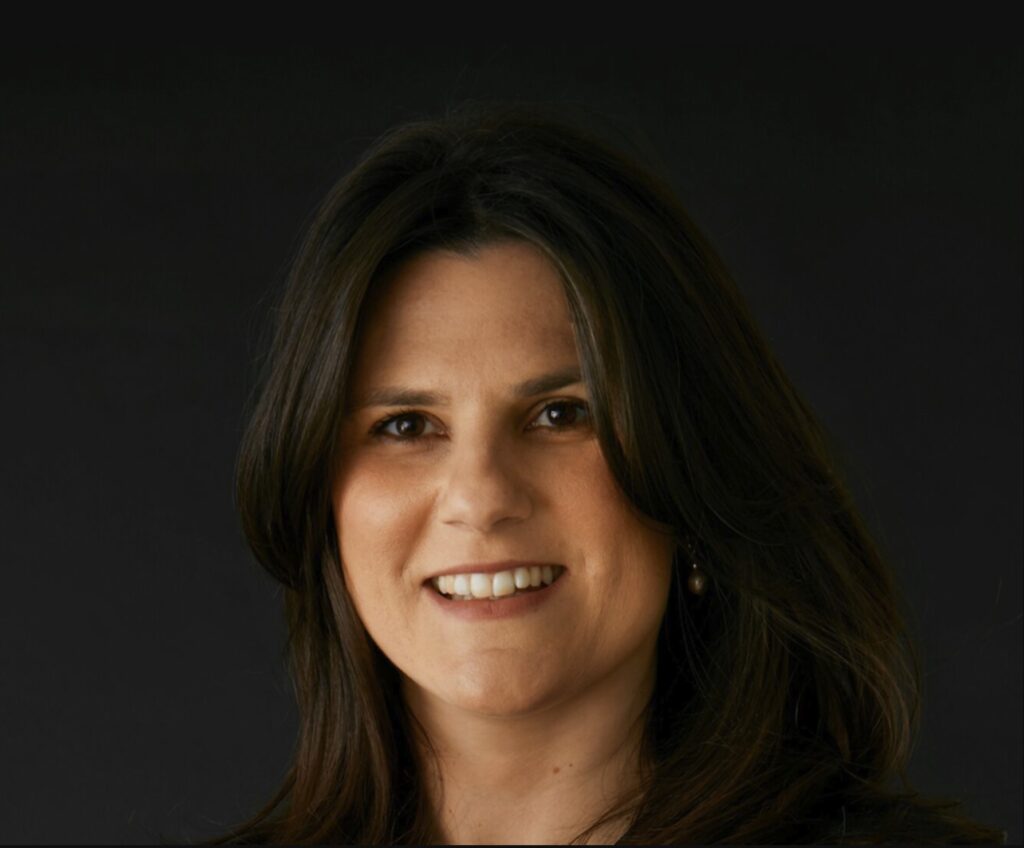
Dr Anna Kiaos Dr Anna Kiaos is an organisational ethnographer, psychologist and researcher at the University of New South Wales, School of Clinical Medicine, Faculty of Medicine and Health. Her peer-reviewed research examines organisational culture, subcultures and emerging microcultures, and how leadership systems, cultural ideology and everyday work practices shape employee experience, psychosocial risk and psychological injury.
Her ethnographic research includes large-scale studies of NSW public sector agencies and has been published in leading academic journals. She received her PhD in Management from Macquarie University Business School and a Master of Health Communication from the University of Sydney.
