Australia’s beef exports are set to face some of the biggest adjustments compared with other international exporters as new import quotas announced by China in late last year reshape the global beef trade, Rabobank says in a newly-released report.
In its Global beef quarterly Q1 2026, the agribusiness banking specialist’s RaboResearch division says China began implementing the three-year import quota system on January 1 this year as part of its safeguard measures following a year-long investigation into the impact of rising imports on domestic Chinese cattle producers.
RaboResearch said, as the world’s largest beef importer, China’s policy is expected to reshape global trade flows and increase market volatility. Imports accounted for 25 per cent of total Chinese beef supply in 2025.
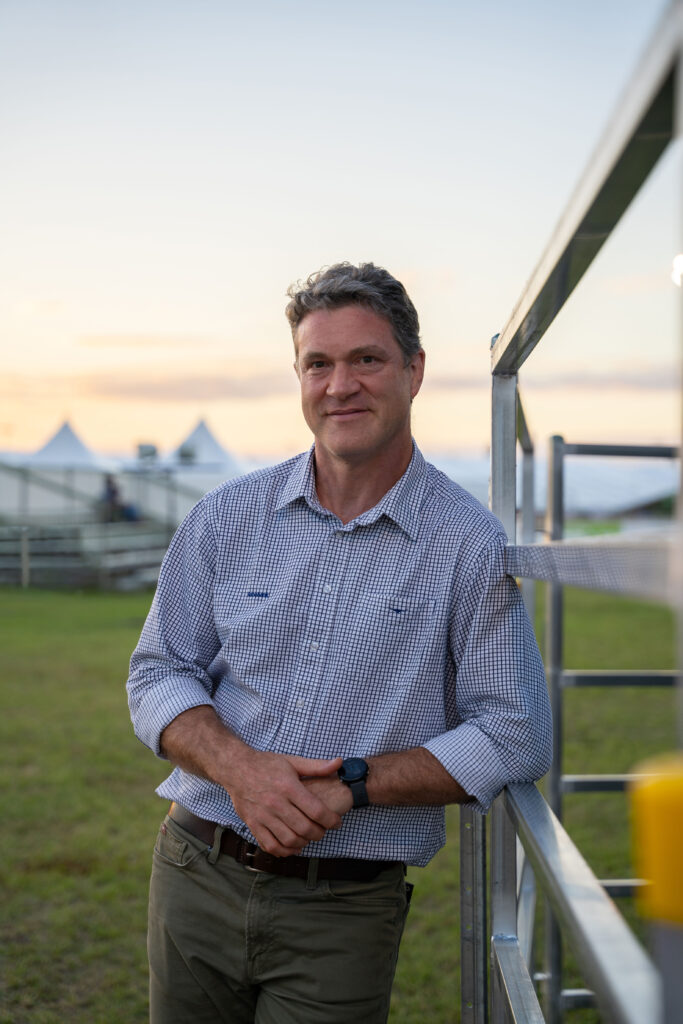
Report lead author, RaboResearch senior animal protein analyst Angus Gidley-Baird said – with the total quota for Chinese beef exports set at 2.688 million tonnes for 2026, this is four per cent lower than 2025 volumes.
Even so, the report says, a number of exporting countries – including the US, Uruguay and New Zealand – are still not expected to reach their quota limits.
For Australia – along with Brazil, China’s largest supplier – the quotas are expected to be reached, after which volumes will be subject to an additional 55 per cent tariffs on top of in-quota import duties. And RaboResearch believes out-of-quota shipments will be unlikely at these rates.
“With the new quota limiting Australian exports to China to just 205,000 million tonnes in 2026, it will potentially mean the diversion of about 100,000 million tonnes of Australian beef to alternative markets,” Mr Gidley-Baird said.
“RaboResearch is expecting Australia’s 2026 beef production volumes will be similar to 2025’s historically-high levels – and therefore export volumes to be similar. And these high Australian volumes will need to find other markets,” he said.
New markets
Mr Gidley-Baird said, “a large proportion” (55 per cent) of Australia’s exports to China were grain-fed beef, with predominant cuts of manufacturing, brisket and shin/shank, and diverting these cuts to other markets at a comparable price point “may be challenging”.
Exports to South Korea were at record volumes in 2025 and Japanese demand has been relatively stagnant recently, he said.
The US, with stronger import demand, would appear an option, the report says, but the bulk of this trade is lean trim beef – a key ingredient of hamburger patties.
In addition, Mr Gidley-Baird said, Australia’s volumes to the US were at record levels in 2025 and they will also face increased competition from Brazilian product in 2026.
“Distributing Australian product across a range of markets – most likely through Southeast Asia – appears to be the best solution,” he said. “But based on 2025 volumes, Australia will be relying on an expansion of markets to accommodate additional volumes.”
While Australia’s beef industry is working to minimise the impact of the new Chinese quota system, RaboResearch expects there will be some jostling for business by importers and exporters as they manage the more limited trade line.
“This is likely to increase as we move towards the middle of the year – in 2025, Australia reached the new import quota volume between July and August,” Mr Gidley-Baird said.
Global beef trade
China’s new beef import quotas are set to reshape global beef flows beyond the immediate impacts on Australia, with the spill‑over most visible in markets that could absorb redirected product, Mr Gidley-Baird said.
“The 55 per cent out‑of‑quota tariff is likely to push significant volumes into alternative destinations, shifting competitive dynamics across North America, Asia and parts of Europe and the Middle East,” he said.
The United States may potentially be poised to become one of the primary outlets for displaced beef, the report said. Lower supplies and stronger demand in the US may attract Brazilian and Australian beef, but it is not without cost.
Mr Gidley-Baird said Brazilian beef would face a 26.4 per cent tariff going into the US, while Australia faces a price-based safeguard, albeit unlikely to be triggered in current market conditions.
“This increased volume into the US and other markets – such as Southeast Asia, the Middle East and Canada – could place downward pressure on prices,” he said. “While countries with surplus quota in China – including New Zealand and Uruguay – may find selective opportunity there in the second half of the year if Australian and Brazilian volumes hit quota constraints and US product remains restricted.”
Australian production
Mr Gidley-Baird said Australia’s historically-high beef production and beef exports were anticipated to continue in 2026.
“Australian beef production started this year in a similar way to how it finished 2025 – with strong prices and large volumes,” he said.
Weekly slaughter numbers for the first four weeks of the year were the same as 2025 volumes and – with high current cattle inventory – RaboResearch expects they will continue in line with 2025 volumes at least through Q1 and most likely into Q2.
“Some weather forecasts are suggesting conditions could get drier in Q2 and, if this was to occur, we expect to see a lift in slaughter numbers and a softening in prices,” Mr Gidley-Baird said. “The rate of any change will be contingent on any change in producer confidence.
“A similar situation occurred in 2023 and, with the severe drop in producer confidence, cattle prices dropped dramatically.
“However, global markets remain strong and prices for heavy finished cattle and cows remain at historically high levels, which may support confidence levels. Prices for younger stock are closer to the five-year average, reflecting a more balanced situation in the producer side of the market with no strong restocking or destocking activity.”
<ends>
RaboResearch Disclaimer: Please refer to Australian RaboResearch disclaimer here
Media contacts:
Denise Shaw Will Banks
Media Relations Media Relations
Rabobank Australia & New Zealand Rabobank Australia
Phone: 02 8115 2744 or 0439 603 525 Phone: 0418 216 103 103
Email: [email protected] Email: [email protected]
About us:
Rabobank Australia & New Zealand Group is a part of the international Rabobank Group, the world’s leading specialist in food and agribusiness banking. Rabobank has more than 125 years’ experience providing customised banking and finance solutions to businesses involved in all aspects of food and agribusiness. Rabobank is structured as a cooperative and operates in 35 countries, servicing the needs of more than nine million clients worldwide through a network of more than 1000 offices and branches. Rabobank Australia & New Zealand Group is one of Australasia’s leading agricultural lenders and a significant provider of business and corporate banking and financial services to the region’s food and agribusiness sector. The bank has 87 branches throughout Australia and New Zealand.