
Carbon markets rewarding the recovery of degraded environments risk penalising long-term Indigenous stewardship, according to a coalition of experts writing in Nature Climate Change.
The article by RMIT University environmental science and legal experts working with a Yirrganydji Aboriginal Bama (Person) highlights growing frustration among traditional owners who often find their lands ineligible for carbon credits because they remain intact.
In contrast, landholders whose predecessors degraded ecosystems have opportunities to generate credits by restoring them.
Lead author and Director of RMIT’s Centre for Nature Positive Solutions Professor Peter Macreadie said this unintended consequence risked entrenching inequity and undermining the credibility of climate markets.
“Carbon markets were designed to reward climate action, but our research shows they may be producing a perverse outcome: rewarding those who damaged land in the past while excluding Indigenous custodians who for generations have cared for country,” he said.
The issue revolves around the definition of ‘additionality’, which is a core integrity requirement in carbon markets, intended to ensure credits are only issued for climate benefits that wouldn’t have occurred otherwise.
In practice, this often means restoration on degraded land is rewarded, while long-protected ecosystems are treated as the baseline and assumed to continue without support.
Brian Singleton, a Yirrganydji Aboriginal Bama and Land Manger, said his people have overseen stewardship of the Cairns area for thousands of years, long before there were conservation and ranger programs.
He said Indigenous people have largely been left out of the conversation when it comes to carbon markets.
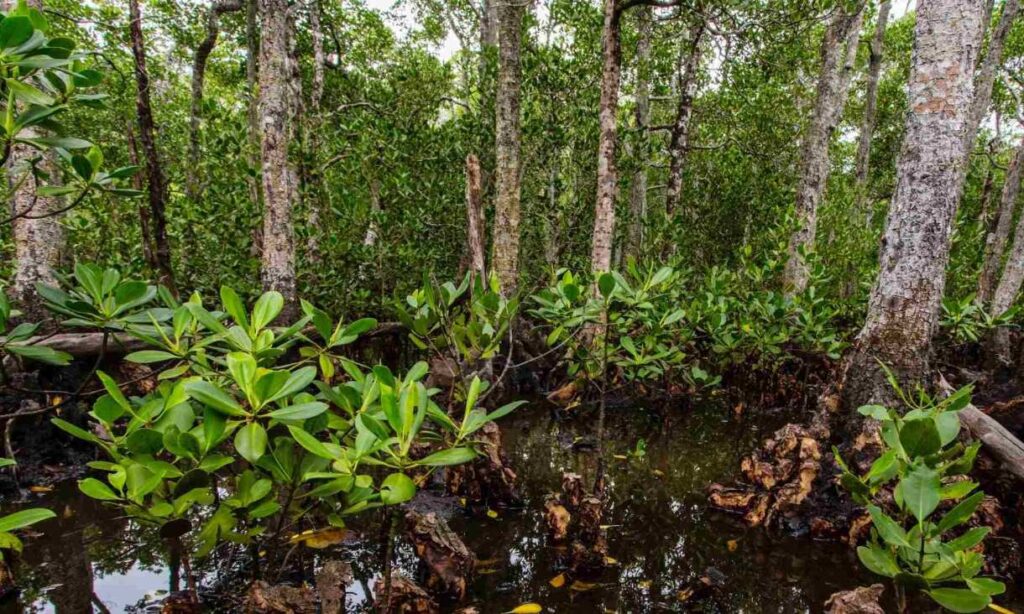
"We need to be included so we can see the other value and opportunities in protecting what mangrove systems we still have. No matter how remote, we’re still facing climate challenges with dieback, erosion, wash off and pollution,” Singleton said.
“The real issue with the system is that proper consultation with traditional owners was not done when setting it up, and so now the work being done on country can’t be counted. It’s hard work and should be recognised by creating financial opportunities for it to continue.”
Singleton said it was also important to engage and incentivise young people to ensure ongoing care.
“Otherwise, if it’s not done, it will be bad news not just for people but for the environment,” he said.
Legal and policy pathways exist
RMIT legal scholar Dr Vanessa Johnston said aligning carbon markets with Indigenous custodianship could create pathways to broaden participation, improve climate outcomes and support ecosystems that underpin long-term mitigation.
“Achieving this requires integrity frameworks that recognise stewardship, not just restoration, as a legitimate form of climate action,” she said.
The team’s research outlines several recommendations to support fairer and more effective environmental outcomes, including:
-
recognition that maintaining intact ecosystems often requires active, under-funded governance, particularly where altered fire regimes, feral animals and changing water flows create threats
-
allowing conservative recognition of avoided degradation where such risks exist
-
ensuring Indigenous custodians can participate as project owners or equal partners, rather than peripheral stakeholders
Johnston, an expert in carbon rights, property law and land use, said recognising stewardship within additionality was not a call for weaker standards, but an overdue correction to a framework designed without Indigenous governance in mind.
“It also aligns with a growing body of research that recognises land ownership as involving obligations of conservation and protection, not just entitlements,” she said.
Macreadie said bringing together legal perspectives, Indigenous experience and environmental science helped highlight tensions in how carbon market integrity rules were currently applied, and to explain why existing approaches are struggling.
“What we are seeing is climate finance systems built on good intentions backfiring because they fail to recognise stewardship, care and long-term ecosystem protection as legitimate climate action,” Macreadie said. “Clearly, something needs to change.”
‘Additionality requirements of carbon markets could penalise Indigenous stewardship’ is published in Nature Climate Change (DOI: 10.1038/s41558-026-02576-2)
Contact details:
Michael Quin
+61499 515 417