- Victorian terraces in Melbourne are experiencing structural issues, particularly in their parapets, due to age-related deterioration and water damage
- Incorrect repairs using modern cement-based renders instead of traditional lime renders can accelerate decay in heritage buildings by trapping moisture
- Properties over 120 years old face severe risks including spalling and masonry decay, with visible signs including loose plaster and crumbling brickwork
- Proper heritage restoration requires traditional materials and techniques, and can command a heritage premium in the property market
- Early intervention is crucial, as delaying repairs can transform manageable maintenance into serious structural problems
Melbourne’s grand Victorian terraces are some of the most photographed homes in Australia. From Carlton to South Melbourne, their ornate iron lace balconies and decorative parapets define entire neighbourhoods and remain one of the city’s most recognisable architectural signatures.
But behind the beauty of these historic homes, experts say a quiet structural problem is emerging — and many owners don’t realise the urgency until visible damage appears.
As Melbourne’s heritage housing stock passes well over a century in age, the real difference between a simple renovation and a proper restoration is becoming increasingly clear. In many cases, it can determine whether a property maintains its structural integrity and market value — or begins a slow and expensive decline.
The Hidden Enemy Above the Roofline
While glossy interiors tend to dominate renovation magazines, the most vulnerable part of a Victorian terrace is often the one few homeowners think about: the parapet.
The decorative wall that rises above the roofline isn’t just aesthetic. It acts as the building’s first barrier against Melbourne’s notoriously unpredictable weather.
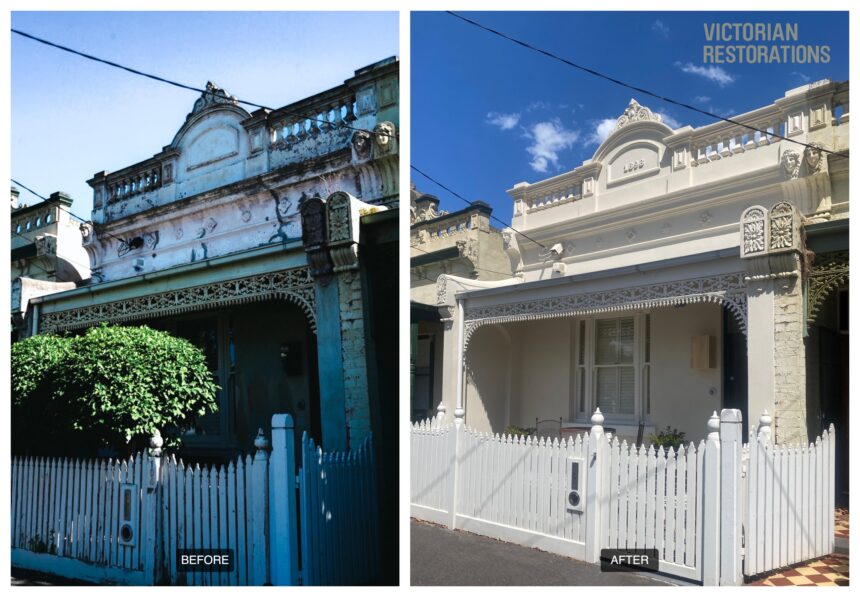
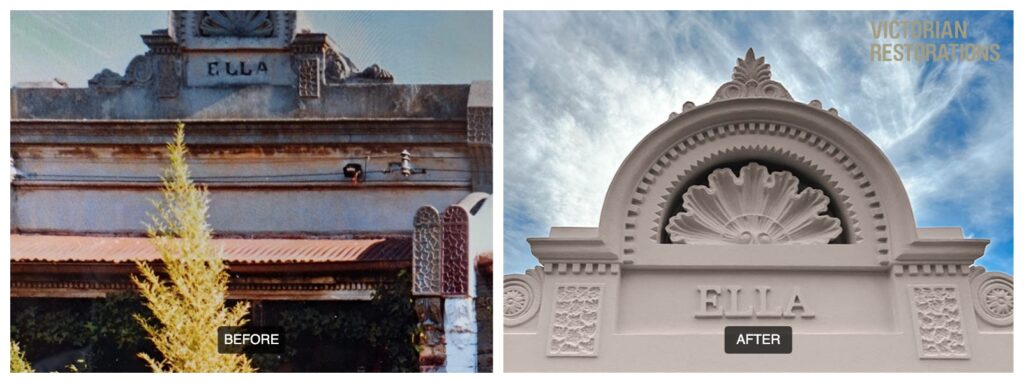
Over decades, and in many cases more than 120 years, traditional lime-based renders and decorative plasterwork begin to deteriorate. Once this outer “skin” breaks down, moisture infiltration starts to occur beneath the surface.
The result is far more serious than peeling paint.
Water penetration can lead to spalling, a process where internal masonry begins to crumble and expand, eventually weakening the structural elements of the facade itself. Left untreated, the damage spreads through the brickwork and can compromise entire sections of the building.
Architectural specialists say this type of deterioration is becoming increasingly common across Melbourne’s heritage suburbs.
Why Modern Repairs Can Make the Problem Worse
One of the biggest issues facing heritage homes today is well-intentioned but incorrect repairs.
Many contractors unfamiliar with traditional building methods apply modern cement-based renders to historic brickwork. While these materials are durable on contemporary buildings, they can be damaging to Victorian-era construction.
Traditional buildings were designed to “breathe”. Lime renders allow moisture to evaporate naturally through the surface. Cement renders, however, are far more rigid and trap moisture within the wall.
Over time, this accelerates decay inside the masonry.
According to specialists at Victorian Restorations, authentic heritage restoration requires returning to the original materials and techniques used when the homes were first constructed.
“We often see heritage homes repaired with materials that are simply too rigid for the old brickwork,” their team explains. “Authentic restoration is about breathability — using the correct lime-to-sand ratios and recreating mouldings by hand, just as craftsmen did in the 1880s.”
This meticulous approach is why solid plasterers trained in traditional techniques are increasingly sought after in Melbourne’s heritage restoration sector.
| Age of Facade | Common Condition | Typical Signs Visible to Owners | Structural Risk Level |
|---|---|---|---|
| 60–80 years | Early render fatigue | Hairline cracks, paint blistering | Low |
| 80–100 years | Lime render erosion | Cracking around parapets and mouldings | Moderate |
| 100–120 years | Moisture penetration begins | Flaking render, damp internal walls | High |
| 120+ years | Spalling and masonry decay | Loose plaster, crumbling brick substrate | Severe |
The Property Market’s “Heritage Premium”
Beyond preservation, restoration is also becoming a significant financial consideration for property owners.
Buyers in Melbourne’s inner-city heritage suburbs are becoming increasingly knowledgeable about facade condition and heritage compliance. A terrace with a documented restoration — including authentic plasterwork, proper structural repairs and approved heritage permits — can command a noticeably higher price than one with cosmetic fixes.
In other words, what appears to be purely decorative can directly influence property value.
The phenomenon has been dubbed the “heritage premium”, particularly in tightly held suburbs where architectural integrity is part of the area’s identity.
This is also why many heritage experts emphasise that Melbourne’s most valuable buildings are often its oldest.
Restoration Is More Than Cosmetic
True heritage restoration involves much more than repainting or patching decorative elements. Specialists approach these buildings holistically, addressing both structural and aesthetic components.
Typical restoration projects include:
• Substrate repair to stabilise the underlying masonry
• Authentic mould recreation to match original Victorian design elements
• Heritage compliance management with council and Heritage Victoria requirements
This process ensures the building’s structure is stabilised before decorative finishes are reapplied.
For many homeowners, the mindset shift is important. They are not simply renovating a property — they are preserving a piece of Melbourne’s architectural history.
Custodians of a City’s Architectural Legacy
Melbourne’s Victorian terraces are more than attractive homes. They are part of the city’s identity and cultural heritage.
Maintaining them properly requires expertise that blends traditional craftsmanship with modern project management and regulatory compliance.
Companies like Victorian Restorations specialise in complete facade restorations for heritage terraces, combining traditional solid plastering techniques with contemporary restoration planning.
For homeowners, the message from restoration experts is simple: waiting too long can turn a manageable repair into a structural problem.
In a city celebrated for its historic streetscapes, preserving these facades isn’t just about aesthetics — it’s about protecting Melbourne’s architectural legacy for the next century.
About us:
Victorian Restorations is a Melbourne specialist in heritage facade restoration for Victorian and Edwardian buildings. The company focuses on traditional solid plastering, parapet repair and lime render restoration to preserve historic terraces.
Contact details:
John Bruno
0435 374 581
www.victorianrestorations.com.au