

WWF has congratulated the Australian Government on becoming the latest country to join the High Seas Treaty, after new laws were passed in the Senate today.
The High Seas Treaty will help protect the two-thirds of the world’s oceans that lie in international waters. It’s the most significant global agreement on ocean protection in a generation and became international law in January.
For the first time, the treaty will enable the creation of marine protected areas in international waters and require thorough environmental assessments of harmful activities.
Australia will join nearly 90 countries that have ratified the treaty. Another 55 have pledged to join, meaning the vast majority of countries are committed to protecting the high seas.
“This treaty gives us the tools to protect biodiversity on the high seas - and Australia stepping up really matters,” said Dermot O’Gorman, WWF-Australia’s CEO.
“WWF especially welcomes the widespread support across the parliament for this treaty to become Australian law.
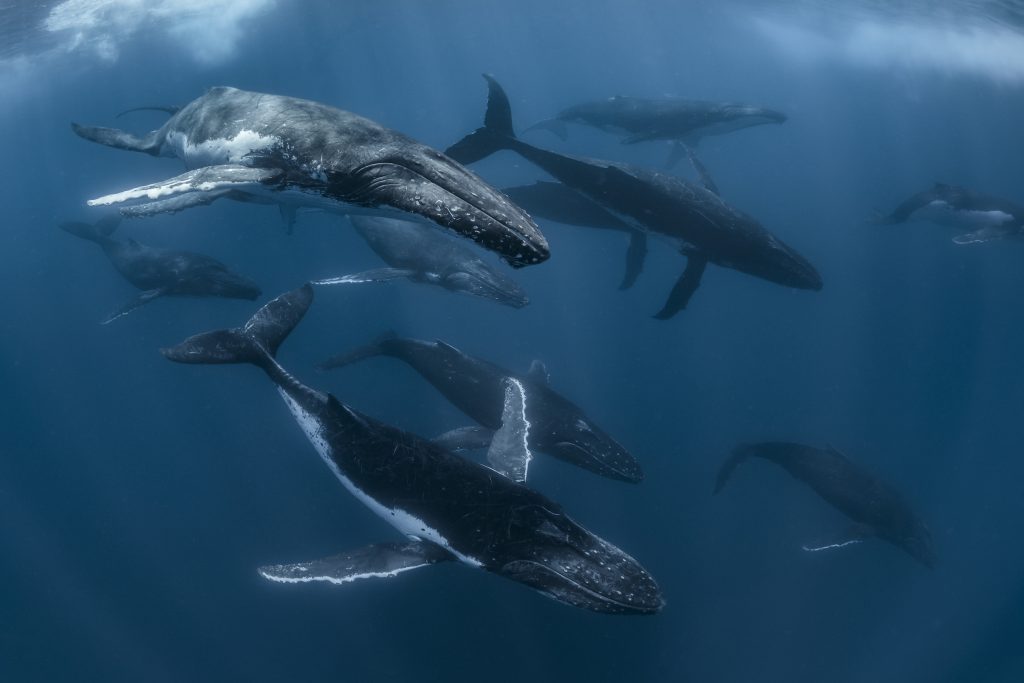
“The high seas cover half the planet and are home to countless whales, corals, turtles, rays and fish. We rely on this vast expanse for oxygen, climate regulation and food, but until now it has been heavily exploited with almost no protection.
“The high seas are under growing pressure from destructive fishing, shipping, plastic pollution, potential deep sea mining and climate change.
“And what happens on the high seas has a direct impact on Australia’s oceans and the communities that depend on them.”
While the treaty is now international law, Mr O’Gorman said countries like Australia will need to step up at the treaty's first Conference of Parties (COP) later this year.
“Joining the treaty is an important milestone for Australia, but it’s only the first step,” said Mr O’Gorman.
“Australia needs to work closely with other ocean-loving countries to identify key areas for protection, including the incredible Lord Howe Rise region between Australia and New Zealand.”
Mr O’Gorman said Australia also needed to strengthen protection in its own waters, with the recently announced review of Australia’s marine parks.
“Marine species migrate thousands of kilometres and don’t recognise human borders, so creating networks of marine protected areas is incredibly important to their survival,” he said.
“Australia has a once-in-a-generation opportunity to advance science-based marine protected areas from our shores into the high seas, to safeguard whales and other species’ migrations, and deliver major benefits to people and our blue planet.”
ENDS
Notes to editor:
- National governments formally join treaty regimes through a process known as ratification. In Australia’s case this requires passage of legislation, followed by a formal administrative process with the United Nations.
- Passage through the Senate ensures the High Seas Biodiversity Bill 2026 will become law in the coming weeks, with Australia’s formal ratification process to be concluded in the months to follow.
Contact details:
Paul Fahy, 0455 528 161, [email protected]