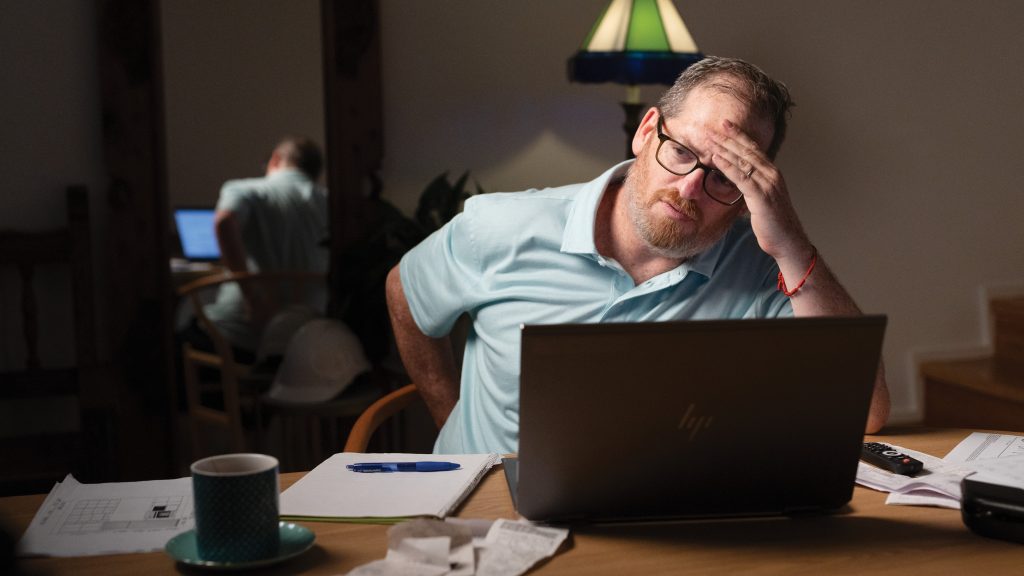

- Back pain disorders are a leading cause of disability in Australia, with musculoskeletal disorders (MSDs) affecting 6.1 million Australians and often linked to depression and psychological distress
- Chronic back pain is projected to affect 3.2 million working-age Australians by 2033, leading to an estimated $638 billion loss in productivity over the next decade
- MSDs currently cost the Australian economy around $55.1 billion annually in direct health costs, lost productivity and reduced quality of life
- Research suggests opioids are ineffective for acute low back pain, with experts recommending integrated, holistic healthcare approaches including lifestyle support and self-management tools
- National Spinal Health Month launches in June 2026, marking 30 years of Australia's longest-running spinal health initiative, encouraging preventative measures and early intervention for back pain


Australia’s Silent Burden: Back Pain, Mental Health & the Economic Cost of Inaction
National Spinal Health Month: A Healthy Spine Supports A Healthy Mind
June is National Spinal Health Month, an initiative of the Australian Chiropractors Association (ACA) to encourage Australians to join the “spinal health movement” to prevent back pain disorders that remain one of the leading causes of disability in Australia while increasing mental health complications for sufferers.
According to the Australian Institute of Health and Welfare (AIHW) and the World Health Organisation (WHO), musculoskeletal disorders (MSDs) including back pain, account for the greatest proportion of persistent pain conditions which is often linked to depression and psychological distress.
ACA President Dr Billy Chow said, “The coexistence of back pain and mental health conditions is associated with impaired quality of life while the increased risk of developing a chronic back pain condition also poses a significant ongoing financial burden on sufferers and the economy as a whole.
“Encouraging Australians to address MSDs by managing their spinal health not only helps inhibit chronic back pain but can also mitigate negative secondary implications on sufferers’ mental health and overall wellbeing,” said Dr Chow.
The link between MSDs, specifically back pain and depression is well documented in research studies including a study by the International Association for the Study of Pain (2021) that found people living with chronic back pain are at heightened risk of experiencing mental health problems.
“While chronic back pain can lead to developing psychological and social problems, depressive symptoms can worsen back pain and increase the disability associated with the condition, which in turn can exacerbate back pain’s negative impact on the mental health of sufferers,” he said.
“This vicious cycle, where back pain triggers a mental health problem that leads to the original back problem worsening can continue accelerating unabated in the absence of interventions to break the pain cycle, while the costs of MSDs to the Australian economy are significant and increasing,” Dr Chow said.
According to a Deloitte Access Economics report the rising cost of MSDs in Australia presents a strong case for a proactive, strategic response to MSD management.
Research by Monash University’s School of Public Health and Preventive Medicine (August 2025) has projected that if we fail to tackle common back pain through promoting advice to stay active and receive appropriate care, by 2033, 3.2 million working-age Australians will be living with chronic back pain leading to a loss of approximately 4.6 per cent to Australia’s gross Domestic Product over a 10-year period.
6.1 million Australians (almost 1 in 3) are already impacted by MSDs, of which 58% are of working age (25-64 years) in their peak income earning years.
With back pain posing a major public health burden affecting millions of sufferers across Australia, long-term chronic back disorders are projected to cost the Australian economy an estimated $638 billion in lost productivity over the next decade.
The projected growth of 43 percent in MSD cases over the next two decades, combined with 43 percent of Australians having already reported experiencing a mental health disorder at some point in their lives; the importance of maintaining spinal health to minimise chronic back pain and the associated mental ill-health conditions cannot be overstated.
“By underscoring the significance of improving our spinal health and addressing symptoms promptly, we can prevent chronic back pain that negatively impacts mental health and overall wellbeing, while reducing both the personal economic burden on sufferers and the Australian economy,” Dr Chow said.
Annually, MSDs cost the Australian economy around $55.1 billion in direct health costs, lost productivity and reduced quality of life while significantly limiting mobility and dexterity that leads to early retirement, reduced socio-economic circumstances and limits the ability to participate in social activities causing isolation.
Together with the personal and overall economic strain on the mental health system this demonstrates the dire need to improve spinal health to prevent and minimise the impact of MSDs.
The Productivity Commission estimated the direct economic costs of mental ill-health and suicide in Australia to be $43–70 billion in expenditure and lower economic productivity annually, with a further $151 billion in the cost of disability and premature death due to mental ill-health, suicide and self-inflicted injury.
Psychological distress in the form of anxiety or depression is common among acute back pain sufferers. Even when symptoms are short-term and not medically serious, without appropriate early treatment acute back pain can lead to chronic back pain disorders increasing physical and mental health disability risks.
Risk factors of developing long-term chronic back pain include avoidance behaviours when back pain sufferers ignore symptoms and avoid movements or activities due to fear of causing injury or increasing pain. However, while limiting movements and activities may be recommended for some acute injuries during healing, if sufferers ignore symptoms and restrict or avoid movements and activities in response to chronic pain (Fear Avoidance Beliefs Model), it can increase pain and the risk of disability over the long-term.
Sydney University research also suggests Australians are incorrectly being prescribed opioids for relief of back pain despite the compelling evidence that opioids do not relieve ‘acute’ low back pain (lasting up to 12 weeks) and can result in patients experiencing worse pain while opioids can sometimes cause harm.
Shifting chronic back pain treatment away from medications to integrated, holistic healthcare is recommended including care that provides lifestyle support, advice to remain active and working, and tools to self-manage pain to help reduce disability, improve quality of life and boost workforce participation and productivity.
Holistic care in the treatment of back pain can also help mitigate the need for medical interventions, reduce hospital admissions and help lower long-term healthcare costs for the individual and the economy for both MSD and mental healthcare treatments.
“Maintaining spinal health is essential to staying active, independent and feeling good at any age, so by tackling Australia’s very common back pain issue, we can improve the physical and mental health of society and aid in addressing stagnant productivity while reducing costs to the Australian economy,” he said.
According to Global Health Education Australia, over 300,000 Australians visit a chiropractor each week, with demand for chiropractic healthcare increasing as more Australians seek holistic, non-invasive, drug-free healthcare to manage MSDs and minimise chronic back pain and its associated secondary implications.
Following 29 years of Spinal Health Week, Australia’s longest running, award-winning spinal health initiative, ACA is proud to mark the campaign’s 30th anniversary by launching National Spinal Health Month in June to improve the spinal health of Australians of all ages.
With four out of five Australians expected to experience back pain at some point in their lives, and with chronic pain increasing the risk of mental health challenges, National Spinal Health Month encourages all Australians to join ACA’s “spinal health movement”. To get back to feeling good by maintaining a healthy spine to support a healthy mind, visit spinalhealth.org.au to download FREE back pain information resources.
– ENDS –
HASHTAGS: #SpinalHealthMonth #HealthySpineHealthyMind #ConsultAChiro #AdjustYourThinking
INTERVIEW REQUESTS: A variety of spokespersons including case studies are available for interview.
Contact Insight Communications: Alice Collins M: 0414 686 091 or Clare Collins M: 0414 821 957
Email: [email protected] | [email protected] | [email protected]
MEDIA CENTRE - FOR IMAGES, DETAILED JOURNALIST NOTES, VISION OR GRAPHICS, VISIT: https://bit.ly/SHM26-Media
JOURNALIST NOTES
Visit the media centre for full journalist notes.
NATIONAL SPINAL HEALTH MONTH 2026 - A healthy spine supports a healthy mind
National Spinal Health Month (1-30 June 2026) is the initiative of the Australian Chiropractors Association (ACA) to mark the 30th anniversary of Australia’s longest running, and award-winning national community health awareness campaign dedicated to improving the spinal health of Australians of all ages. Annually, the national campaign focusses on a specific spinal health issue while promoting the importance of maintaining good spinal health to improve overall health and wellbeing. In 2026, the campaign focusses on preventing back pain and its associated secondary implications including mental ill-health. ACA is encouraging individuals, the community, businesses and organisations to participate by registering at www.spinalhealth.org.au.
THE AUSTRALIAN CHIROPRACTORS ASSOCIATION
Established in 1938, the Australian Chiropractors Association (ACA) is the peak body representing chiropractors. The ACA promotes the importance of maintaining spinal health to improve musculoskeletal health through non-invasive, drug-free spinal health and lifestyle advice to help Australians of all ages lead and maintain healthy lives.
The ACA is the premier association for chiropractic in Australia. With around 3,000 members, the ACA is Australia’s largest chiropractic health body and has taken a leadership role in promoting the importance of maintaining a healthy spine to improve the overall health and wellbeing of every Australian. ACA develops and promotes professional standards for chiropractors, has invested $2.3 million to advance research in musculoskeletal health, builds evidence-based practice for chiropractic healthcare and actively promotes the importance of spinal health through its annual flagship campaign, national Spinal Health Month. Every week 400,000 chiropractic healthcare consultations are creating well-adjusted Australians. With so many Australians visiting a chiropractor every week, chiropractors play an important role in improving the spinal health of everyday Australians.
DRUG-FREE CHIROPRACTIC HEALTHCARE TREATS THE CAUSE, NOT JUST THE SYMPTOMS
ACA chiropractors are 5-year university educated healthcare professionals who effectively treat a wide range of musculoskeletal disorders including the causes of back pain and a range of spinal health conditions. ACA chiropractors use specialised drug-free, evidence-based, non-surgical techniques including specific spinal adjustments to manage spinal health. They apply low-force intervention and use various manual therapies including soft tissue techniques while assessing lifestyle factors and providing relaxation methods to reduce reliance on medication and minimise stress caused by spine-related pain. By treating the cause of pain and not just the symptoms, chiropractic healthcare improves the overall health and wellbeing of Australians.
ACA MEDIA SPOKESPERSONS - NATIONAL & ALL STATES & TERRITORIES
Dr Billy Chow – President, Australian Chiropractors Association – National & South Australia
Dr Billy Chow, President of the Australian Chiropractors Association, graduated as a chiropractor from RMIT University in 1998. Since graduating, he has built a varied career in private practice, on boards, and in business. Dr Chow is passionate about educating and inspiring people to make better choices and live healthier lives. He serves as a Lecturer and ACC Program Coordinator (Diploma) at the Australian Chiropractic College, Adelaide, and runs a healthcare business consultancy providing practitioners with personalised business support and mentorship.
Dr David Cahill – Vice President, National & Victoria
ACA Vice President, Dr David Cahill has been a registered, practicing chiropractor since 1991, in the Malvern East area of Melbourne since 1998. He loves helping people of all ages, from newborn babies and toddlers to those in their more senior years. David is very active in post-graduate education, continually upskilling in many aspects of chiropractic. David’s passion is to help people have transformative experiences, and help the chiropractic profession advance its standing in the Australian community.
Dr Damian Kristof – National & Victoria
Nutritionist, Naturopath and Chiropractor, Dr Damian Kristof is a highly sought-after presenter and speaker in the Wellness industry. With 30 years of experience, Damian’s in-depth knowledge of the body, nervous system, food functions and responses coupled with his friendly and dynamic presenting style, has him in high demand. Focusing on food as key to unlocking optimal health and wellness, Damian presents in-depth facts and concepts that have never been readily available to the public - offering all audiences from industry experts to the general public highly valuable content as he engages, educates and inspires audiences across the globe.
Dr Ashley Dent – Tasmania
Dr Dent graduated from Macquarie University in Sydney in 2010, where he received the Ed Devereaux Award for Services to the Student Body. He is actively involved with the Australian Chiropractors Association (ACA) at both state and national levels, currently chairing the Public Engagement Committee and contributing to two other committees. In 2023, he was recognised with a Meritorious Service Award from the ACA. Dr Dent has a keen passion for helping people improve their long-standing (chronic) back and neck pain and then progressing their spinal health through exercise and rehabilitation so that they are stronger and healthier than they’ve ever been.
Dr Kim Lie Jom – NSW
Dr Kim Lie Jom has been a registered and practicing chiropractor in NSW for the past 30 years. His commitment to the wellbeing of his patients extends beyond chiropractic adjustments, as he understands the importance of holistic health for every individual. With a family of three kids of his own, he truly comprehends the value of family wellness. As a respected community leader, Dr Jom has become an integral part of the local community. His reputation extends not only for his exceptional chiropractic skills but also for his dedication to community service. He is a Board Director and proud member of the Australian Chiropractors Association (ACA), showcasing his commitment to the highest standards of professional practice. His involvement in the ACA goes beyond membership – he currently holds several key positions within the organisation, including Public Education, Audit and Risk, the Eastern Regional Committee. He is a dedicated member of the Australian Spinal Research Foundation (ASRF), demonstrating his commitment to advancing chiropractic knowledge and contributing to research in the field. Dr Jom’s prominence in the chiropractic community is exemplified by his passion, dedication, and leadership in promoting health and wellbeing for individuals and families alike.
Dr Michelle Ronan – Victoria
Michelle has been a registered chiropractor since graduating from RMIT in 2005 and has practiced in the Albert Park area since 2010. Michelle’s passion lies in helping people’s bodies perform better to allow them to get more out of life, whether that be to enhance sports performance, rehabilitation of chronic conditions, during pregnancy, or to support general health and wellbeing. Michelle loves helping people of all ages and stages of life on their health journey. Michelle previously sat on the Victorian branch of the CAA (now the Australian Chiropractors Association), and is currently completing a Master’s through RMIT.
Dr Adam Smith – Queensland
Dr Adam Smith (Chiropractor) has over 22 years of experience in family-based chiropractic care. He has experience working in many communities around Australia and internationally, including regularly serving on committees that guide health policy on a state and Australian federal level, as well as in the UK. With a special interest in family health and wellness, Dr Smith works with local community groups, charities, workplaces and schools to improve access to chiropractic care for those who want it. He believes that all Australians should have access to quality chiropractic services, so he is currently working with a group that is expanding chiropractic access in regional and rural areas of Australia across six states and territories.
Dr Joshua Tymms – Western Australia
Dr Joshua Tymms is a registered chiropractor with two decades of clinical experience, having graduated from Murdoch University in 2006. Throughout his career, he has worked with a wide range of patients, including elite-level athletes, with a strong focus on structural correction and long-term spinal health outcomes. Josh holds dual Master’s degrees in Public Health and Business Administration, equipping him with advanced expertise in health leadership, strategy, and research. He serves as Vice President of the Advanced Bio-Structural Correction Australasia (ABCA), where he leads initiatives to expand the research base supporting structural correction and strengthen the profession’s evidence-informed direction. Over the past decade, Josh has held multiple leadership and advocacy roles within the Australian Chiropractors Association, contributing to policy, professional standards, and the future direction of chiropractic in Australia. In addition to his clinical and leadership work, Josh is the founder of Chiro Van, a mobile healthcare service designed to improve access to chiropractic care across the community. He remains committed to helping people move better, feel better, and live more active lives through high-quality, patient-centred care.
Dr Ali Young – Western Australia
Dr Ali Young is a Chiropractor with over 23 years’ experience working specifically with families, children and women. She has owned practices and worked in both Western Australia and Queensland, and loves taking care of those children who love that extra jolt of frivolity, playfulness and joy in their healthcare. She is an advocate for Working Mothers, with her book, Work. Mama. Life widely received upon its publication in 2022. She is a mother of two and now works with female chiropractors inside her coaching and membership programs, combining these two great loves with her chiropractic work. She is a sought-after speaker, MC, and strategist for female chiros wanting to “have it all” – a supercharged practice, a work/life balance and a whole lot of fun. She has written for most major newspapers around Australia, has a podcast “Work Mama Life” with over 20,000 downloads, and is often called upon as an expert for the neurological regulation for working mothers. She has been a chiropractic patient since she was 15 years old and thinks there is no greater gift than providing the support families need to allow their health to shine.
REFERENCES
- ABC News: TOP HEALTH TRENDS IN AUSTRALIA FOR 2025: MENTAL HEALTH FOCUS - NEWS ABC
- Adelaide University: www.adelaide.edu.au/newsroom/news/list/2023/09/14/national-study-to-investigate-risk-factors-for-back-and-neck-pain#
- American Psychiatric Association: Psychiatry.org - Chronic Pain and Mental Health Often Interconnected
- Australian Institute of Health and Welfare: https://www.aihw.gov.au/reports/chronic-musculoskeletal-conditions/back-problems
- Australian Institute of Health and Welfare: https://www.aihw.gov.au/reports/chronic-disease/chronic-pain-in-australia/summary
- Black Dog Institute: https://www.blackdoginstitute.org.au/news/black-dog-institutes-2023-2024-federal-budget-submission-focuses-on-evidence-based-and-cost-effective-actions/
- Deloitte Access Economics - https://www.deloitte.com/au/en/services/economics/analysis/cost-pain-australia.html
- Global Health Education Australia: https://globalhealtheducation.com/au/resources/healthcare-trends#ageing-and-preventative-health
- International association for the Study of Pain – 2021: https://www.iasp-pain.org/resources/fact-sheets/psychology-of-back-pain/
- Monash University: https://www.monash.edu/news/articles/back-pain-a-$638-billion-productivity-black-hole,-new-study-warns#:~:text=Global%20partnerships-,News%20&%20events,causes%20of%20disability%20in%20Australia
- Musculoskeletal Australia 2020–21 Pre-budget Submission treasury.gov.au/sites/default/files/2020-09/115786_MUSCULOSKELETAL_AUSTRALIA.pdf
- Musculoskeletal Australia - The rising cost of musculoskeletal conditions - https://muscha.org/a-problem-worth-solving/
- Opioid analgesia for acute low back pain and neck pain (the OPAL trial): a randomised placebo-controlled trial: https://www.thelancet.com/journals/lancet/article/PIIS0140-6736(23)00404-X/abstract
- TGA makes final decision to reduce paracetamol pack sizes: tga.gov.au/news/media-releases/tga-makes-final-decision-reduce-paracetamol-pack-sizes
- The Royal Australian College of General Practitioners OPIOIDS INEFFECTIVE FOR ACUTE LOW BACK OR NECK PAIN: University of Sydney - 29 Jun 2023 https://www1.racgp.org.au/newsgp/clinical/opioids-ineffective-for-acute-low-back-or-neck-pai
- University Of Sydney: Healthy Lifestyle Changes Shown To Help Low Back Pain
- University of Sydney: https://www1.racgp.org.au/newsgp/clinical/opioids-ineffective-for-acute-low-back-or-neck-pai
- World Health Organisation: https://www.who.int/news-room/fact-sheets/detail/musculoskeletal-conditions
Contact details:
Contact Insight Communications:
Email: [email protected]
Alice Collins M: 0414 686 091 [email protected]
Clare Collins M: 0414 821 957 [email protected]