For many people in regional and remote communities, accessing disability and mental health support is not just difficult - it is often unavailable. Long travel distances, limited local services, and waitlists can mean going without care altogether.
A new podcast episode from national disability and mental health provider LiveBig explores how telehealth is helping bridge that gap. By delivering therapy via video or phone, telehealth is enabling people to access allied health support where face-to-face services are not available.
Recent data from the Australian Bureau of Statistics shows around one in four people who accessed mental health care used telehealth at least once in 2024 to 25 [1], reflecting its growing role in expanding access to care, particularly for those outside major metropolitan areas.
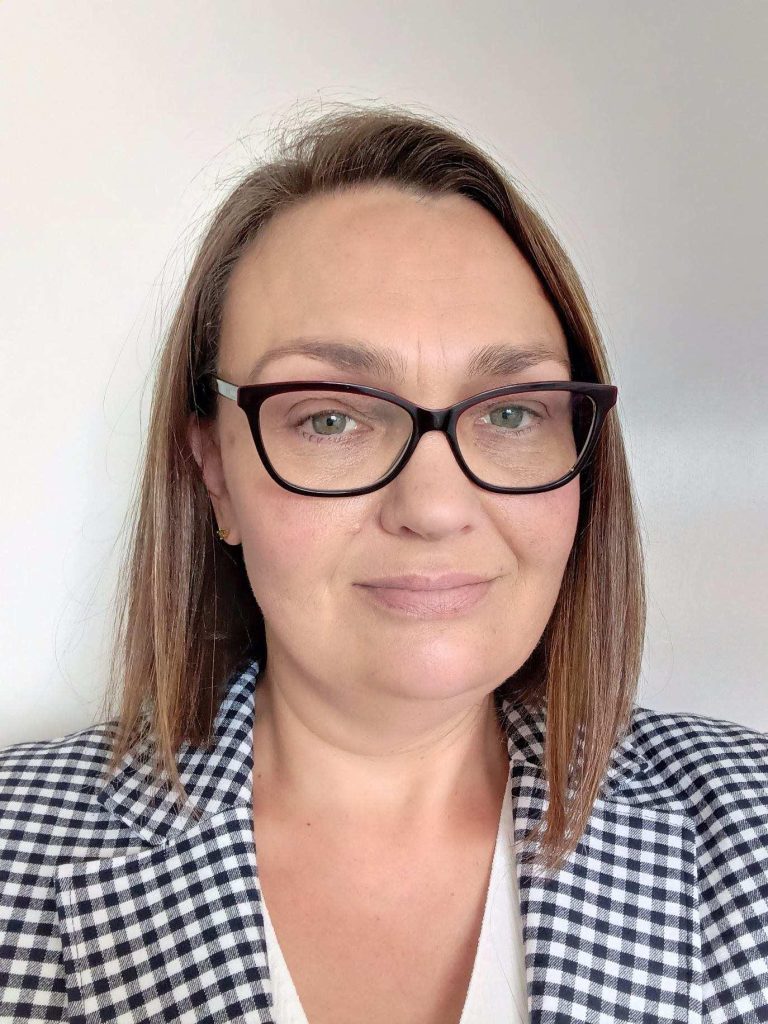
Emma Thomas, Area Manager at LiveBig, says telehealth is often the only viable way for people in regional areas to access consistent support.
“For many people, telehealth is not just a convenient option - it is the only way they can access therapy,” Emma said. “If there are no clinicians nearby, or the nearest service is hours away, telehealth makes it possible to receive support that would otherwise be out of reach.”
Rather than changing the goals of therapy, telehealth changes how people access it. Supports such as psychology, behaviour support and capacity building sessions often involve discussion, reviewing strategies and problem solving, which can translate well to a telehealth session.
In practice, telehealth is often used during temporary disruptions. Illness, fluctuating energy levels, school or work schedule changes, travel barriers or periods of increased anxiety can make leaving home difficult even though support remains important. Shifting to telehealth can allow sessions to continue without losing progress.
Participating from home can also influence how support works. Seeing routines and environments through video can help clinicians understand practical challenges in real time and tailor strategies that are easier to use between sessions. For some participants, familiar surroundings can also reduce stress associated with attending appointments in unfamiliar settings.
Emma says telehealth is helping ensure people can start and continue support, regardless of where they live.
“Access shouldn’t depend on your postcode,” she said. “Telehealth means people can begin working towards their goals sooner, rather than waiting months or missing out entirely.”
The podcast episode includes clinicians discussing what telehealth sessions look like in practice, which supports work well remotely and how participants may move between in person and telehealth appointments over time depending on their needs.
For those unsure if telehealth is the right fit, an initial conversation can help. LiveBig offers a free consultation session with a clinician to discuss whether telehealth is appropriate and what approach is likely to work best for the individual. For more information, visit https://www.podcast.livebig.com.au/e/how-can-telehealth-make-allied-heath-support-more-accessible-and-convenient/
ENDS
Issued by Lanham Media on behalf of LiveBig.
Media Contacts:
Greg Townley | [email protected] | 0414 195 908
Fleur Townley | [email protected] | 0405 278 758
Media Assets available here
Available for interview:
- Emma Thomas, Area Manager, LiveBig
About LiveBig
LiveBig is a specialist allied health and assessment services provider for people with disability, including those on the NDIS. LiveBig is registered with the NDIS Quality and Safeguards Commission. LiveBig simplifies the process of accessing support services at home, via telehealth, and in the community. LiveBig is part of the Arriba Group, which includes Rehab Management, AimBig Employment, and LiveBig. For more information, visit www.livebig.com.au.
Endnotes / References
[1] Australian Bureau of Statistics (2024 to 25). Patient Experiences in Australia: Approximately 26 per cent of people accessing mental health care used telehealth at least once.