Australia’s beef industry is set to remain on a firm footing through 2026 despite record production levels, supported by strong global demand and resilient export markets, Rabobank says in its newly-released Australian Beef Seasonal Outlook 2026.
The annual report, by the agribusiness banking specialist’s RaboResearch division, says while record supply levels – with high cattle inventories and peak slaughter volumes –present risks, particularly if seasonal conditions deteriorate, continued demand from international markets, led by the United States, is providing an important support for prices.
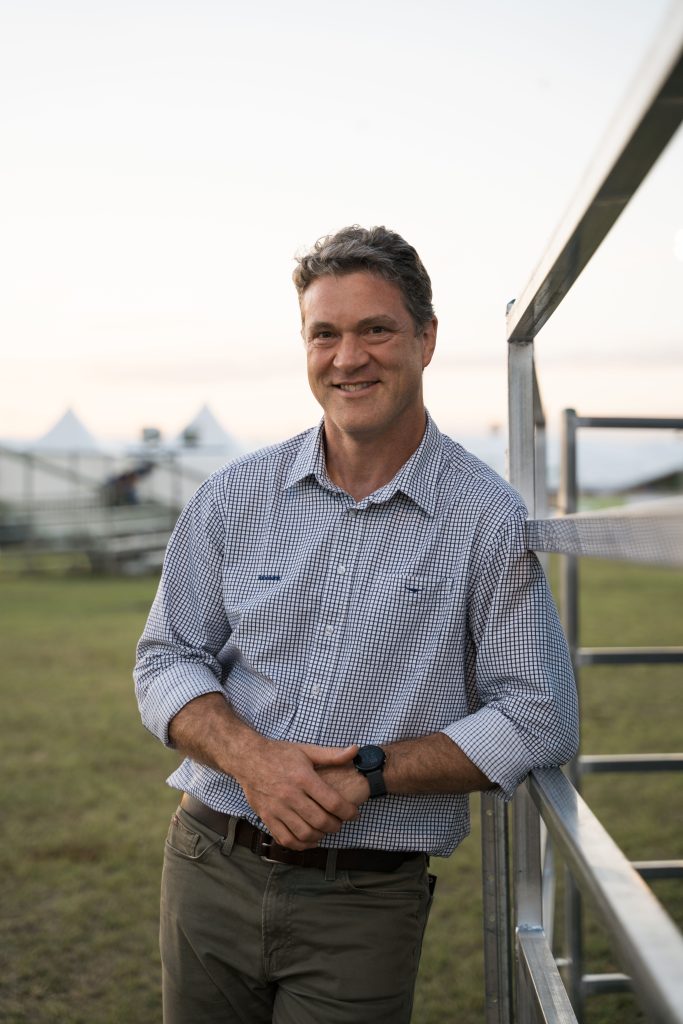
Report author, RaboResearch senior animal proteins analyst Angus Gidley-Baird said successive years of favourable seasonal conditions have allowed the Australian cattle industry to rebuild inventory levels to what RaboResearch believes to be the next cyclical peak.
“This will generate record cattle slaughter and production volumes in 2026,” Mr Gidley-Baird said. “Despite these record volumes, a strong global market is supporting record export prices and, in turn, historically-high cattle prices, particularly for finished cattle.”
RaboResearch projects this strong export market will continue through 2026 and into 2027, driven largely by import demand from the US market.
However, the report says inflationary pressures of the Iran war and the impact on consumer sentiment will need to be watched.
“The strong export market is expected to provide support for the Australian domestic cattle market, and we believe should hold prices around levels seen through Q1,” Mr Gidley-Baird said.
A deterioration of seasonal conditions would be the largest risk in the system, he said.
“With high cattle inventory, dry seasonal conditions – like those conditions being experienced in parts of New South Wales – could force producers to sell stock rapidly into a market flush with cattle,” Mr Gidley-Baird said. Slaughter volumes are already at historically high levels, adding an additional 10 per cent to these levels as we have seen in previous drought conditions would test the capacity of the system.”
High inventory
“High cattle inventory, and subsequently record slaughter volumes, means Australia is operating close to our maximum processing capacity,” Mr Gidley-Baird said.
The report says current weekly slaughter numbers (of around 160,000 head) are getting close to the historical highs of 2014 – of approximately 178,000 head.
“Currently these volumes are being accommodated but if seasonal conditions were to force an additional 10 to 15 per cent of cattle on to the market – as the sector saw in 2013 and 2018 – it would place serious pressure on the system to keep up,” it said.
Chinese import quotas
Mr Gidley-Baird said the new Chinese import quota for Australian beef for 2026 (205,000 tonnes) will have some timing impacts.
Based on current export volumes, RaboResearch believes Australia will reach the quota limit in May or June. This may affect processor-buying activity around that time as they look to pivot to other markets.
“China is Australia’s second-largest market for grainfed beef behind the domestic market,” Mr Gidley-Baird said. “The commencement of a new quota year in January 2027 may provide an opportunity for increased grainfed beef exports to China in Q1 2027 which in turn may mean an uplift in demand for feeder cattle in September/October 2026.”
Middle East conflict
While the Middle East is only a small market for Australian beef exports and a relatively small player in global beef markets, Mr Gidley-Baird said the current conflict in the region does have the potential to increase costs and cause disruption in beef supply chains.
“Higher fuel and freight costs may impact sourcing strategies for livestock buyers,” he said.
“Inflationary pressures may also impact consumer-spending patterns in export markets. Asian markets are possibly more exposed, given their higher reliance on Middle East oil supplies.”
Cattle price outlook
Mr Gidley-Baird said finished cattle prices are expected to hold steady, at the high end of the 10-year range.
RaboResearch modelling indicates heavy steer prices should remain close to early 2026 prices through the remainder of the year and into 2027 – around AUD 4.50/kg lwt (live weight). Weaner cattle prices are expected to hold steady at around the five-year average in 2026.
“Strong export markets and demand for finished cattle should help support demand for weaner cattle and store stock,” Mr Gidley-Baird said.
“But high cattle inventory and seasonal conditions are likely to mean there is little upside movement and prices are expected to hover around the five-year average – about AUD 4-4.50/kg lwt – with potential for downside movement.”
Financial health
Mr Gidley-Baird said the ongoing high cattle turnoff and good cattle prices are leading to expectations of higher incomes for many beef producers, which are anticipated to offset an increase in costs – resulting in a positive financial outlook for 2026.
“Conflict in the Middle East is expected to add costs to budgets, in particular through increased fuel, fertiliser and freight costs,” he said. “However, these costs only account for about 10 to 15 per cent of total beef cattle farm operating costs and therefore are expected to have only a limited impact on farm budgets. Rising interest rates (accounting for about an average 10 per cent of costs) will also add to the increasing costs.”
Mr Gidley-Baird said results from the Q1 national Rabobank Rural Confidence Survey indicate Australian beef producers largely expect incomes to stay the same in 2026.
“The Q1 2026 Rabobank Rural Confidence Survey, conducted in February – prior to the Iran war – indicated that 54 per cent of Australian beef producers expect incomes to be the same, with 31 per cent expecting incomes to be higher and 12 per cent expecting incomes to be lower,” he said.
<ends>
RaboResearch Disclaimer: Please refer to Australian RaboResearch disclaimer here
Media contacts:
Denise Shaw Will Banks
Media Relations Media Relations
Rabobank Australia & New Zealand Rabobank Australia
Phone: 02 8115 2744 or 0439 603 525 Phone: 0418 216 103 103
Email: [email protected] Email: [email protected]
About us:
Rabobank Australia & New Zealand Group is a part of the international Rabobank Group, the world’s leading specialist in food and agribusiness banking. Rabobank has more than 125 years’ experience providing customised banking and finance solutions to businesses involved in all aspects of food and agribusiness. Rabobank is structured as a cooperative and operates in 35 countries, servicing the needs of more than nine million clients worldwide through a network of more than 1000 offices and branches. Rabobank Australia & New Zealand Group is one of Australasia’s leading agricultural lenders and a significant provider of business and corporate banking and financial services to the region’s food and agribusiness sector. The bank has 87 branches throughout Australia and New Zealand.