
Australian SMEs and their advisers are being urged to use the new financial year to assess whether their working capital is ready to support the opportunities and pressures ahead.
CreditorWatch’s latest Business Risk Index found business-to-business payment arrears had reached their highest level since January 2020, with more invoices moving beyond 60 days overdue as operating costs, energy prices, interest rates and tax debt place pressure on business cash flow.
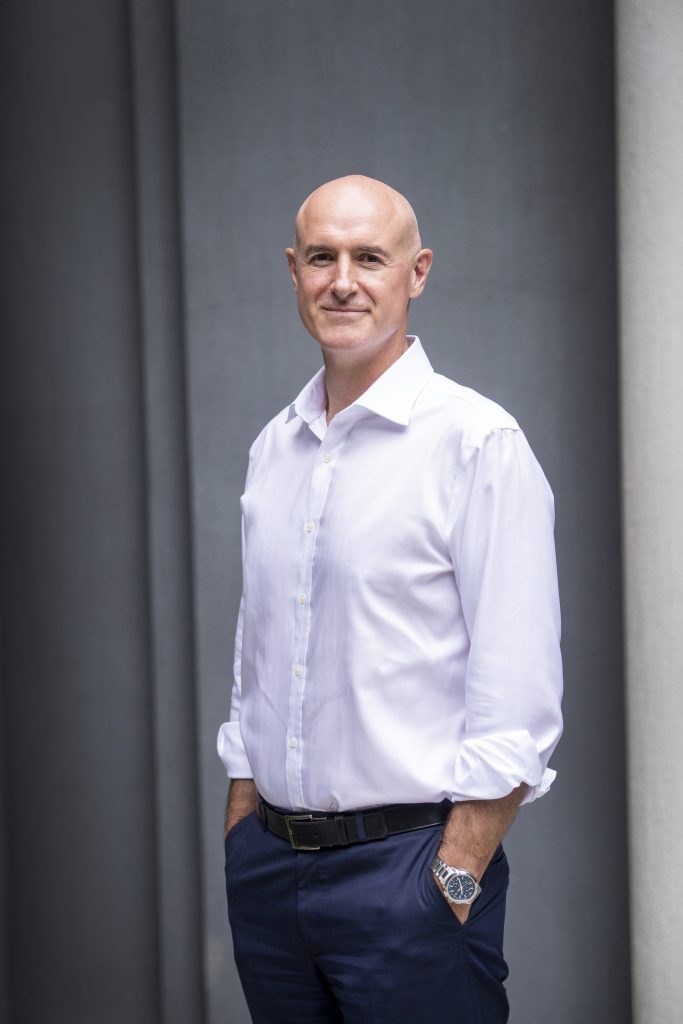
Earlypay Chief Executive Officer James Beeson said the new financial year provided an important opportunity for businesses to reflect on their current position, consider what they wanted to achieve next and assess whether their cash flow could support those plans.
“Late payments are at their highest level in six years, and that tells us cash-flow pressure is spreading through Australian businesses,” Mr. Beeson said.
“Adding to those pressures, Payday Super and the Fair Work minimum wage increase are two immediate changes business owners need to build into their plans for the year ahead.
“Combined with the broader pressure on fuel, energy, stock, freight and other inputs, it makes forward-looking cash-flow planning more important than ever.”
From 1 July 2026, the Fair Work Commission will increase the National Minimum Wage to $1,004.90 per week, or $26.44 per hour. Minimum award wages will also increase by 4.75 per cent, with the new rates applying from the first full pay period starting on or after 1 July 2026.
Mr. Beeson said while the minimum wage increase directly affects award-reliant and lower-paid workforces, it can also influence wage expectations more broadly across the private sector.
“Wage increases at the minimum and award level often become a reference point for the wider labour market,” he said.
“For many SMEs, that can mean upward pressure on the overall salary cost base, not just for employees directly covered by the increase. In a market where businesses are already managing late payments, higher input costs and tax obligations, even a modest increase in payroll costs can affect cash flow and margins.”
Mr. Beeson said the year ahead would look different for every business, with some preparing for growth opportunities and others managing continued cost and cash-flow pressure.
Some SMEs would need working capital to take on more work, hire staff, increase stock, invest in equipment, or expand. Others would be managing timing pressure created by payroll, super, supplier costs, tax obligations or customers taking longer to pay.
Businesses also needed to consider how exposed they were to customer defaults, debtor concentration, changing market conditions and unexpected cash-flow disruptions.
For those preparing to make significant commitments in the year ahead, greater visibility over their working capital position could provide more certainty before they acted.
Those external pressures and internal decisions must not be considered separately.
“A business may win an excellent new contract, but then need to employ more people, buy stock, pay suppliers or invest in equipment before the customer payment arrives,” Mr. Beeson said.
“That is where working capital becomes a strategic issue. It is not simply about helping a business get through a difficult period. It is also about giving owners the capacity to act on opportunities when they present themselves.”
The CreditorWatch report found Transport, Postal and Warehousing recorded a rolling annual insolvency rate of 1.24 per cent, while Manufacturing reached 1.13 per cent. More than seven per cent of invoices in the transport sector were over 60 days overdue.
Mr. Beeson said the figures were particularly relevant to industries with high labour, fuel, materials and supplier costs, where businesses could remain profitable while still experiencing pressure in their bank account.
“Profit and cash are not the same thing,” he said.
“A business can record a sale but still be waiting weeks or months for the money to arrive, while wages, tax, superannuation, suppliers and other operating costs must be paid on time.”
Mr. Beeson said finance brokers and accountants had an important role in helping SMEs prepare before a working capital need became urgent.
Rather than focusing only on an immediate finance transaction, finance brokers and other advisers could help clients consider what the business planned to do over the next 12 months, what those plans would require upfront and how changing economic or industry conditions could affect the timing of cash flow.
“Most SME owners are busy running the business, serving customers, managing staff and keeping operations moving,” Mr. Beeson said.
“A good adviser can help owners step back and look beyond a single transaction. That means understanding what the business wants to achieve, what it will need to fund along the way and whether its current cash position and funding arrangements are ready to support it.
“Those conversations are most valuable before the business has committed to a new contract, investment or expense, rather than after a funding gap has already appeared.”
Mr. Beeson said businesses and their advisers should use the new financial year to review upcoming commitments, update cash-flow forecasts and consider how the business would respond if customers paid later, costs increased or a new opportunity arose.
“There are risks in the market, but there are also real opportunities,” he said.
“Businesses cannot predict everything that may happen over the year ahead, but they can understand where they want to go and what their cash flow will need to deliver.
“Your plans are only as good as the cash flow available to support them.”
About us:
Earlypay Limited (ASX: EPY) is an Australian-listed lender which delivers flexible working capital finance solutions Australian businesses can rely on.
Earlypay has supported thousands of Australian SMEs for more than 25 years through solutions such as invoice finance and equipment finance - helping them improve cash flow, unlock capital and access a broader range of assets with confidence.
Contact details:
Mark Eggleton
New Romans
0430 095 111