- This year's NAIDOC Week (5–12 July) marks 50 years of celebrating the culture, strength and achievements of Aboriginal and Torres Strait Islander peoples, with the theme '50 Years of Deadly'.
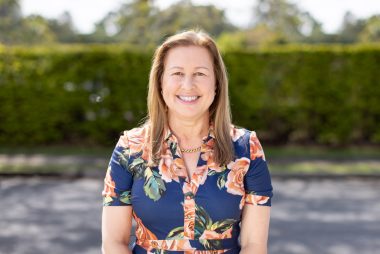
- Vena Beetson, a First Nations Triple P Implementation Consultant, encourages families to engage with First Nations knowledge and stories, emphasising that curiosity and a willingness to listen are important.
- Small everyday moments, such as sharing stories and listening deeply, can help children develop confidence, a sense of belonging, and respect for different cultural perspectives.
- Triple P suggests practical ways for families to mark NAIDOC Week, including reading books by First Nations authors, watching films or listening to music by First Nations creators, and attending local community events.
- Triple P for First Nations Families is designed to build parents' confidence, self-efficacy, problem-solving skills, and ability to make decisions that work for their own families.
- Free online parenting support is available 24/7 at triplep-parenting.net.au, funded by the Australian Government Department of Health, Disability and Ageing.
This NAIDOC Week (5−12 July), Triple P – Positive Parenting Program experts are encouraging families across Australia to come together and connect while recognising five decades of celebrating the culture, strength and achievements of Aboriginal and Torres Strait Islander peoples, the world’s oldest continuous living cultures.
Vena Beetson, A First Nations (Gubbi Gubbi and Wiradjuri) Trainer and Triple P Implementation Consultant, said the week provides a valuable opportunity for families to engage with and explore First Nations knowledge, stories and perspectives in ways that feel meaningful in everyday life.
“This year’s theme, ‘50 Years of Deadly’, highlights both reflection and looking ahead,” Ms Beetson said. “Families don’t need all the answers when talking about NAIDOC Week or First Nations histories and cultures, just a willingness to be curious, to listen and to learn alongside their children.”
“NAIDOC reflects the ongoing leadership and cultural knowledge that remain deeply connected to First Nations ways of knowing, doing and being. It’s not just about recognising the past but thinking about how we support the next generation in everyday family life,” she said.
“In our work with First Nations communities across Australia, there’s a strong focus on thinking long-term, planning for the next 60,000 years. It’s a perspective grounded in care, connection and responsibility across generations.”
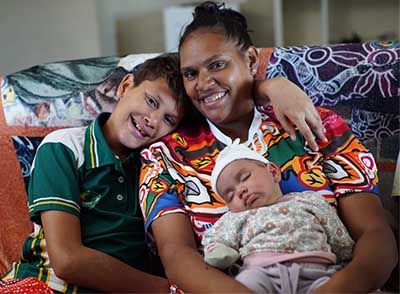
Ms Beetson said small, everyday moments at home can play a powerful role in shaping children’s future.
“When children feel heard and included, they grow in confidence and develop a strong sense of belonging,” she said.
“Simple things like sharing stories and listening deeply help children understand different cultural perspectives, build respect for the world around them, and create positive shared experiences for families.”
“For many children, conversations about NAIDOC Week often begin at school and carry into the home, which can be a great starting point for families,” Ms Beetson said.
“Asking what your child has learned or what they’re curious about helps keep those discussions going and shows them that their ideas matter.”
Triple P offers tips for celebrating NAIDOC Week as a family:
• Read and connect: Choose a children’s book by a First Nations author and read together
• Watch and listen together: Explore films, animations or music by First Nations creators
• Join local celebrations: Attend a community NAIDOC event or activity
“Engaging with NAIDOC Week together helps children grow up with respect, curiosity and connection, values that stay with kids over time and shape how they see themselves, others and their place in the world.”
For more information about NAIDOC Week visit naidoc.org.au
Delivery of the Triple P – Positive Parenting Program to parents and carers of children in Australia is supported by funding from the Australian Government Department of Health, Disability and Ageing under the Parenting Education and Support Program. Parents and carers can access free, online parenting support 24/7 at triplep-parenting.net.au
– ENDS –
About us:
About Triple P International:
· A Certified B Corporation™ headquartered in Brisbane, Australia, Triple P International (TPI) is a social enterprise creating global positive social change by disseminating the Triple P – Positive Parenting Program® and putting evidence-based parenting in the hands of every parent.
· Triple P is ranked by the United Nations as the world’s most extensively researched parenting program and is backed by four decades of ongoing research.
· Triple P has helped millions of children and their families and has been translated into 23 languages other than English.
· Worldwide, more than 112,700 practitioners from over 80 countries have participated in Triple P training.
· The Triple P – Positive Parenting Program was created by Professor Matt Sanders and colleagues from The University of Queensland’s Parenting and Family Support Centre.
· Triple P is typically implemented by government bodies across regions/countries and is supported by federal and state governments in Australia. For more information on TPI, visit triplep.net
Contact details:
For media enquiries, please contact: Triple P Global Public Relations Manager – Cate Kennedy at 0477 286 557 | [email protected]