-
A new five-year $4.6 million research program, supported by the Australian Government’s Medical Research Future Fund, will test whether an innovative stem cell therapy can reverse the devastating effects of Parkinson’s disease.
-
Developed by iCamuno Biotherapeutics, the therapy will be evaluated in preclinical studies with partners at Monash University, The Florey, the University of Sydney and WEHI, before progressing to a clinical trial led by the Royal Melbourne Hospital, with expansion to the Alfred Hospital.
-
The therapy involves the transplantation of dopamine-releasing neurons with the potential to repair brain damage caused by Parkinson’s disease, without the need for long-term immunosuppression, a key limitation of other stem cell approaches.
Media Release
2 July 2026
New stem cell therapy aims to ‘turn back the clock’ on Parkinson’s disease
Key points
-
A new five-year $4.6 million research program, supported by the Australian Government’s Medical Research Future Fund, will test whether an innovative stem cell therapy can reverse the devastating effects of Parkinson’s disease.
-
Developed by iCamuno Biotherapeutics, the therapy will be evaluated in preclinical studies with partners at Monash University, The Florey, the University of Sydney and WEHI, before progressing to a clinical trial led by the Royal Melbourne Hospital, with expansion to the Alfred Hospital.
-
The therapy involves the transplantation of dopamine-releasing neurons with the potential to repair brain damage caused by Parkinson’s disease, without the need for long-term immunosuppression, a key limitation of other stem cell approaches.
In recent years, stem cell therapy has emerged as a promising new approach to repair damaged brain cells in people living with Parkinson’s disease, but transplant rejection has been an obstacle.
After a small number of clinical trials globally have demonstrated that stem cell therapy can be a safe option for Parkinson’s disease, the Australian Government has awarded $4.6 million through the Medical Research Future Fund to a team of Australian researchers to trial an innovative new approach.
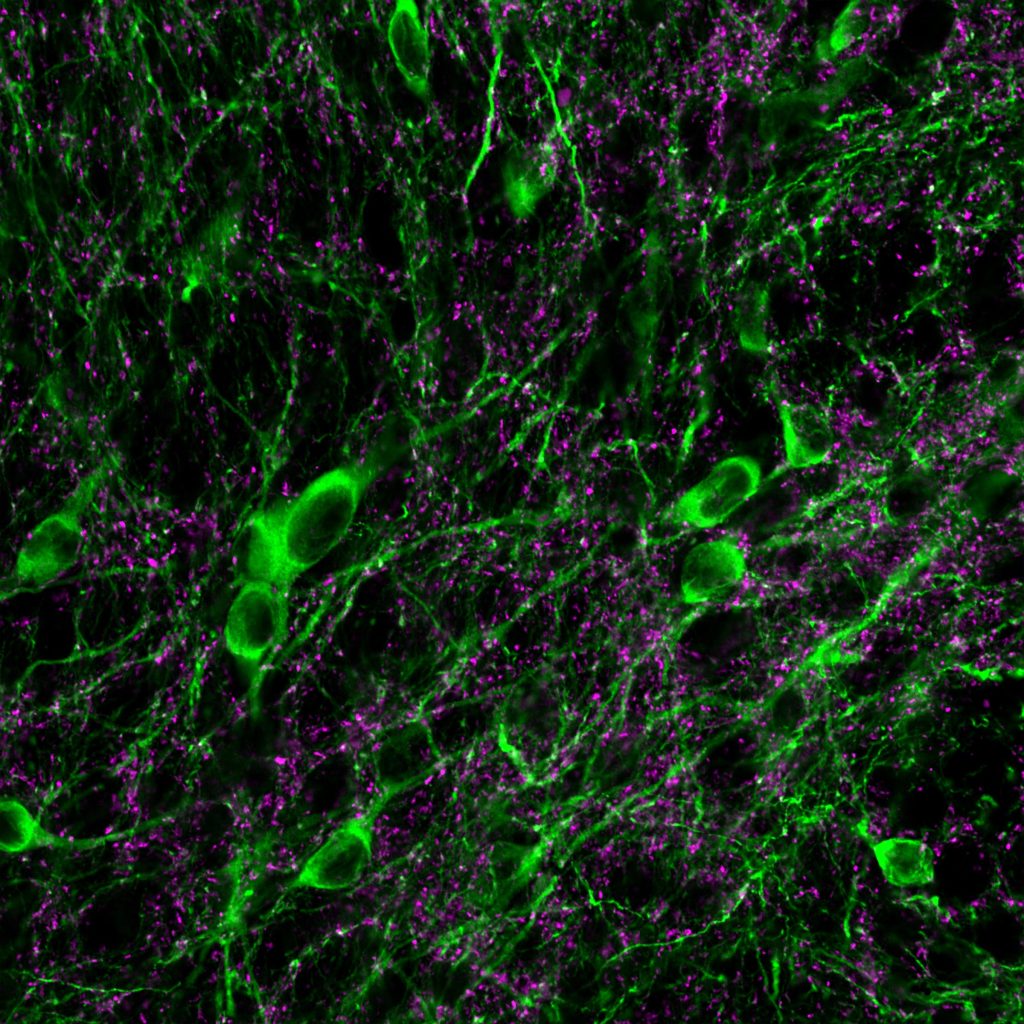
Developed by regenerative medicine company iCamuno Biotherapeutics, the therapy uses a modified stem cell line that gives rise to dopamine-producing neurons engineered to evade recognition by the immune system after implantation into the brain, thereby reducing the risk of transplant rejection and avoiding the need for immunosuppressive drugs that can have significant side effects.
Dopamine-producing neurons in the brain progressively die in Parkinson’s disease, leading to loss of movement and other debilitating symptoms.
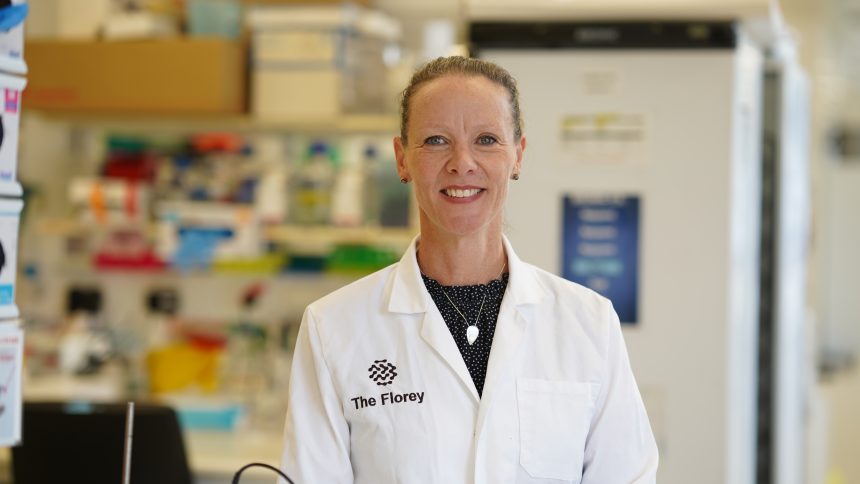
The Florey Institute of Neuroscience and Mental Health’s Deputy Director and leading stem cell researcher, Professor Clare Parish, will co-lead the project’s preclinical research, including studies to test the safety and effectiveness of using lab-grown dopamine-releasing neurons, alongside researchers from the University of Sydney.
“By restoring dopamine in the brain that is lost as a result of Parkinson’s disease, we are confident we will be able to not only halt progression but also modify the disease in a targeted way to reverse the damage,” Professor Parish said.
“In effect, we are aiming to turn back the clock on Parkinson’s and give people living with the disease the movement and brain function they have lost, hallmarks of the disease which have profound effects on their lives.”
The final stage of the program will be a clinical trial led at the Royal Melbourne Hospital by Associate Professor Andrew Evans, RMH Director of the Movement Disorders Service, with expansion to the Alfred Hospital.
Associate Professor Evans previously led the world’s first Phase I clinical trial of stem cell therapy for Parkinson’s disease and will lead the first-in-human study in this program.
“This will be one of the first clinical trials to test whether a hypoimmune neural cell therapy, which is specifically engineered to evade the immune system, can survive and function without the need for long-term immunosuppression,” Associate Professor Evans said.
“We have built significant expertise in delivering stem cell therapies for Parkinson’s disease and are well placed to conduct this trial safely and rigorously, while generating the data needed to support future clinical development.”
The lead investigator of the research program is Associate Professor Matthew McCormack, Senior Director at iCamuno Biotherapeutics and Adjunct Associate Professor at Monash University.
“This program will use AI-guided virtual cell modelling - a platform that simulates living cells - to enhance the quality, consistency and scalability of therapeutic neurons.
“If successful, the approach could support a one-time, disease-modifying treatment for Parkinson’s disease – something not achievable with current therapies, which only manage symptoms.”
In addition, the research integrates lived experience through WEHI’s Parkinson’s disease consumer program, ensuring strong community involvement throughout the study.
Parkinson’s disease is the fastest-growing neurological disease globally, affecting more than 200,000 Australians and 10 million people world-wide.
-ends-
About us:
The Florey is an independent medical research institute devoted to tackling brain and mental health conditions. Our mission is to improve lives through research. We envisage a world where early detection and timely intervention mean these conditions are preventable or treatable, so that we can all live full and healthy lives. We have more than 50 teams investigating our research priorities: Dementia, Neurodegeneration and Immunology, Stroke and Critical Care, Epilepsy and Neurodevelopment, and Mental Health. Find out more about us on our website: www.florey.edu.au
Contact details:
Anastasia Salamastrakis, Media and Communications Manager
[email protected] | 0456 666 271