

New report shows reuse can change the game
Photos available here: https://dams.wwf.org.au/resourcespace?c=6622&k=74c9e73190
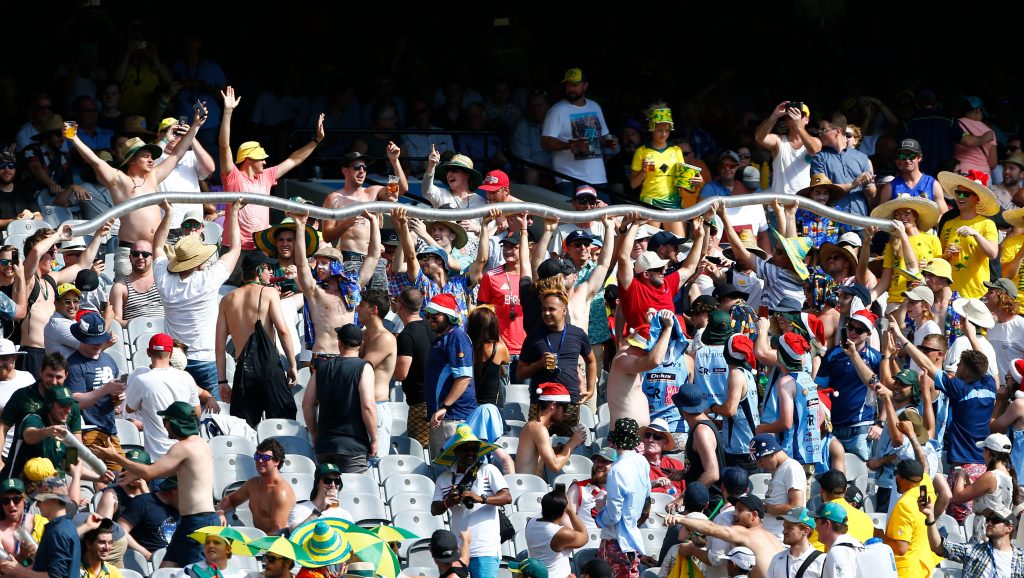
They’re a symbol of Aussie larrikinism – the stadium beer snake made from plastic cups. But they’re also one of the most conspicuous examples of the single use plastic waste that belongs in a bygone era.
Twelve million plastic cups could be kept out of Australia’s landfills and oceans every year if major sporting venues switched to reusable alternatives.
A new report from WWF-Australia explores how reuse systems can help solve Australia’s plastic waste crisis.
It shows stadiums have a massive opportunity to cut plastic waste, starting with one of the worst offenders: single-use plastic cups.
Approximately 12 million plastic cups are used at Australia’s top 30 major stadiums each year, according to analysis from WOSUP - War on Single Use Plastic.
These cups could ultimately end up in landfill or oceans and waterways, where they can remain for hundreds of years.
“From footy finals to rock concerts, major events produce millions of environmentally harmful plastic cups that are used once and thrown away,” said Malene Hand, WWF-Australia’s No Plastic in Nature Policy Manager.
“Our report shows we can dramatically cut this waste.
“Stadiums provide a closed-loop environment to test and scale reuse systems, but we need federal and state governments to provide the right regulations and incentives.”
Proven success at ENGIE Stadium
The report highlights the successful partnership between WOSUP, Sydney Showgrounds and the GWS GIANTS.
The GIANTS became the first AFL club to replace single-use plastic beer cups with reusable aluminium cups from WOSUP at its home games at ENGIE Stadium.
Since making the switch in 2024, the stadium has prevented more than 208,000 plastic cups and 2,290 kilograms of plastic waste from going to landfill.
An NSW EPA-commissioned survey of fans at a GIANTS match in May 2026 also found 97% were in favour of reusable cups replacing single use cups at sporting and music events.
Ms Hand said other sporting clubs and major events, including the Brisbane Olympics, can replicate this success with the right infrastructure and fan engagement.
“Paris raised the bar on reuse at the Olympics, providing reusable cups and containers to spectators. Brisbane now has the chance to build on that momentum,” she said.
Recycling isn’t enough
The report, compiled by Deloitte, warns Australia can’t recycle its way out of the plastic crisis.
Australia’s 2025 National Packaging Targets have not been met, with the target of recycling or composting 70% of plastic packaging proving the biggest challenge.
Meanwhile, the amount of plastic packaging continues to surge.
Without action, the Australian Government estimates over 12 million tonnes of new packaging could be entering the market each year by 2040. This is up from 7 million tonnes in 2022-23.
Australia’s environment ministers have agreed to packaging reforms, but progress has been slow and the focus remains on recycling.
The NSW Government is the first state to announce a plan to scale up reuse and trial reusable cup systems in stadiums and other venues.
Ms Hand urged federal and other state governments to follow this lead.
“A reform agenda focused only on recycling simply won’t work,” she said.
The report calls for governments to set mandatory targets for packaging reuse, invest in reuse infrastructure and work with industry to drive innovation.
“Reuse businesses want to grow and be a part of a system-wide change, but they are being held back by a lack of engagement and enabling regulation,” said Ms Hand.
“Government leadership is critical. Backing reuse systems now will create new revenue streams and jobs that benefit Australia’s environment and economy.”
Contact details:
Paul Fahy, 0455 528 161, [email protected]