
Photos can be downloaded here and videos here.
A new report launched today ahead of the Pacific Islands Forum is calling for coordinated action to protect the ocean migration routes that connect whales, dolphins and communities across the Pacific.
Western Pacific Blue Corridors uses satellite tracking and other data of whale movement with local cultural knowledge and stewardship to show how migration routes and critical habitats increasingly overlap with threats such as fishing, shipping, underwater noise, pollution, under-regulated tourism and a changing climate.
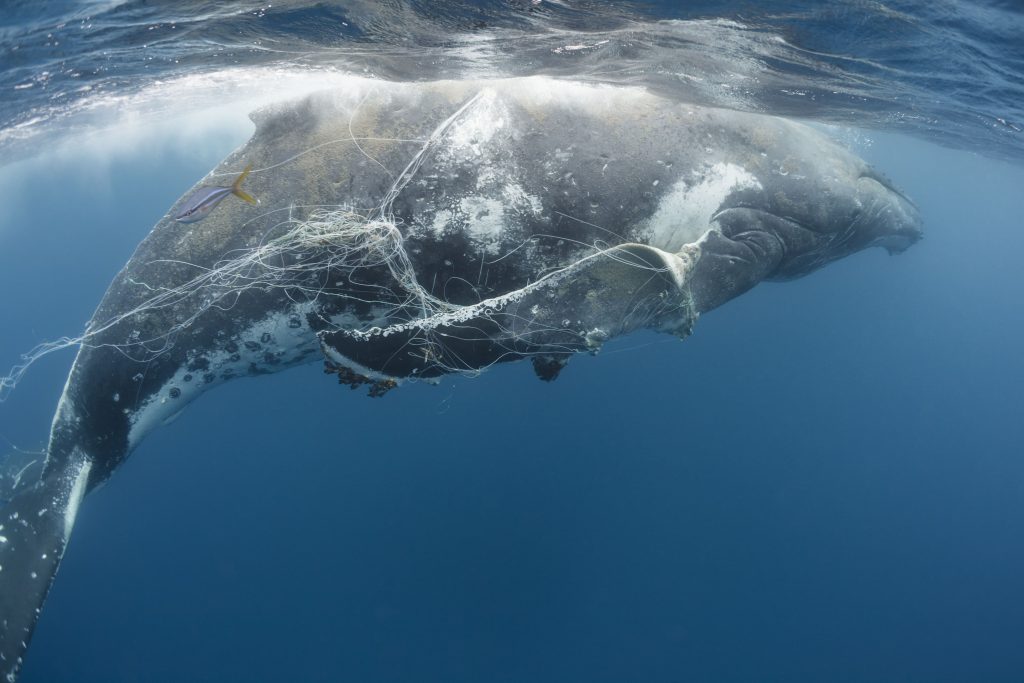
The report warns this is creating a dangerous and sometimes fatal obstacle course for whales, dolphins and other migratory marine life.
It shows how Pacific countries including Australia could work together to build a network of protection for migratory species like whales and dolphins across borders.
The initiative already has the backing of countries like Tonga.
Prime Minister of Tonga, Lord Fatafehi Kinikinilau Lolomana‘ia Fakafānua said: “Tonga is committed to advancing the protection of blue corridors nationally and regionally with neighbouring countries. Protecting whales and other migratory marine species depends on safeguarding the connected ocean pathways they use across national waters and the high seas. This underscores the need for countries to work together to support a healthy ocean and thriving, sustainable blue economies. The Western Pacific Blue Corridors Initiative will help guide Tonga’s ocean commitments and strengthen coordinated Pacific action for our ocean, our people and future generations.”
Blue corridors are migratory pathways used by marine species such as whales, dolphins, sharks, turtles, tuna and rays. They connect the critical habitats these species depend on to feed, breed, rest and socialise as they move across the ocean.
Across the Pacific, these journeys also carry knowledge, kinship and identity, along with responsibilities of stewardship passed through generations.
Alfred Ralifo, WWF Pacific Conservation Director, said: “Whales and dolphins are kin, ancestors and guides woven through our cultures. Protecting their blue corridors is an act of stewardship for generations to come. WWF-Pacific is proud to work with communities, governments and partners to keep these ocean pathways alive.”
The Western Pacific Blue Corridors report grew from a workshop held in Fiji in February.
Hosted by WWF, the Secretariat of the Pacific Regional Environment Programme and the International Whaling Commission, the gathering brought together traditional knowledge holders and Indigenous leaders, government representatives from 11 countries, scientists, fisheries organisations and conservationists to co-design responses suited to the region.
A major outcome was the establishment of the Western Pacific Blue Corridors Initiative to connect countries, projects and partners around a shared ocean-connectivity agenda.
The report marks an important first next step, bringing together satellite tracking, photo-identification and other evidence to examine blue corridors and conservation opportunities across Tonga, the Cook Islands, Fiji, New Caledonia, Vanuatu, Papua New Guinea, Aotearoa New Zealand and eastern Australia.
Professor Rochelle Constantine, University of Auckland - Waipapa Taumata Rau, and a co-lead of the Blue Corridors Initiative, said: “Science is revealing how whales connect breeding, feeding and social habitats across the Pacific. Combining tracking data with Indigenous and local knowledge helps us see where protection can make the greatest difference.”
The report identifies four priorities for action:
- Build networks of marine protected areas, strengthen ecological connectivity and improve ocean governance to contribute to global ocean goals
- Enhance cooperative action to reduce threats across ocean sectors
- Invest in traditional knowledge and local stewardship
- Build durable finance to support regional cooperation
Case studies in the report show momentum already exists, from large-scale and transboundary ocean initiatives to community stewardship, emerging mapping tools, fisheries innovation and better approaches to shipping and tourism.
The opportunity now is to connect, resource and scale what works.
Next week’s Pacific Islands Forum in Palau is a chance to build on political momentum and turn a shared vision for a connected Blue Pacific into practical commitments.
Nicole Forrester, WWF-Australia’s Chief Regenerative Officer, said: “Healthy whales help sustain healthy oceans. That’s why protecting blue corridors matters not only for marine species, but for the people, cultures and economies that depend on a healthy, connected Pacific Ocean.”
Contact details:
Paul Fahy, 0455 528 161, [email protected]