The triggering of a range of trade restrictions – primarily from China – is beginning to reshape beef flows around the world, Rabobank says in a newly-released report.
The specialist agribusiness bank says the impact has been most visible in Australia, after China’s “safeguard quota” for Australian beef imports was reached in mid-June.
This saw Australian beef exports to China fall 71 per cent month-over-month from May to June, with July volumes remaining similarly low, the bank’s RaboResearch division said in its Q3 Global Beef Quarterly report.
Much of this Australian product has been redirected to alternative destinations, the report said, with Japan, South Korea, the United States and the Middle East all recording significant increases in Australian beef imports through June and July.
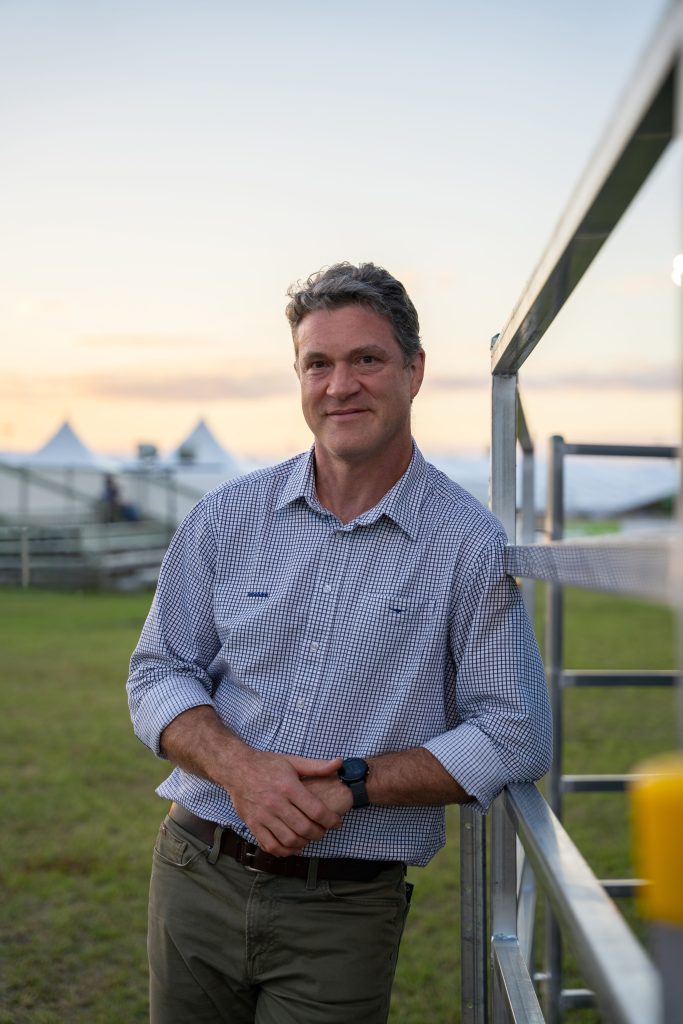
Report lead author, Rabobank senior animal protein analyst Angus Gidley-Baird said Brazil is also expected to hit its Chinese beef import quota limits in the coming month, with anticipation of reduced access to China already pressuring Brazilian cattle prices lower.
Mr Gidley-Baird said as Australian beef shipments to China declined following the triggering of the quota, Chinese buyers have turned to other suppliers.
“Chinese imports from New Zealand rose 66 per cent year-over-year for the first six months of 2026, while volumes from Canada and Bolivia increased 104 per cent and 62 per cent respectively year-over-year for the same period,” he said.
Attention is now shifting to September, Mr Gidley-Baird said, when a proposed EU suspension of Brazilian beef (and other meat) imports – due to concerns Brazil cannot demonstrate compliance with EU antimicrobial use – could “trigger another reshuffling of global trade”.
“If this suspension is implemented, roughly 10,000 metric tonnes per month of Brazilian beef would need to find alternative markets, increasing competitive pressure across key importing regions,” he said.
Global prices
The report notes global prices had pulled back “modestly” in July from the record levels reached earlier in the year. Prices in Australia, Canada and the US declined between two and six per cent on June levels.
“Improved cattle availability, growing consumer resistance to higher beef prices and trade disruptions have all contributed to weaker market sentiment,” Mr Gidley-Baird said.
And further “price consolidation” is possible over the next several months, as markets adjust to changing supply and demand dynamics, he said.
Global production
The report says RaboResearch’s forecast for lower global beef production “remains firmly intact”.
“While Q2 data is not yet complete, production is expected to decline across key markets, including Europe, the US, Brazil and China,” Mr Gidley-Baird said.
The production downturn is expected to continue over the next 12 months, he said, with Brazil projected to post the largest volume decline.
“Overall, global beef production is forecast to fall two per cent year-over-year in the calendar year to December 2026, further tightening supplies and supporting market fundamentals,” he said.
Australia
Australian beef production volumes, though, continue at a strong pace, the report says.
“Australia’s national weekly slaughter volumes continue to track around 150,000 to 160,000 head per week, which is in line with the first half of this year,” Mr Gidley-Baird said. “And year-to-date total weekly slaughter volumes are up six per cent on the same time last year.
“RaboResearch believes these ongoing elevated Australian slaughter and sale numbers are a result of a larger cattle inventory and productive cattle herd. Cattle saleyard numbers continue to be some of the highest levels in the past 10 years, 33 per cent higher than the five-year average.”
For Australia, cattle prices remain strong, but eased in late July following a “rain-fuelled rise through May and June”, the report said.
“Although El Niño has been declared, many cattle-producing areas received favourable rainfall through May and June with further falls in August. This saw cattle prices rise in June and July to the highest point for the year as producers took advantage of the better prospects for feed production,” Mr Gidley-Baird said.
“Towards the end of July, though, prices started declining as the combination of the China quota and ongoing caution around seasonal conditions took the heat out of the market.”
RaboResearch believes prices may ease further in coming months as some grain-fed cattle and beef volumes build in the system given reduced export numbers.
“But late in Q3 and into Q4, pending seasonal conditions, the annual January 1 resetting of the China quota is expected to see some support return to the market,” Mr Gidley-Baird said.
<ends>
RaboResearch Disclaimer: Please refer to Australian RaboResearch disclaimer here
Media contacts:
Denise Shaw Will Banks
Media Relations Media Relations
Rabobank Australia & New Zealand Rabobank Australia
Phone: 02 8115 2744 or 0439 603 525 Phone: 0418 216 103
Email: [email protected] Email: [email protected]
About us:
Rabobank Australia & New Zealand Group is a part of the international Rabobank Group, the world’s leading specialist in food and agribusiness banking. Rabobank has more than 125 years’ experience providing customised banking and finance solutions to businesses involved in all aspects of food and agribusiness. Rabobank is structured as a cooperative and operates in 35 countries, servicing the needs of more than nine million clients worldwide through a network of more than 1000 offices and branches. Rabobank Australia & New Zealand Group is one of Australasia’s leading agricultural lenders and a significant provider of business and corporate banking and financial services to the region’s food and agribusiness sector. The bank has 87 branches throughout Australia and New Zealand.