One in two Australian women is experiencing a mental health issue and almost one in four is experiencing severe psychological distress, according to Beyond the Surface 2026, released by Women's Mental Health Australia. The report draws on a nationally representative survey of 9,000 women.
The report finds women's mental health is shaped by the pressures women carry, not by a lack of individual resilience. Financial stress and sleep deprivation are among the most commonly reported triggers, alongside ageing, societal expectations, work and care demands, physical illness and chronic pain. Gendered experiences including family and sexual violence, financial dependency, caring responsibilities and single parenting also contribute. Women living with female specific health conditions, including endometriosis, pelvic floor disorders, pregnancy loss and physical birth trauma, report significantly higher psychological distress than other women.
The same pattern shows up locally. In Melbourne's Southern Metropolitan Region, 20.9 per cent of women reported high or very high psychological distress, compared with 15.0 per cent of men, and 38.0 per cent of women have been diagnosed with depression or anxiety at some point, compared with 23.5 per cent of men (Victorian Population Health Survey 2023, Victorian Women's Health Atlas).
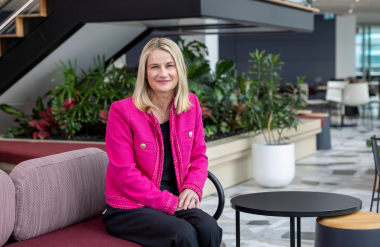
Kit McMahon, Chief Executive Officer of Women's Health in the South East, said the findings should change how services are designed and funded.
"If you treat a woman's pain without ever asking about her mental health, you have only done half the job. Women in our region are not more distressed because they are coping badly. They are more distressed because of what they are carrying and because the system asks them to sort out their body in one place and their mind in another," Ms McMahon said.
"With a state election on 28 November, we are asking every candidate in every seat to back continued investment in prevention and in gender responsive health services. Prevention is the part of the system that reaches women before a crisis, and it is the part that is easiest to quietly lose."
WHISE supports integrated, gender responsive health and mental health services. That means affordable and timely access to support, stronger connection between physical and mental health care, and a workforce equipped to recognise how gender, reproductive health and life stage shape what women present with.
Beyond the Surface 2026 is available from Women's Mental Health Australia at womensmentalhealthaustralia.org.au
------------------ENDS--------------------
About us:
Women's Health in the South East (WHISE) is the Victorian Government funded women's health service for Melbourne's Southern Metropolitan Region, covering ten local government areas from Port Phillip to Cardinia and the Mornington Peninsula. WHISE is a place based, intersectional primary prevention organisation working across gender equality, the prevention of gender-based violence, sexual and reproductive health, mental health and wellbeing, and the prevention of chronic disease. WHISE leads two regional strategies with local partners: Promoting Respect and Equity Together (PRET) and Good Health Down South.
Contact details:
Dos Hetherington, WHISE Communications Lead:
0412317334