
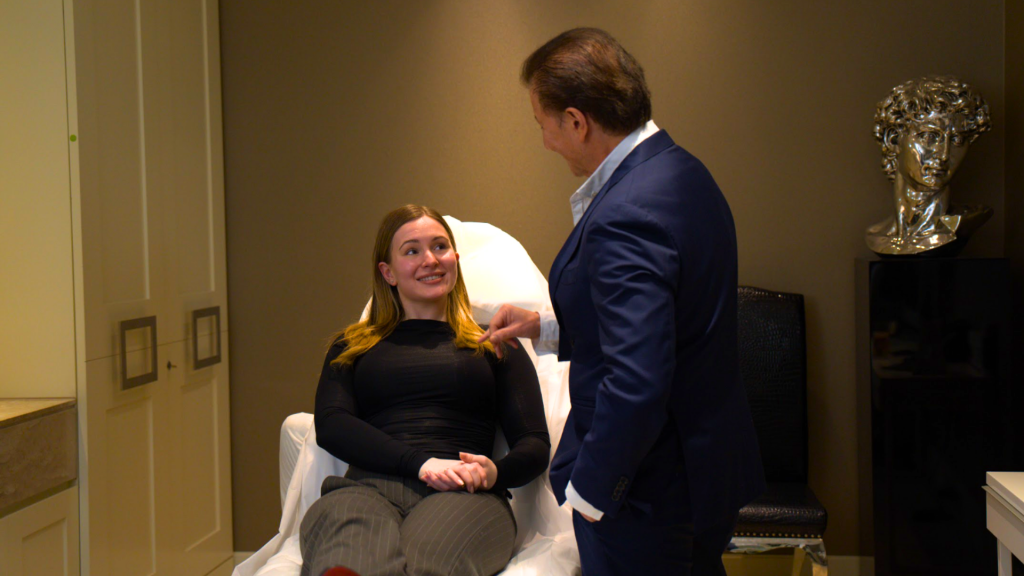
- Dr Tass Cosmetic and Skin Clinics, a Melbourne practice with over 17 years of experience, is urging patients to seek clinical assessment before using peptide treatments, as their popularity has outpaced the supporting evidence base.
- The FDA's Pharmacy Compounding Advisory Committee reviewed several peptides in July 2026, including BPC-157 and Semax, noting a significant lack of robust human clinical evidence, whilst a published systematic review found only modest benefits from peptides overall, primarily from oral supplements rather than topical products.
- Injectable peptides purchased online pose serious safety risks, as products sourced outside regulated supply chains cannot be verified for content or dosage, and patients are often combining multiple compounds without clinical oversight.
- Topical peptide products present a different, less urgent concern — their large molecular size makes skin penetration uncertain, and most consumer products do not disclose the formulation technology needed to assess effectiveness.
- The practice is not opposed to peptides outright, but stresses that the central issue with injectables is sourcing and safety rather than efficacy, a distinction it says is being consistently overlooked in media and social discussion of peptide treatments.
MELBOURNE, Australia — 14 September 2026 — Dr Tass Cosmetic and Skin Clinics, a Melbourne cosmetic medicine practice with more than 17 years of clinical experience since 2009 and over 60,000 procedures performed, is urging patients to seek clinical assessment before adopting peptide treatments, as peptides become one of the most searched and discussed categories in aesthetic medicine without a proportionate evidence base to support how they are being used.
The regulatory picture underlines the concern. The FDA's Pharmacy Compounding Advisory Committee met in late July 2026 to assess seven peptides, including BPC-157 and Semax, which have accumulated significant social media followings despite, as the committee noted, a notable lack of robust human clinical evidence. Earlier this year, a systematic review and meta-analysis of 19 randomised controlled trials published in Frontiers in Medicine found only a modest pooled effect of peptides on wrinkle reduction overall, and that the benefit observed was driven mostly by oral peptide supplements rather than the topical serums and creams most consumers use.
"Injectable peptides bought online are not a grey area to me, they are a safety issue. Patients are injecting products with no verified content, no verified dose and no clinical oversight, often layering several at once. That is a materially different problem to whether a treatment is well studied yet, and it is the one I want people to understand before they order anything," said Dr Tass Tasiopoulos, MBBS, BSc Hons, FCPCA, founder of Dr Tass Cosmetic and Skin Clinics.
The safety concern Dr Tass raises extends beyond the evidence gap. Injectable peptides reaching Australian patients through online channels are sourced outside any regulated supply chain, which means there is no way to verify what is in the product or what dose it delivers. This is distinct from the broader clinical debate about whether peptides work: a patient injecting an unverified product is not participating in an evidence question, they are taking an unquantified risk with no clinical oversight and no ability to attribute an adverse reaction to a specific compound. Dr Tass says this is a point that is being consistently missed in media and social discussion of peptide treatments, where the conversation centres on efficacy rather than sourcing and safety.
The issue is separate for topical peptide products. Peptides are relatively large molecules, and the skin is designed to keep large molecules out. Whether a peptide in a serum reaches the layer of skin where it could have a useful effect depends on the specific peptide, its molecular weight, and how the product is formulated. Most consumer-facing topical peptide products do not disclose the delivery technology that would allow a patient or clinician to assess this. The concern here is an evidence and formulation question, not a safety emergency.
Dr Tass Cosmetic and Skin Clinics provides evidence-informed assessment of cosmetic and skin treatments before making clinical recommendations. The practice operates across three Melbourne locations: Crown Spa Melbourne, Port Melbourne, and Ripponlea, and holds AGPAL accreditation. All medical treatments are carried out following a thorough consultation to assess patient suitability.
"Enthusiasm should never outpace evidence, and it should certainly never outpace safety. We are not anti-peptide, and topical peptides in a well-formulated product are a genuinely different conversation. But for injectables sourced outside a clinical setting, the risk right now is not a research question. It is a sourcing and dosing question," said Dr Tasiopoulos.
About us:
Dr Tass Cosmetic and Skin Clinics is a Melbourne-based cosmetic medicine practice founded by Dr Tass Tasiopoulos (MBBS, BSc Hons, FCPCA), a registered medical practitioner with more than 17 years of clinical experience since 2009 and over 60,000 procedures performed. The practice operates across three Melbourne locations: Crown Spa Melbourne, Port Melbourne, and Ripponlea, and holds AGPAL accreditation.
Contact details:
Dr Tass Cosmetic and Skin Clinics
Stephanie Tasiopoulos
[email protected]
03 9908 3737