
- National school attendance in Australia has fallen from 91.3% to 85.7% over six years, with 11% of students absent on any given day, yet policy discussions are overlooking playgrounds as a key intervention point for improving belonging.
- Research consistently shows that recess and unstructured social time are where belonging is built for most children, but ABS data indicates children spend 46.6% of break time sedentary on unmarked hard surfaces.
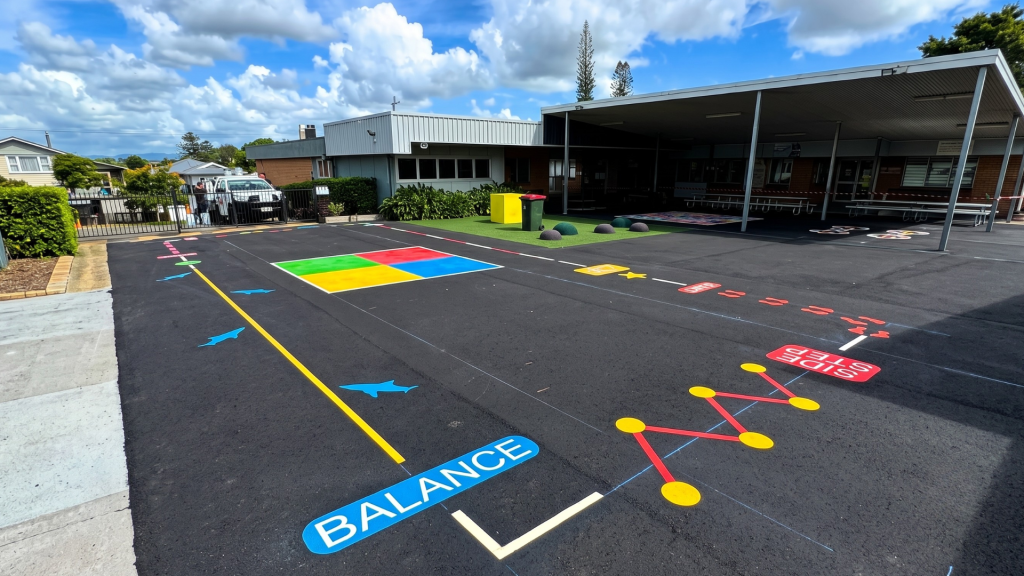
- Playground features such as activity markings, buddy benches, and quiet zones provide low-cost infrastructure that encourages peer interaction and signals inclusion, with EduMarking Director Sally Reiter arguing these are the cheapest belonging infrastructure a school can install.
- EduMarking, which has worked with more than 10,000 schools worldwide, installs heat-applied thermoplastic playground markings rated to last seven years or more, with most jobs completed within one to three days during school holidays.
- The company's position is that schools investing heavily in classroom wellbeing programmes whilst leaving yards as bare asphalt are undermining their own efforts, as the physical environment directly shapes the social experiences that research identifies as protective against chronic absence.
MELBOURNE, Australia, 16 September 2026. EduMarking, a national supplier of playground and outdoor services to Australian schools, says the national conversation about school attendance and student belonging is focused on what happens inside classrooms, while the physical spaces where belonging is most directly built, school playgrounds, are being overlooked as an intervention point.
The scale of the problem is documented and recent. The Grattan's 2025 policy brief found that on any given school day, 11% of Australian students who should be in class are not, with national attendance falling from 91.3% to 85.7% in six years. The OECD's 2026 report Every Day Counts identified supportive school climates, strong belonging, and stable peer networks as protective factors against chronic absence. PISA data shows student belonging in Australian schools has been declining since 2003.
Nobody in the attendance policy debate is connecting belonging to the physical yard. The research on recess tells a consistent story: unstructured social time, peer interaction, and play are where belonging is actually built for most children. A 2025 study published in Early Childhood Education Journal found recess fosters the social skills and peer relationships that are fundamental to school belonging, yet some schools have reduced recess time in favour of structured academic activity. On bare, unmarked asphalt, that time produces less social engagement than it could. ABS data shows children spend 46.6% of break time sedentary on unmarked hard surfaces.
"Belonging is not built in assembly. It is built at lunchtime, on the yard, through the games and routines that children develop with each other. A well-designed playground gives children the structure to start those interactions: a game marking creates a reason to gather, a buddy bench gives a visible signal about who needs company, a quiet zone tells a child that the yard is for them too. These are not expensive interventions. They are the cheapest belonging infrastructure a school can install," said Sally Reiter, Director of EduMarking.
EduMarking installs playground line marking across primary and secondary schools nationally, including activity zone markings, buddy benches, friendship seats, and quiet zone designations. Heat-applied thermoplastic markings are rated to last seven years or more under daily school use and carry a five-year product warranty. Most installations are completed in one to three days during school holiday windows. The company has worked with more than 10,000 schools worldwide.
The argument EduMarking is making is not that playground markings solve the attendance crisis. It is that the physical environment shapes the social experience of the yard, and the social experience of the yard is one of the most direct levers available for building the peer connections the research identifies as protective. Schools spending heavily on well-being programs inside the classroom while leaving the yard as bare asphalt are working against themselves.
About us:
About EduMarking
EduMarking supplies playground and outdoor services to schools nationally, spanning thermoplastic line marking, concrete resurfacing, outdoor seating and shade structures, outdoor musical instruments, and playground maintenance. The company has worked with more than 10,000 schools worldwide.
Contact details:
EduMarking
Peter Cayetuna
Sr Seo Specialist
1300 009 111