
- An estimated 22,000 children have been affected by devastating floods in Nepal, with learning disrupted for 9,800 children across 32 schools, though some are beginning to return one month on.
- Many children continue to suffer psychological trauma, with families reporting that children panic and cry at any mention of further flooding.
- World Vision has so far reached more than 8,600 people, including 3,521 children and 258 people with disabilities, with emergency food, shelter, clean water, hygiene supplies and child protection support.
- The response includes child-friendly spaces and dedicated women and girls' spaces to provide safety, support and protection for those most vulnerable during displacement and recovery.
- A $1 million contribution from the Australian Government is supporting the response, with the focus increasingly shifting towards rebuilding livelihoods, restoring essential services and strengthening protection for children, women and girls.
Children are starting to return to school one month after devastating floods tore through Nepal, but thousands still continue to face displacement, trauma and a recovery expected to take months and years.
An estimated 22,000 children have been affected by the disaster, with learning disrupted for 9,800 children across 32 schools in the worst-hit areas.
One month on, there are signs of recovery, with children beginning to return to school. But for many families, the impacts of the disaster continue to be felt.
Alongside emergency food, shelter, clean water and sanitation, World Vision’s response is increasingly focused on helping children and families recover and rebuild their lives.
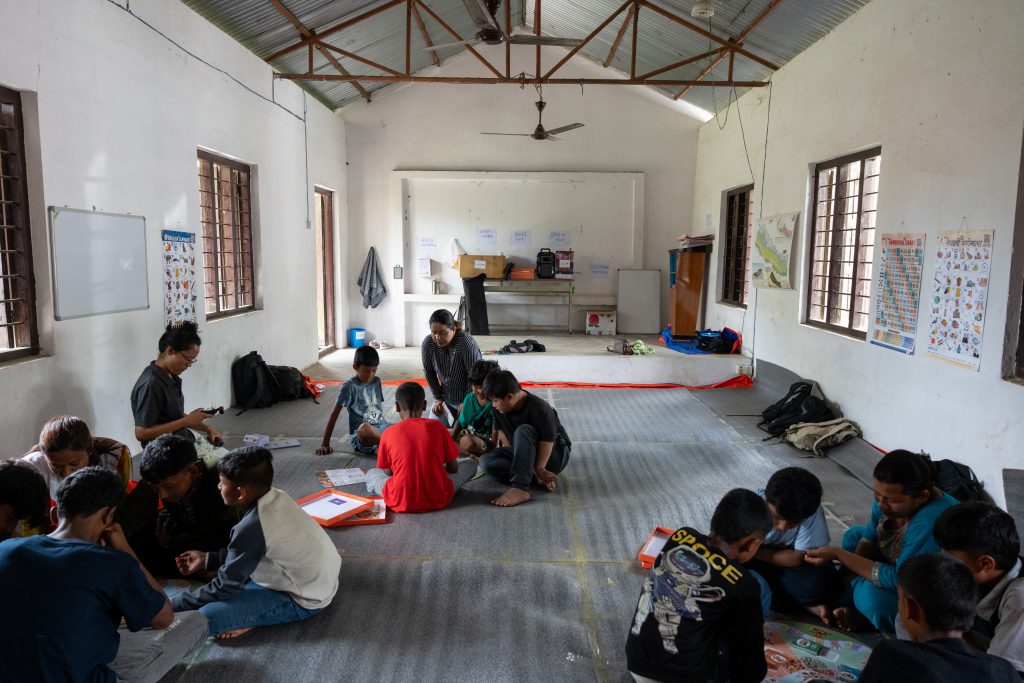
This includes child-friendly spaces where children can safely play, learn and begin to recover from the trauma of the disaster, alongside dedicated women and girls’ spaces designed to provide safety, support and protection for those who can be particularly vulnerable in the aftermath of disasters and displacement.
Roslyn Gabriel, National Director, World Vision Nepal, said seeing children return to school was an important sign of progress, but recovery was only beginning.
“Seeing children beginning to return to school is incredibly encouraging. It’s an important step towards restoring the routine and sense of normality they need.
“But one month on, thousands of children are still facing a very different reality to the one they knew before the floods. They are trying to make sense of what they have lost - their homes, their schools and, in some cases, their loved ones.
“At this critical stage, children need more than food and shelter. They need safe spaces to recover, clean water and sanitation, protection from the risks that come with displacement, and continued support as families and communities rebuild.”
For families forced from their homes, the psychological impact remains very real.
Smita,a grandmother sheltering with her family in Nuwakot, said her grandchildren still panic when they hear warnings about flooding.
“Even today, whenever there are safety announcements on floods, the children panic and prepare to run,” she said.
“The children cry and beg us to leave. Their minds are completely consumed by that fear.”
World Vision has so far reached more than 8,600 people, including 3,521 children and 258 people with disabilities, with emergency food, shelter, clean water, hygiene supplies and child protection support.
The response is being supported by $1 million in Australian Government funding through the Australian Humanitarian Partnership, helping communities move from immediate relief towards recovery.
As that recovery continues, the focus will increasingly shift to helping families rebuild their livelihoods, getting children safely back to school, restoring essential services and strengthening protection for children, women and girls.
Ms Gabriel said ensuring the most vulnerable are protected will be critical in the months ahead.
“Disasters don’t affect everyone equally.
"Children, and particularly girls, can face increased risks when families are displaced and normal support systems are disrupted.
"Creating safe spaces for children, women and girls is therefore a critical part of recovery.”
-ENDS-
About us:
World Vision is a Christian humanitarian and development organisation dedicated to working with children, families and their communities to reach their full potential by tackling the root causes of poverty and injustice. World Vision and their partners are working in communities to improve families’ economic prospects, strengthen violence prevention and child protection services, and improve education systems. World Vision serves all people, regardless of religion, race, ethnicity or gender.
Contact details:
Claire McIlroy
[email protected]
0422 925 100