UNSW bioengineers are developing new ways to help the body repair itself, from silk threads strong enough to rebuild damaged hearts to tiny organs grown from human cells in the lab.
Can we help the body rebuild what it has lost? A new UNSW feature explores how researchers are developing new approaches in regenerative medicine.
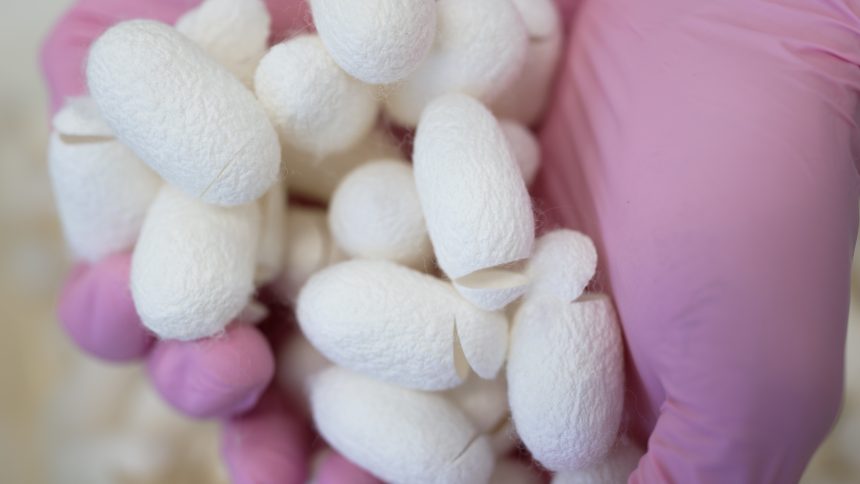
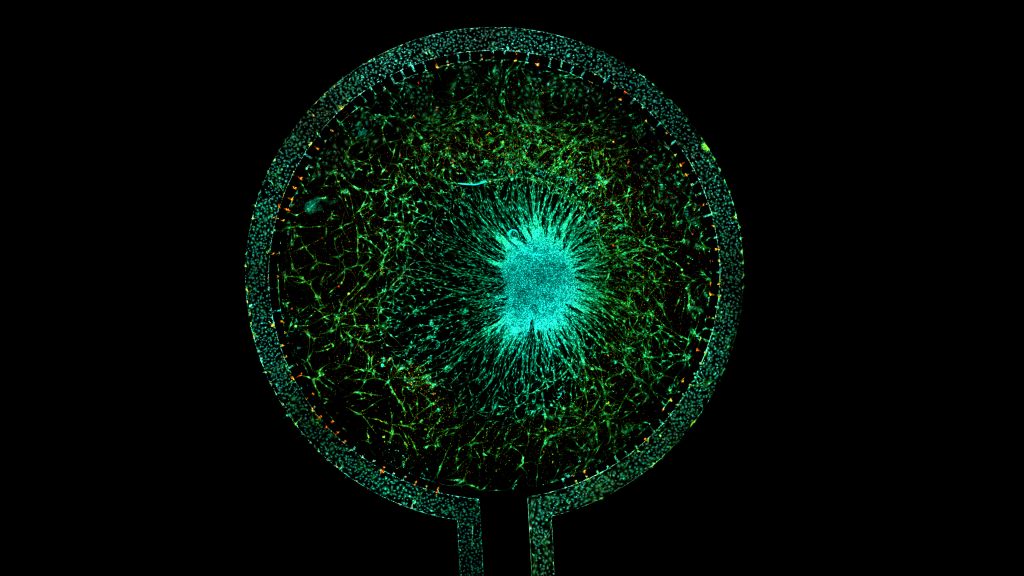
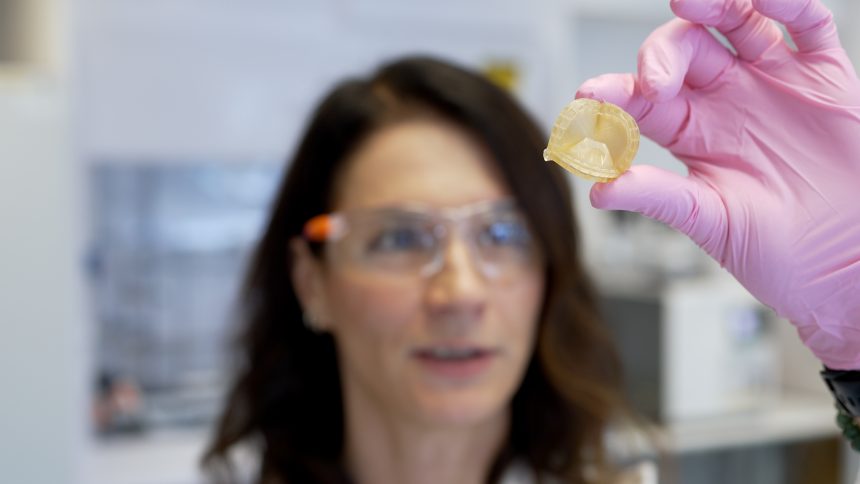
The story looks at silk-based structures for cardiovascular repair, designed to support new tissue as the silk gradually dissolves. It also explores how organoids are built, as well as small tissue systems from human cells, with the aim of creating more realistic ways to study disease and develop treatments.
“Rearing silkworms for research is one thing. Rearing them for a medical device is a whole different thing, because you must do it under specific conditions, and show that it's reproducible.”—Professor Jelena Rnjak-Kovacina.
“This could be miniature organoids – a mini heart or a mini brain, smaller than a grain of rice – grown in the lab from human cells."—Professor Kris Kilian.
Because more work is needed to show the approaches are safe and effective, these are not treatments currently available to patients.
Image and video assets are available, including footage of the researchers and their work.
- The feature is here: https://www.unsw.edu.au/newsroom/news/2026/10/knitting-silky-hearts-and-growing-tiny-organs-unsw-scientists-teach-the-body-to-heal
- Video on regenerating the heart with silk: https://www.youtube.com/watch?v=Of5TEreSXC0
- Video on growing tiny organs in the lab: https://www.youtube.com/watch?v=C3I-WYG-zwg
Contact details:
Melissa Lyne, UNSW news & content