
Skip to content
Environment

REGIONAL WASTE SOLUTIONS ON THE TABLE

NSW Environment Protection Authority (EPA) 2 mins read

Councils, communities and waste industry leaders are being called to provide feedback on a new plan to increase recycling and address landfill capacity constraints in regional NSW.

The NSW Environment Protection Authority (EPA) has released a draft of Chapter 2 of the Waste and Circular Infrastructure Plan for public feedback over a six-week consultation.

The Plan is the first policy document of its kind in the state’s history and is designed to address the unique waste management challenges facing NSW as it grows.

EPA Executive Director of Policy, Programs and Finance Asela Atapattu said the second chapter of the statewide plan is focused on shaping solutions to our most pressing regional waste problems.

“The Waste and Circular Infrastructure Plan is about ensuring that people right across NSW can effectively participate in a thriving circular economy – no matter your postcode,” Mr Atapattu said.

“It sets out how the NSW Government will support strategic planning for regional infrastructure needs to make sure waste and recycled materials are managed effectively and safely.

“While we know many regional councils do an excellent job in providing waste and recycling services, there are some areas where waste generation is outpacing strategic planning processes for local infrastructure.

“We’re calling on key stakeholders including regional councils, industry and community members to have their say on the Plan and help us design a better path forward for NSW.”

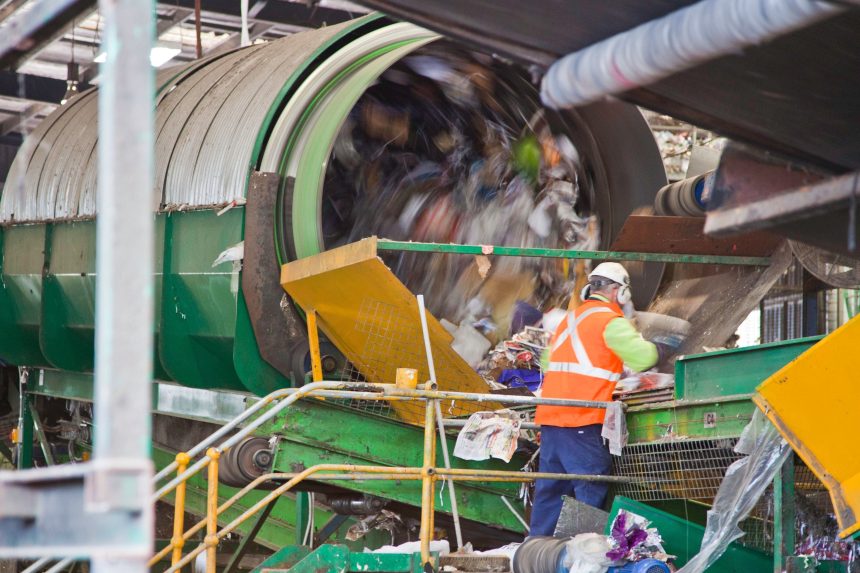
The draft Chapter covers key issues in regional NSW including underinvestment in waste infrastructure, capacity shortages and high costs to transport and recycle materials.

It proposes several actions to address current and emerging waste challenges including developing regional plans, improving data collection, and streamlining planning processes.

People are invited to have their say on Chapter 2 until Monday 30 November 2026.

To take the survey or provide a written submission, go to: https://yoursay.epa.nsw.gov.au/draft-nsw-waste-and-circular-infrastructure-plan-chapter-2


Contact details:

[email protected]

Media

More from this category

  • Environment, Science
  • 19/10/2026
  • 09:28
Australian Museum

Researchers race to save Norfolk Island’s rare hairy snail

Interviews and images available here. ‘Hairy’ snail breeding program to bring it back from the brink The Norfolk Island hairy snail. Credit: Isabel Hyman 19 October 2026 Sydney A team of experts is racing to save Norfolk Island’s hairy snail from extinction, kickstarting an emergency breeding program to save the unique species. Fanulena imitatrix, or the Norfolk Island hairy snail, is only found on one small reserve on the island. The unusual species has a fine hair-like covering on its shell and adult snails are roughly the size of the nail on a pinky finger. Australian Museum Malacologist (snail expert)…

  • Environment
  • 19/10/2026
  • 08:03
Greenpeace Australia Pacific

MEDIA ALERT: PERTH, Monday 8am AWST, Greenpeace petition delivery to Woodside

MEDIA ALERT 8:00am MONDAY 19 OCTOBER 2026, PERTH Greenpeace delivers 47-metre Save Scott Reef petition to Woodside HQ following gas platform protest Greenpeace Australia Pacific will present a 47 metre-long petition outside Woodside HQ, calling on the government to stop Woodside’s Browse project and save Scott Reef. The petition is one of Australia’s biggest environmental petitions with almost 500,000 signatures. On the sidelines of the Perth Global Citizen Now event, it comes following a major two day-long protest at Woodside’s Scarborough gas platform. The activists were taken from the platform by police helicopter on Sunday afternoon. Media are invited to…

  • Environment, Science
  • 19/10/2026
  • 08:00
Monash University

During El Niño, a perfect storm of weather systems could spell disaster for the Great Barrier Reef

The strong El Niño currently underway in the Pacific Ocean raises the spectre of marine heatwaves and coral bleaching once again threatening Australia’s iconic Great Barrier Reef. And now new research has revealed the complex interplay of atmospheric patterns and weather systems thousands of kilometres apart that can combine in a recipe potentially fatal for coral reefs. Sea-surface temperatures in the Coral Sea off northern Queensland often increase during periods known as the ‘doldrums’, characterised by weak winds, reduced cloud cover and dry, descending air. These conditions are unusual for the humid tropics, where we would typically expect plenty of…

Media Outreach made fast, easy, simple.

Feature your press release on Medianet's News Hub every time you distribute with Medianet. Pay per release or save with a subscription.